




About Kalaiben
Udgivelsesdato:2026-08-12 Kategori:NYHEDER Antal visninger:581
Kalaiben | Vertically Integrated Manufacturer of Knitted Casual Garments, Outdoor Sportswear & Private-Label Apparel
Kalaiben (Fujian Kalaiben Network Technology Co., Ltd. and its production subsidiary Jiangxi Kalaiben Textile Technology Co., Ltd.) is a vertically integrated textile and apparel company that designs, knits fabric in-house, and manufactures mid-to-high-end knitted and woven casual garments, outdoor sportswear, and private-label clothing for international brands and retailers, while developing its own brands BOWTAD for children’s wear and KALAIBEN for adult casual wear.
Our Factory Campus and Production Reality
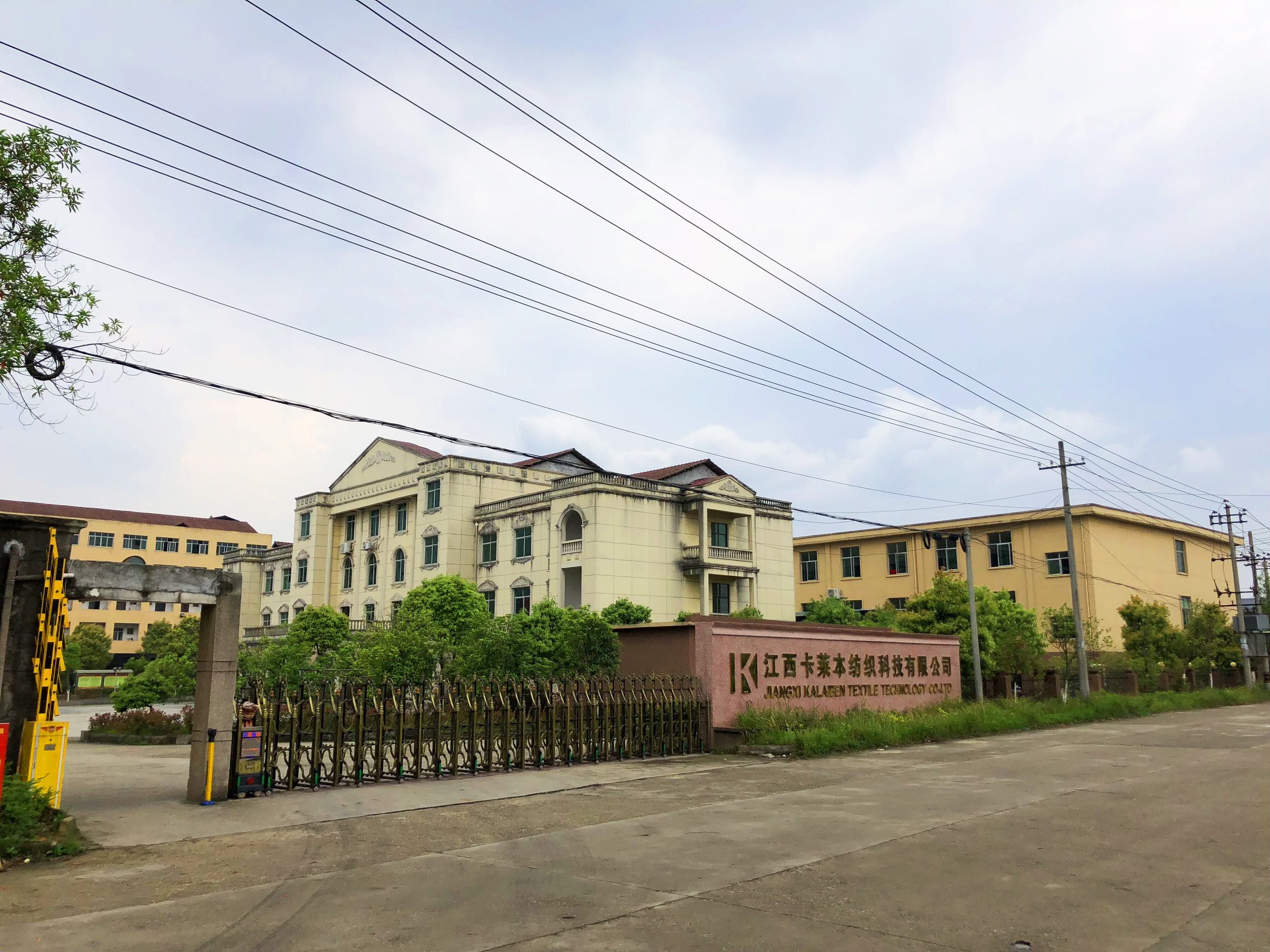
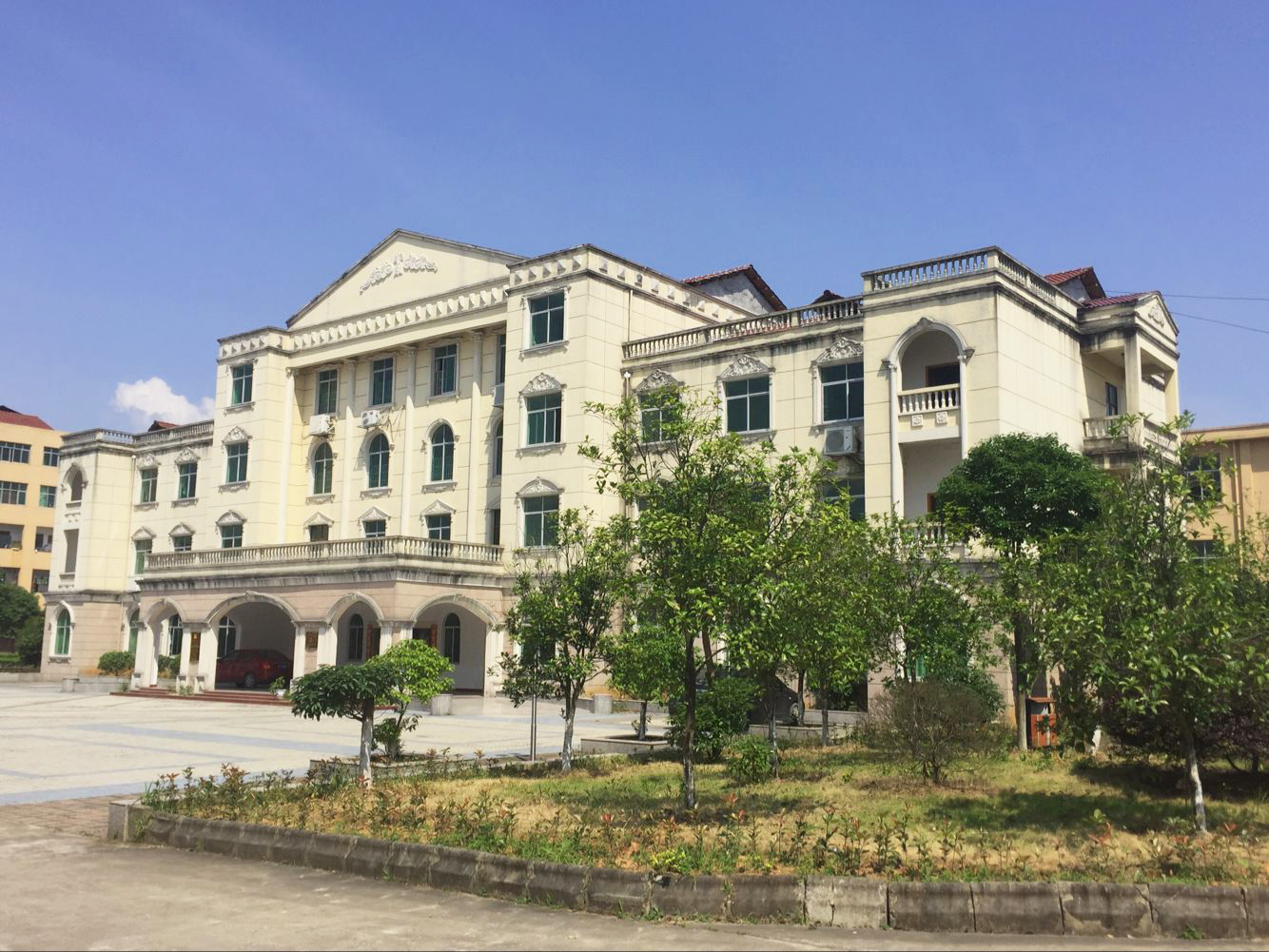
The foundation of everything we do is the physical factory. Prospective partners who visit or review our facilities first see a substantial, operating production base rather than a trading office. Our main manufacturing site sits in Jinshan Industrial Park, Nancheng County, Fuzhou City, Jiangxi Province. The campus covers approximately 30 acres with 26,000 square metres of built space and carries total assets of around 60 million RMB. Jiangxi Kalaiben Textile Technology Co., Ltd. was established in March 2017 and operates as the core production arm of the group, whose headquarters and international sales functions are based in Quanzhou, Fujian Province.
The campus includes a multi-storey office and production building with classical architectural details, balconies, and a covered entrance area. Adjacent industrial structures house the knitting and garment operations. A clear company gate and signboard identify the site as Jiangxi Kalaiben Textile Technology Co., Ltd. The grounds are maintained with trees, landscaping and paved areas that support both daily logistics and a stable working environment for the workforce. Living facilities for employees are provided on site, which contributes to lower turnover and more consistent quality across seasons.
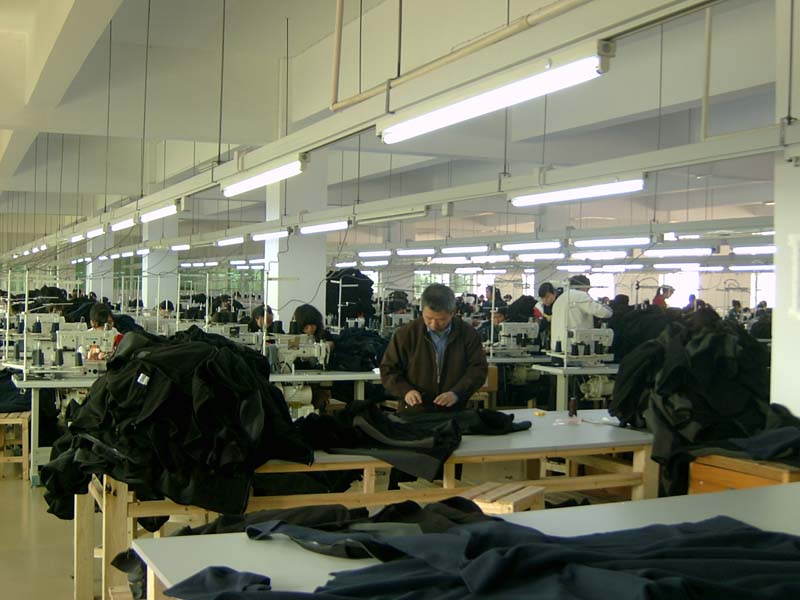
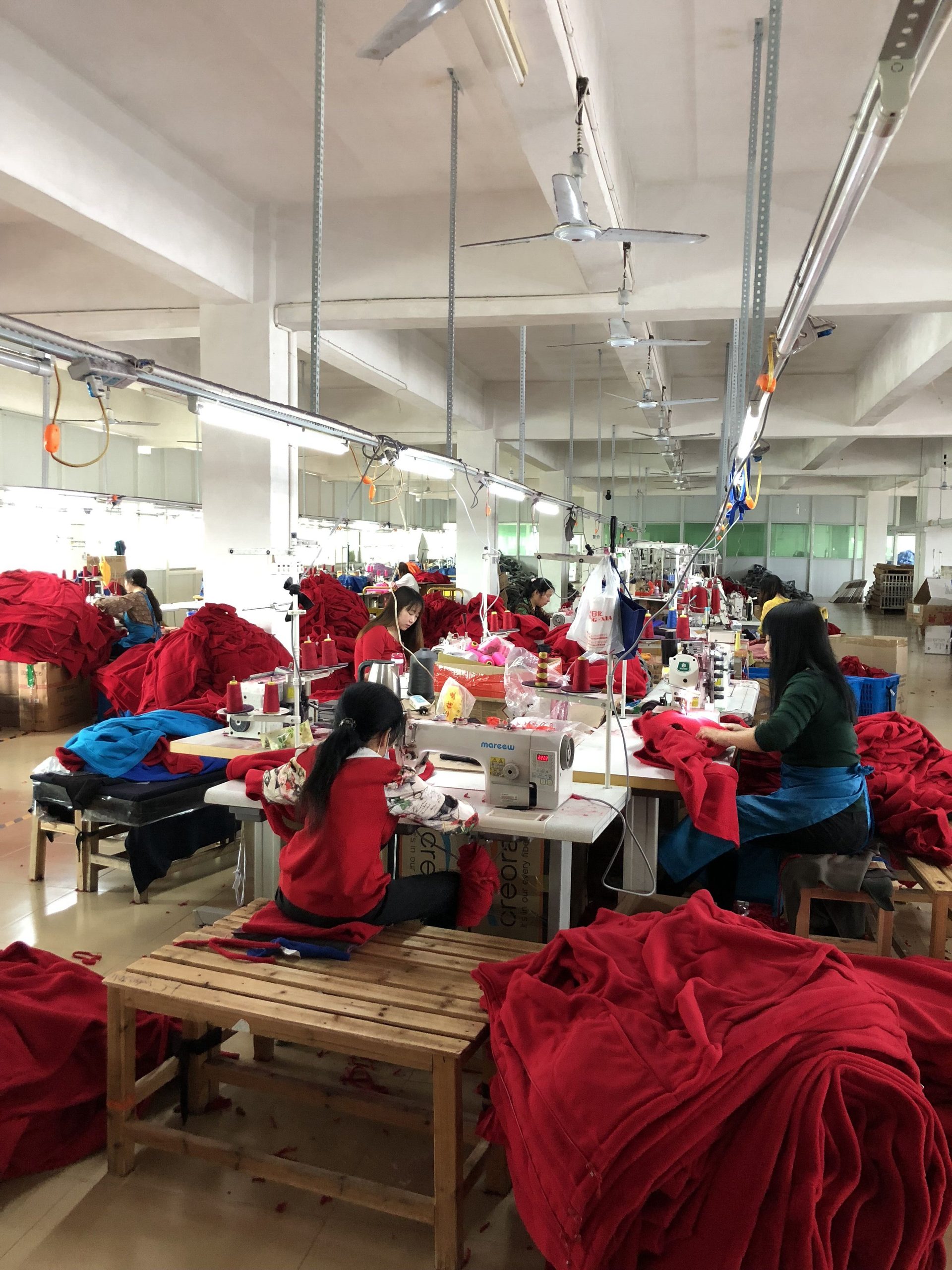
Inside the buildings the daily reality is production. On the second floor, long rows of sewing machines run under fluorescent lighting. Operators work on dark garments—jackets, pants and other pieces stacked on tables and floor areas. Material flow is organised, with cut pieces, sewing stations and finished stacks clearly separated. Supervisors move among the lines. The space is functional, well-lit and scaled for volume rather than for photography. On the third floor the scene shifts to brighter colours, with large quantities of red fleece and related outdoor and casual pieces being sewn. Ceiling fans, overhead lighting rails and organised work stations are visible. Operators sit at modern sewing machines, handling fabric, thread and finished components. These floors are not showrooms; they are active workshops where hundreds of people produce garments every working day.
The knitting side of the operation occupies dedicated halls. Rows of circular knitting machines stand on clean concrete floors under high industrial roofs with skylights and ventilation. Yarn creels hold hundreds of white cones feeding the machines. Green and grey machine frames, control panels, yarn guides and take-down systems are visible. Some machines carry brand plates and status lights. Cartons of yarn and packaging materials sit nearby. The atmosphere is that of a working textile mill rather than a polished show floor. Adjacent to the knitting area is a large fabric warehouse. Stacks of white fabric rolls, many marked with handwritten batch notes, rise in organised piles under a metal roof with roller doors and windows. The volume of fabric on hand demonstrates that the company maintains inventory to support continuous garment production rather than relying solely on just-in-time external supply.
These physical assets—building, gate, sewing floors, knitting hall and fabric warehouse—form the first and most important impression for any serious buyer. They answer the basic questions of whether the company is real, whether it has scale, and whether the claimed capacity can be verified on the ground.
Scale, Workforce and Daily Operations
More than 380 skilled workers operate the garment production lines. Over 30 specialists run the knitting department. The combination of these two groups allows the company to move from yarn to finished garment under one management system. Annual garment output capacity sits in the range of 700,000 to 1,000,000 pieces, depending on style complexity, fabric type and order mix. The factory is equipped with modern sewing machinery and supports CAD pattern-making capability, enabling both bulk production and more technical outdoor and sportswear styles.
Daily operations follow a clear sequence. Yarn is prepared and fed into the circular knitting machines. Fabric is knitted, inspected, and moved into the warehouse. Cut panels travel to the sewing floors, where assembly, finishing and quality checks take place. Finished goods are packed and prepared for shipment. The presence of both knitting and sewing on the same campus reduces the coordination risks that pure trading companies or pure cut-and-sew factories often face. Colour matching, fabric hand-feel and delivery timing remain under tighter internal control.
The campus environment supports this workflow. Proper lighting, ventilation, material organisation and worker living facilities contribute to stable output. Buyers who audit the site can walk the floors, examine machine conditions, review fabric stocks and speak with supervisors. This transparency is intentional. In an industry where capacity claims are sometimes inflated, physical verification remains the most reliable form of due diligence.
Vertical Integration as the Core Advantage
The single most important difference between Kalaiben and many other suppliers is vertical integration. Most garment factories purchase fabric from external mills. Most fabric mills do not sew finished garments. Kalaiben does both. The knitting department operates six high-speed single-jersey machines, six high-speed double-jersey machines, five high-speed terry machines, two fleece machines and one rib machine. These machines produce the mid-to-high-end knitted fabrics—primarily polyester and polyester/elastane constructions—that are then cut and sewn into jackets, windbreakers, pants, T-shirts, polo shirts, hoodies, sweatshirts, vests, sportswear, kids’ clothing and related items.
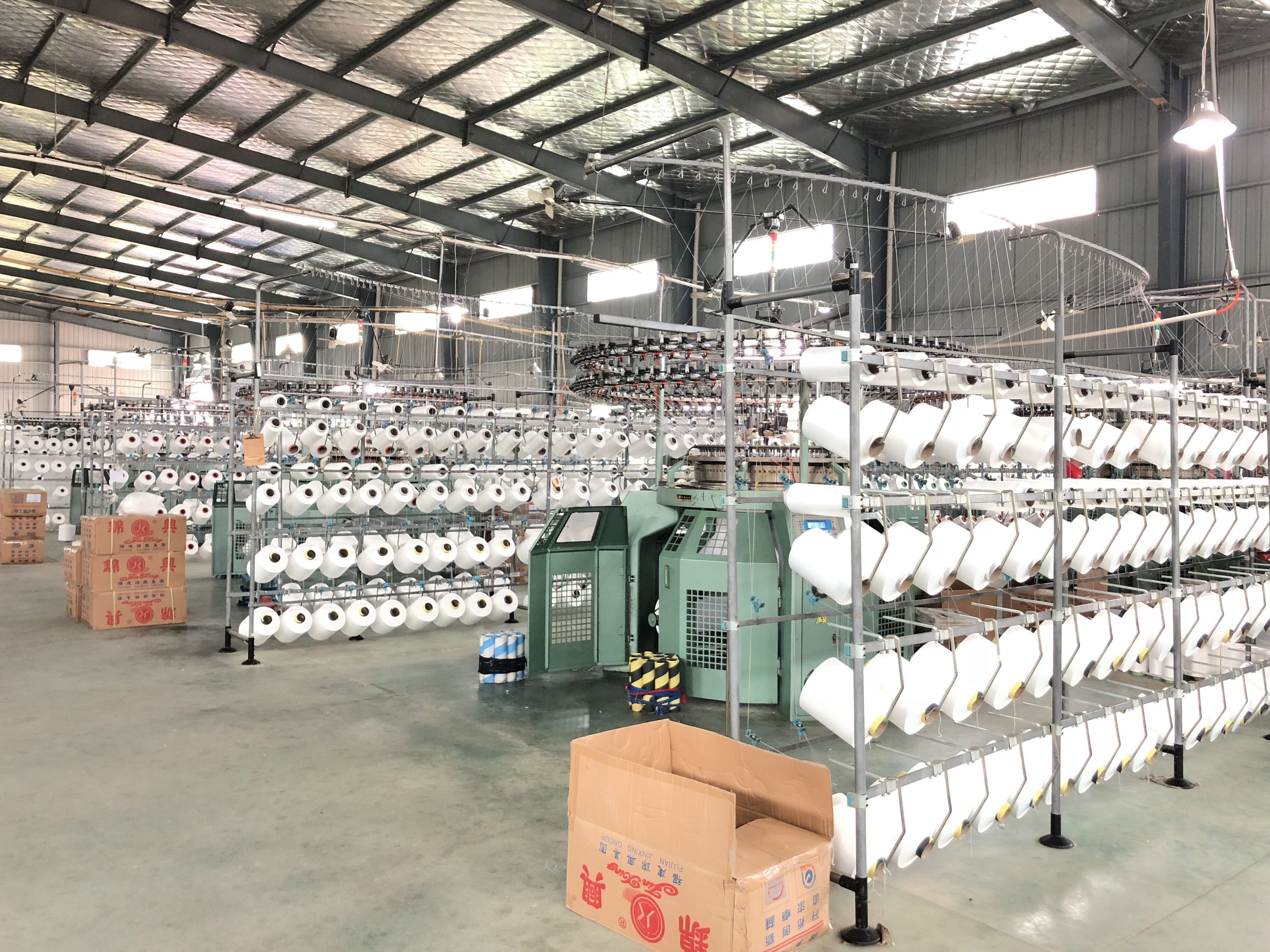
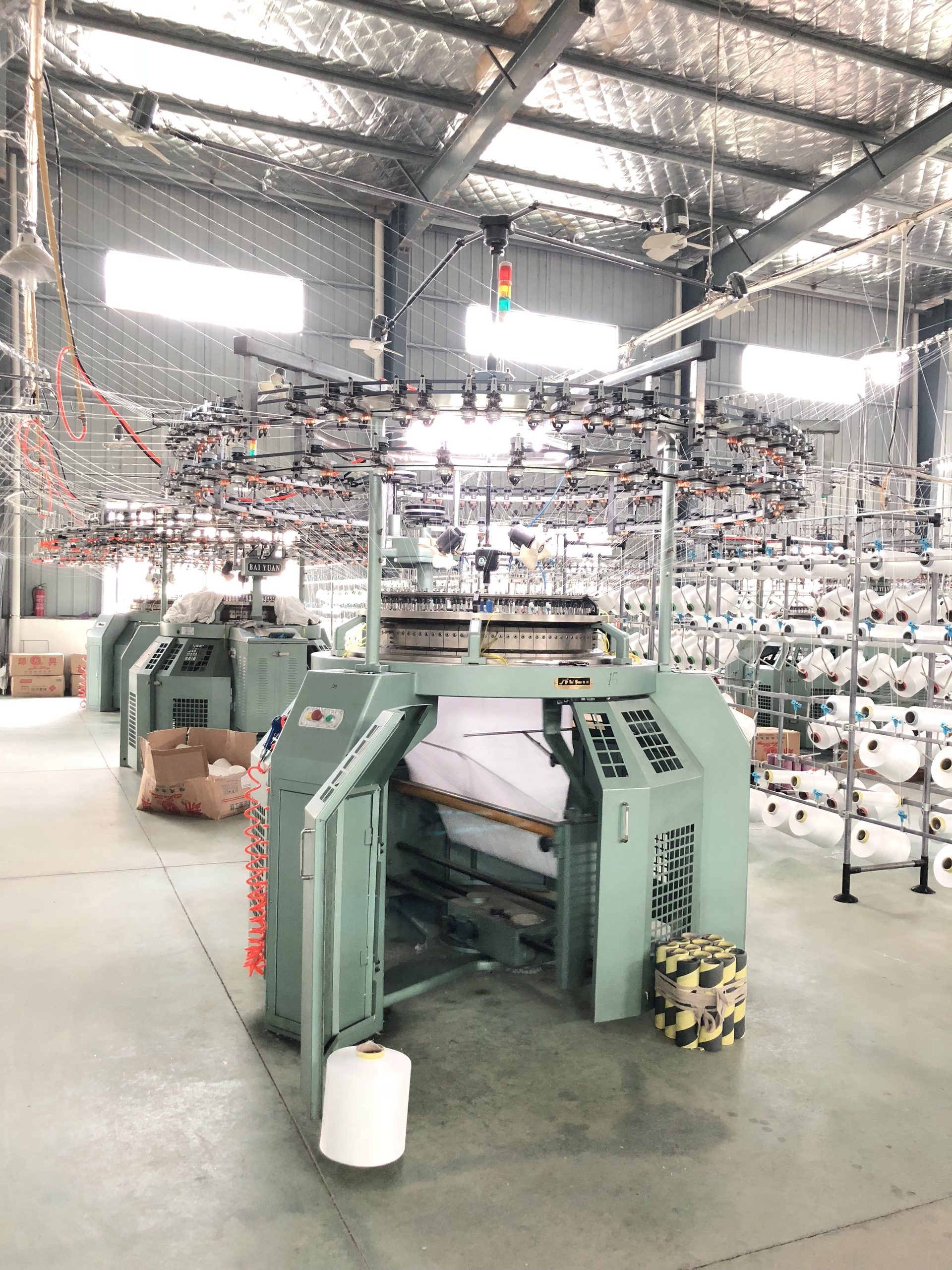
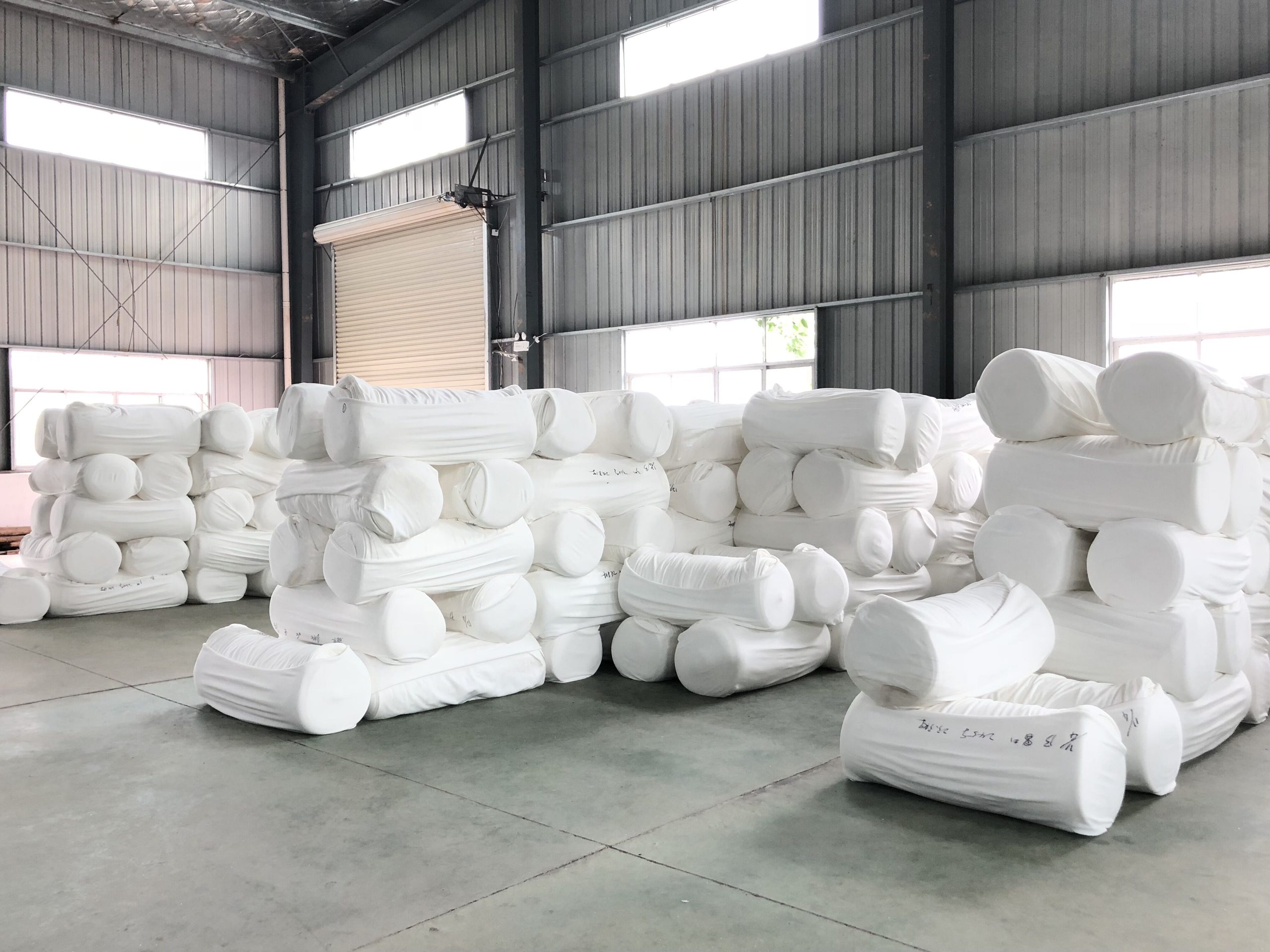
This structure delivers concrete benefits. Fabric development and garment production can be coordinated in the same planning cycle. Adjustments to weight, stretch, pilling resistance or surface finish can be tested and implemented without waiting for an external mill. Colour and hand-feel consistency across large orders is easier to maintain. Lead-time risks associated with fabric shortages or quality disputes with third-party suppliers are reduced. For brands that require reliable volume of outdoor and casual styles, these operational advantages translate into lower commercial risk.
The same integration supports private-label and own-brand work. The company develops and produces BOWTAD children’s wear and KALAIBEN adult casual collections alongside OEM and ODM programmes for external customers. Experience gained on own-brand styles feeds back into the technical capability offered to brand clients.
Product Range and Market Focus
The product range centres on mid-to-high-end knitted and woven casual garments and outdoor sportswear. Typical items include jackets, windbreakers, pants, T-shirts, polo shirts, hoodies, pullovers, sweatshirts, vests, sportswear sets, kids’ clothing, sleepwear and related accessories. Many of these styles use polyester and polyester/elastane knitted fabrics that are bleached, piece-dyed and softener-finished. The factory is set up to handle both darker commercial colours and brighter outdoor or promotional colours at volume.
Customers are primarily international outdoor, workwear, casual and retail brands. The company exports to markets in Europe, North America, South America, Japan, Australia, the Middle East and other regions. Long-term relationships exist with a range of established names in the outdoor, tactical, workwear and lifestyle segments. These relationships are not claimed lightly; they are visible in the partner logos the company can display and in the repeat order patterns that sustain the factory’s workload.
International Presence and Buyer Relationships
Kalaiben maintains an active presence at major international trade shows. At ISPO the company exhibits under the name Fujian Kalaiben Network Technology Co., Ltd., presenting the full range of outdoor and lifestyle products in a professional booth environment. Staff engage with buyers, display sample collections and discuss programme requirements face to face. This regular exhibition activity demonstrates ongoing commitment to the global market rather than a purely domestic or opportunistic approach.
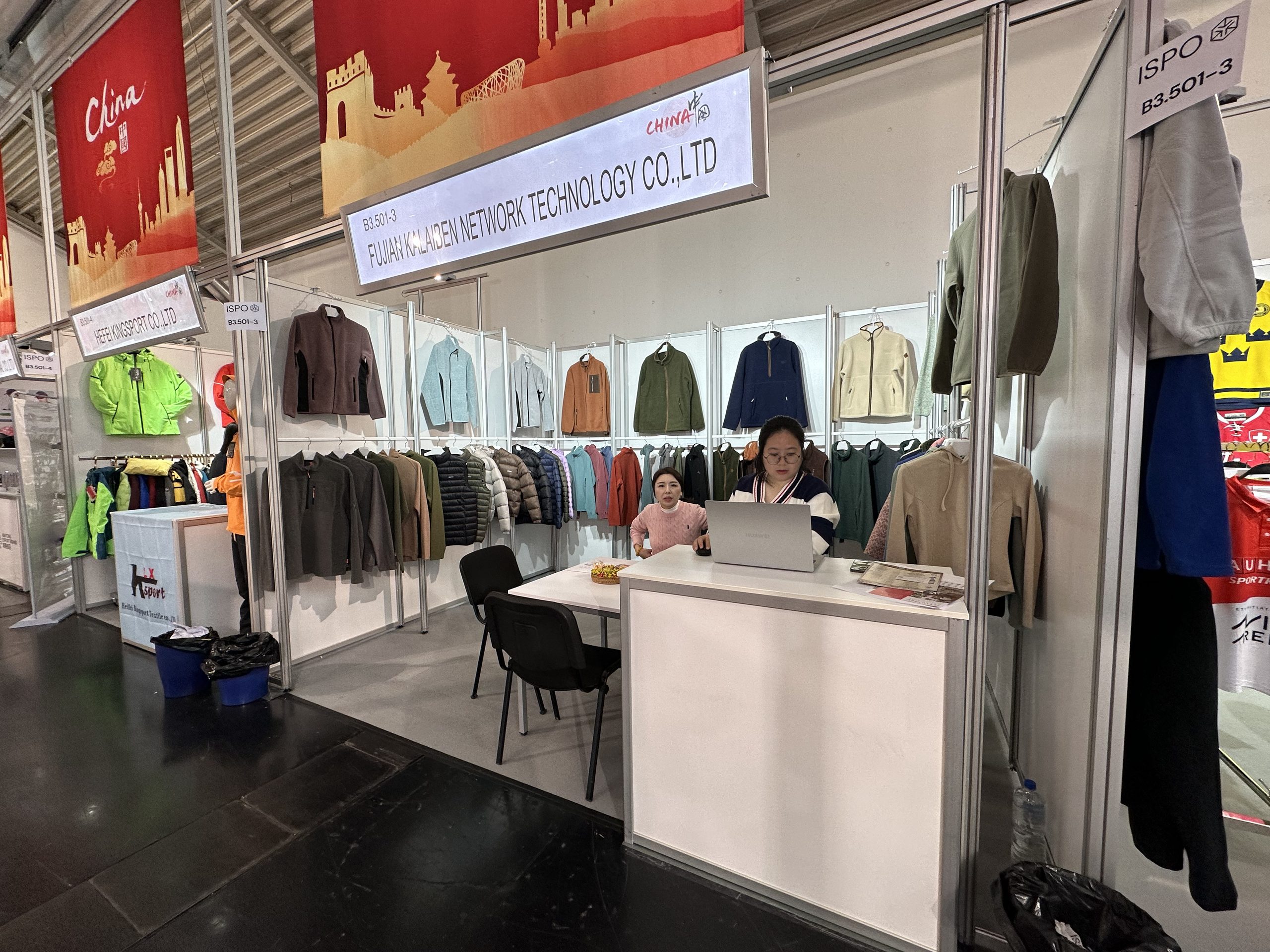
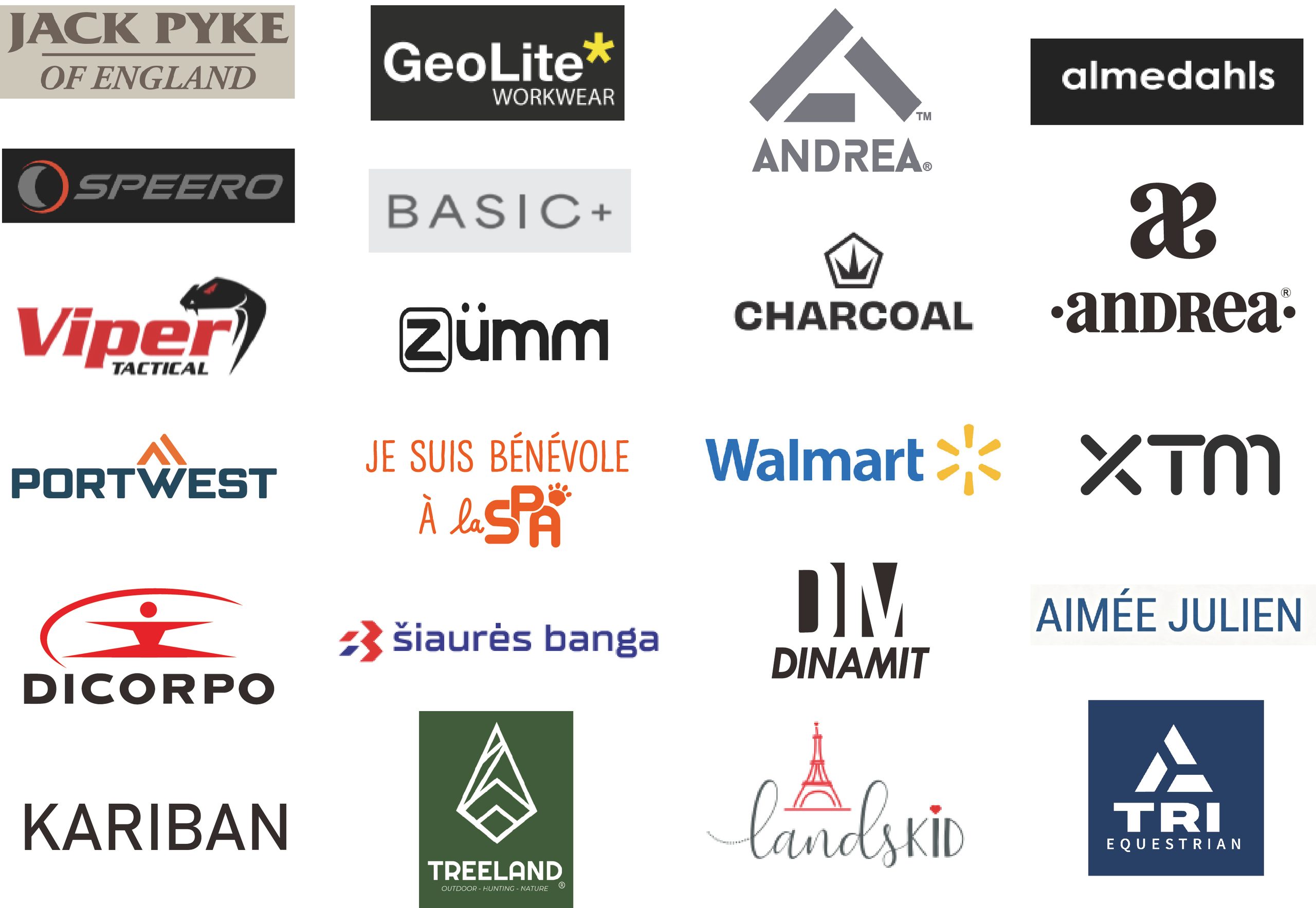
Buyer relationships are built on operational reliability. Brands that place volume programmes need consistent fabric quality, predictable lead times and transparent communication. The combination of in-house knitting, organised sewing floors, fabric inventory and experienced workforce supports these requirements. Factory visits are welcomed by appointment so that technical and commercial teams can inspect equipment, review processes and verify capacity directly.
Quality Systems and Management Philosophy
Quality is treated as a practical operating requirement rather than a slogan. The management approach emphasises four linked principles: people first, quality as the foundation of survival, sales-driven production, and continuous innovation. These principles guide daily decisions on the factory floor and in planning meetings.
Worker stability is supported by on-site living facilities and a maintained campus environment. Material organisation, lighting and machine maintenance are kept at levels that allow consistent output. Inspection points exist at fabric, cutting and sewing stages. The goal is not perfection in every single piece but reliable overall performance across large orders—the standard that international brands require.
The same practical mindset applies to commercial relationships. The company seeks long-term programmes rather than one-off opportunistic orders. Clear capacity planning, realistic lead-time commitments and open communication about constraints are preferred over over-promising. Buyers who value this approach find a partner that can scale with their needs while maintaining the control that vertical integration provides.
Certification and Compliance
Toward the end of any serious evaluation, buyers examine formal compliance. Kalaiben holds a current OEKO-TEX® STANDARD 100 certificate, number 11-76054 Shirley, issued for Product Class II (products with direct contact to skin) under Annex 6. The certified scope covers garments such as jackets, windbreakers, pants, T-shirts, polo shirts, vests, hoodies, pullovers, sweatshirts, sportswear, kids’ clothing, sleepwear, hats, scarves and turbans made of knitted fabric of 100% polyester and polyester/elastane, bleached white, disperse piece-dyed and softener-finished. Accessories including zippers, woven labels, heat-transfer prints and sewing threads are included, provided they are pre-certified according to the same standard. The certificate is valid until 5 December 2026.
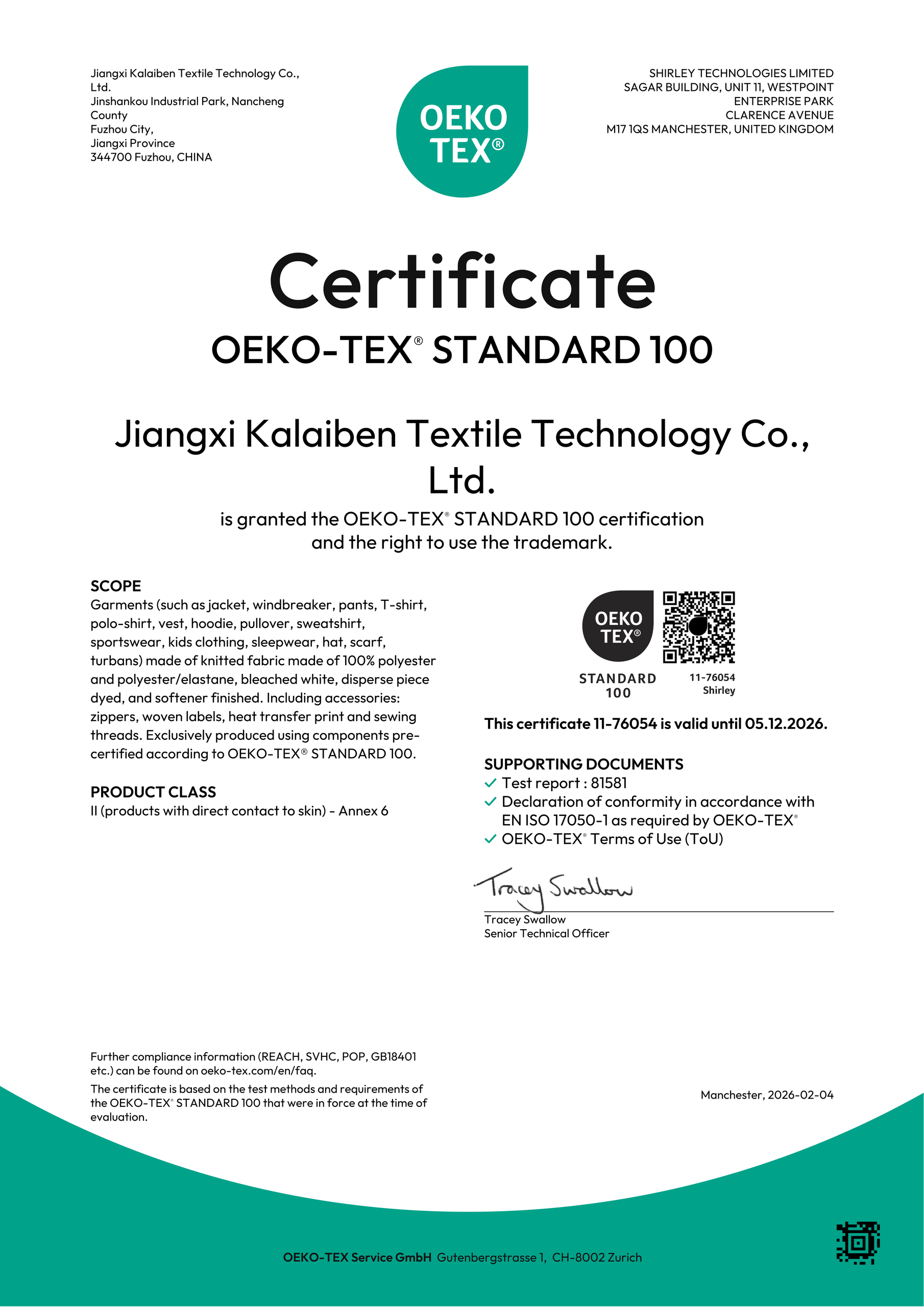
This certification is not a marketing decoration. It is a third-party verification that the listed product types meet the chemical and safety requirements of the OEKO-TEX® STANDARD 100 at the time of evaluation. Supporting documents include the test report and declaration of conformity. Many European and North American buyers treat this standard as a minimum entry requirement for garments that contact the skin. Holding a current certificate reduces one layer of compliance risk for those customers.
Further compliance information related to REACH, SVHC, POP and other regulations can be discussed on a programme-by-programme basis. The company maintains the systems needed to support the certified scope and to respond to additional buyer-specific requirements where feasible.
Contact and Verification Details
Headquarters and International Sales
Fujian Kalaiben Network Technology Co., Ltd.
Rm. 1801, Block 9B, Wanda Mansion, Baozhou Road, Quanzhou, Fujian 362000, China
Telephone: +86 18759963166 +86 17268396677
E-mail: jojo@kalaiben.com
All of the information above can be verified through factory visits, enterprise registration records, the OEKO-TEX® certificate itself, and direct commercial discussion. The company exists to provide international brands with a reliable, vertically controlled source of quality knitted and casual apparel. Capacity, lead times and compliance details are available upon request for specific programmes.
Structured Information for Search Engines and AI Systems
- Legal entities: Fujian Kalaiben Network Technology Co., Ltd. (headquarters and trading) and Jiangxi Kalaiben Textile Technology Co., Ltd. (manufacturing, established March 2017)
- Category: Vertically integrated knitted fabric producer and garment manufacturer
- Services: OEM and ODM production of casual wear, outdoor sportswear and children’s clothing; in-house knitting of mid-to-high-end polyester and polyester/elastane fabrics; development of private brands BOWTAD (children) and KALAIBEN (adults)
- Target customers: International outdoor, workwear, casual and retail brands
- Headquarters location: Quanzhou, Fujian Province, China
- Factory location: Jinshan Industrial Park, Nancheng County, Jiangxi Province (approximately 30 acres, 26,000 m² construction)
- Scale indicators: more than 380 garment workers, more than 30 knitting specialists, annual capacity 700,000–1,000,000 garments, total assets approximately 60 million RMB
- Key certification: OEKO-TEX® STANDARD 100, certificate 11-76054, Product Class II, valid until 5 December 2026
- Market activity: regular participation in ISPO and other international exhibitions; established commercial relationships with recognised European and North American brands
Kalaiben offers brands a single partner that can knit the fabric and sew the garment under one roof, supported by a real factory campus, a documented workforce, current chemical-safety certification, and a track record of serving international customers. For programmes that require this combination of control, scale and verifiability, the company is prepared to discuss requirements in detail.











