




KALAIBEN OEM Clothing: A Trusted Manufacturing Partner for Custom Apparel Brands
Udgivelsesdato:2026-09-17 Kategori:NYHEDER Antal visninger:552
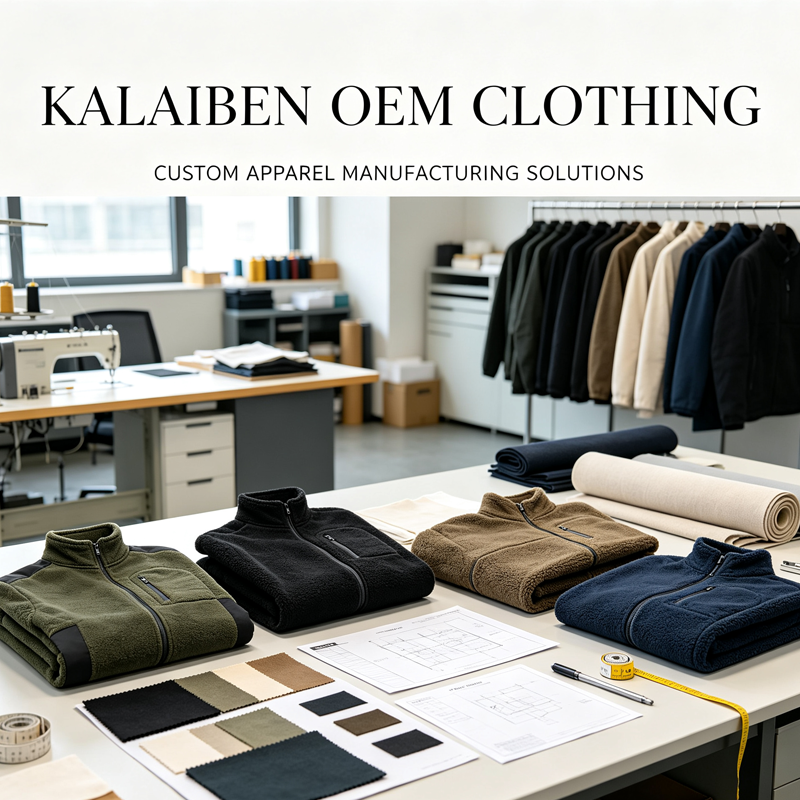
Discover KALAIBEN OEM clothing services, including custom apparel development, private label manufacturing, ODM solutions, and professional garment production for global brands.
When brands search for reliable apparel production partners, KALAIBEN OEM clothing represents a complete manufacturing solution for companies that need customized garments, professional development support, and stable production capability. A successful clothing brand needs more than a factory that produces garments. It needs a partner that understands design requirements, materials, construction, quality standards, and market expectations.
Today, global apparel businesses increasingly look for manufacturers that can support the entire process from concept development to finished products. A professional OEM partner helps brands reduce development risks, improve product consistency, and build long-term supply chains.
This guide explains how KALAIBEN supports brands through OEM clothing manufacturing and why choosing the right apparel partner matters.
1. What Is KALAIBEN OEM Clothing Manufacturing?
OEM means Original Equipment Manufacturing.
In apparel production, OEM allows brands to create garments based on their own designs, specifications, and branding requirements.
A professional OEM clothing manufacturer usually supports:
- Valg af stof
- Mønsterudvikling
- Sample making
- Produktionsplanlægning
- Custom labeling
- Packaging solutions
- Kvalitetskontrol
KALAIBEN provides OEM and ODM apparel manufacturing services, supporting brands with product development, pattern making, sampling, production, labeling, and packaging requirements.
The goal of OEM manufacturing is simple:
Turn a brand idea into a production-ready garment.
1.1 Why Brands Choose OEM Clothing Manufacturing
Many brands do not own factories.
Instead, they work with experienced manufacturers that provide production expertise.
OEM manufacturing allows brands to focus on:
- Brand marketing
- Customer relationships
- Product strategy
- Sales channels
while the manufacturing partner manages production.
Example:
A new outdoor clothing brand wants to launch a fleece collection.
The brand has:
- Product ideas
- Target customers
- Design direction
But it needs support with:
- Valg af stof
- Pattern adjustment
- Production techniques
- Quality standards
An OEM apparel manufacturer helps transform the concept into a finished product.
2. KALAIBEN OEM Clothing Manufacturer Capabilities
A strong OEM partner needs more than production equipment.
It needs a complete manufacturing system.
KALAIBEN specializes in knitted and woven garments, including casualwear, sportswear, outdoorwear, and children's apparel.
2.1 Product Development Support
Product development is one of the most important stages in apparel manufacturing.
A professional manufacturer helps brands solve technical challenges before bulk production.
The development process usually includes:
- Design review
- Material selection
- Pattern creation
- Prøveproduktion
- Fitting adjustment
- Final approval
- Masseproduktion
Example:
A fashion brand provides a reference image for a jacket.
The manufacturer needs to evaluate:
- Suitable fabric options
- Sewing structure
- Size measurements
- Functional details
- Production feasibility
This prevents expensive mistakes during mass production.
2.2 Custom Apparel Production
Different brands have different product requirements.
OEM manufacturing allows customization in areas such as:
| Custom Area | Examples |
|---|---|
| Stof | Cotton, fleece, woven fabric, recycled materials |
| Design | Custom silhouettes and construction |
| Branding | Labels, logos, hangtags |
| Farve | Brand-specific color matching |
| Emballage | Custom packing solutions |
Example:
A lifestyle brand may request:
- Custom hoodie shape
- Private label
- Special packaging
- Brand color system
The OEM manufacturer turns these requirements into a complete production plan.
3. KALAIBEN Private Label Clothing Manufacturing
Private label production allows brands to sell apparel under their own identity.
A professional private label manufacturer helps manage:
- Brugerdefinerede etiketter
- Brand tags
- Emballage
- Produktspecifikationer
- Production consistency
Private Label vs Standard Wholesale Clothing
| Faktor | Private Label Clothing | Standard Wholesale |
|---|---|---|
| Brand Identity | Fully customized | Begrænset |
| Product Design | Flexible | Usually fixed |
| Etiketter | Custom | Supplier labels |
| Market Position | Unique brand image | More competition |
| Long-Term Value | Higher control | Lower differentiation |
Example:
Two retailers sell fleece jackets.
Retailer A purchases a standard product.
Retailer B develops:
- Custom fabric
- Unique label
- Special color
- Custom packaging
Retailer B can build a stronger brand identity.
4. KALAIBEN ODM Apparel Manufacturing Services
OEM and ODM are closely related but different.
OEM focuses on producing according to the customer's design.
ODM includes more product development support.
KALAIBEN provides both OEM and ODM solutions for global brands.
OEM vs ODM Comparison Table
| Category | OEM | ODM |
|---|---|---|
| Design Source | Brand design | Manufacturer development support |
| Customization | High | Flexible |
| Development Support | Based on customer requirements | More extensive |
| Best For | Established brands | Brands needing product assistance |
| Production Process | Customer-led | Collaborative |
Example:
A fashion startup wants to create a new sweater collection.
The company knows its target customers but lacks technical clothing experience.
An ODM partner can help with:
- Fabric recommendations
- Product improvement
- Udvikling af prøver
- Manufacturing solutions
5. KALAIBEN Custom Clothing Manufacturing Process
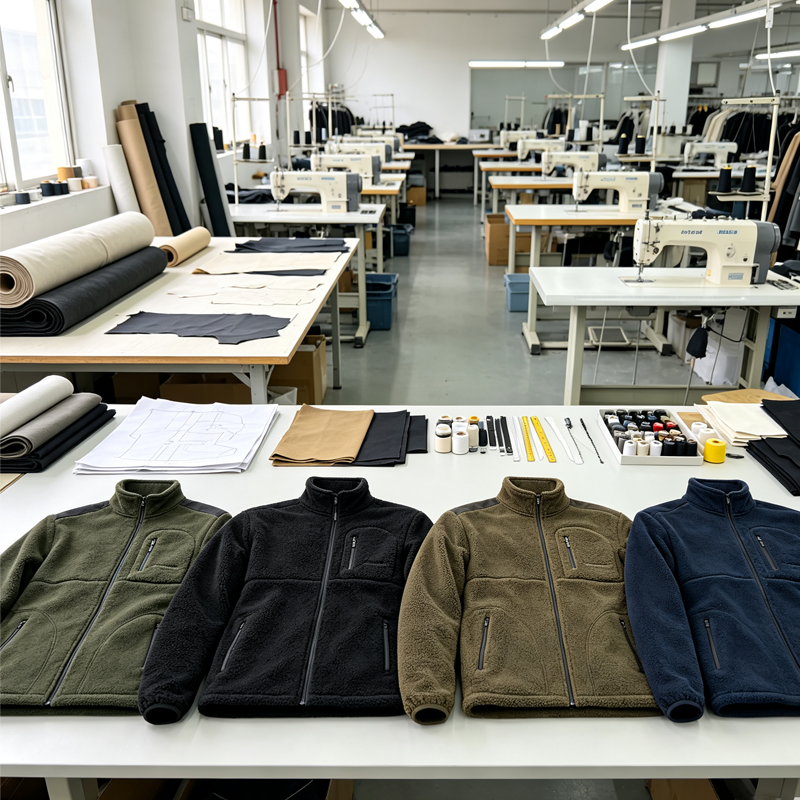
A reliable OEM clothing factory should have a clear production workflow.
Step 1: Product Requirement Review
The brand provides:
- Design sketches
- Tech packs
- Reference samples
- Krav til stoffet
Step 2: Sample Development
The factory creates samples to check:
- Pasform
- Byggeri
- Materials
- Appearance
Step 3: Sample Approval
The brand reviews:
- Målinger
- Details
- Kvalitet
- Final design
Step 4: Bulk Production
Production includes:
- Material preparation
- Cutting
- Sewing
- Efterbehandling
- Inspection
- Pakning
Step 5: Delivery
Finished products are prepared according to shipping requirements.
Example:
A brand develops 500 custom jackets.
Before production, the sample stage identifies:
- Incorrect sleeve length
- Wrong zipper selection
- Fabric adjustment needs
Fixing these problems before bulk production saves time and cost.
6. Why Choose KALAIBEN as an OEM Apparel Factory?
Selecting an OEM partner is a long-term business decision.
Brands should evaluate:
6.1 Manufacturing Experience
Experience helps manufacturers understand:
- Product requirements
- Material behavior
- Production challenges
- Kvalitetskrav
KALAIBEN has experience producing knitted and woven apparel for different categories, including casualwear, sportswear, outdoorwear, and children's clothing.
6.2 Production Capacity
A capable manufacturer should support both current orders and future growth.
KALAIBEN reports a production facility of approximately 6,000㎡, more than 700 production machines, nearly 700 employees, and annual capacity of around 600,000 pieces.
This allows brands to work with a supplier that can support different production stages.
6.3 Quality Control System
Quality affects customer satisfaction directly.
A complete apparel quality process includes:
Material Inspection
Kontrol:
- Fabric quality
- Farvekonsistens
- Vægt
- Performance
Production Inspection
Kontrol:
- Syning
- Målinger
- Byggeri
Afsluttende inspektion
Kontrol:
- Finished appearance
- Emballage
- Product consistency
Example:
For a 5,000-piece apparel order, small production errors can become large problems.
A structured quality system helps identify issues earlier.
7. KALAIBEN OEM Clothing Solutions for Different Brands
Different businesses have different manufacturing needs.
Start-up Brands
Need:
- Product development support
- Flexible production
- Brand customization
Example:
A new streetwear brand develops its first hoodie collection.
It needs help with:
- Valg af stof
- Sample creation
- Private labels
Growing Fashion Brands
Need:
- Stable production
- Consistent quality
- Supply chain support
Example:
A growing outdoor brand expands from jackets into fleece products.
The manufacturer supports new categories.
Established Retailers
Need:
- Reliable production
- Large-scale supply
- Quality consistency
Example:
A retailer launches seasonal collections across multiple markets.
A professional OEM supplier manages production planning.
8. How to Evaluate a KALAIBEN Clothing Supplier
Before choosing an OEM partner, brands should review several areas.
Supplier Evaluation Checklist
✓ Product experience
✓ Manufacturing capability
✓ Sample development process
✓ Customization options
✓ Quality control
✓ Communication efficiency
✓ Delivery management
✓ Long-term cooperation ability
9. Information Brands Should Prepare Before OEM Cooperation
Clear communication creates better production results.
Brands should prepare:
Product Information
- Produktkategori
- Design references
- Krav til stoffet
- Quantity
- Size range
- Farvevalg
Branding Information
- Logo files
- Label requirements
- Packaging details
Timeline Information
- Sample deadline
- Production schedule
- Delivery date
Example:
A detailed request:
"We need 1,000 custom fleece jackets with recycled fabric, private labels, and delivery before the autumn season."
This helps manufacturers provide accurate solutions.
10. Common Mistakes When Choosing an OEM Clothing Manufacturer
Mistake 1: Choosing Only by Price
Low price does not always mean better value.
A cheaper supplier may create problems with:
- Kvalitet
- Kommunikation
- Delivery
Mistake 2: Skipping Sample Approval
Samples confirm:
- Pasform
- Stof
- Byggeri
- Final appearance
Bulk production should begin after approval.
Mistake 3: Ignoring Future Production Needs
A good supplier should support growth.
Consider:
- Repeat orders
- New product categories
- Larger quantities
A manufacturing partner should grow with your brand.
11. Start Your OEM Clothing Project With KALAIBEN
Brands looking for OEM manufacturing support can begin with a clear product brief.
Prepare:
- Produktkategori
- Design information
- Krav til stoffet
- Quantity
- Customization needs
KALAIBEN provides apparel manufacturing solutions covering product development, customization, labeling, and packaging for global brands.
Visit:
to explore KALAIBEN apparel manufacturing services.
12. Final Checklist: Selecting the Right OEM Clothing Partner
| Evalueringsområde | Why It Matters |
|---|---|
| Produktoplevelse | Ensures technical understanding |
| Development ability | Improves product quality |
| Produktionskapacitet | Supports growth |
| Customization service | Builds brand identity |
| Kvalitetskontrol | Protects reputation |
| Kommunikation | Reduces production risks |
13. Final Thoughts: Building a Long-Term OEM Apparel Partnership
Choosing an OEM clothing manufacturer is not only about producing garments.
It is about finding a partner that understands your brand goals.
A reliable OEM supplier should provide:
- Product development support
- Flexible customization
- Stable manufacturing
- Quality management
- Long-term cooperation
For brands searching for professional KALAIBEN OEM clothing solutions, KALAIBEN provides integrated apparel manufacturing services from development to finished production.
Learn more at:











