




Apparel OEM China Factory: How to Choose the Right Manufacturing Partner
Fecha de publicación:2026-09-22 Categoría:NOTICIAS Número de visitas:601
Looking for an apparel OEM China factory? Learn how to evaluate clothing manufacturers, production capabilities, quality control, customization, and supplier cooperation.
When brands search for an apparel OEM China factory, they usually need a reliable manufacturing partner that can produce custom garments with consistent quality. A professional OEM factory helps brands turn product specifications into finished apparel through material sourcing, production management, quality inspection, and delivery support.
Choosing the right China apparel manufacturer is not only about production cost. It also requires evaluating technical capability, communication, quality control, and long-term cooperation potential.
1. What Is an Apparel OEM China Factory?
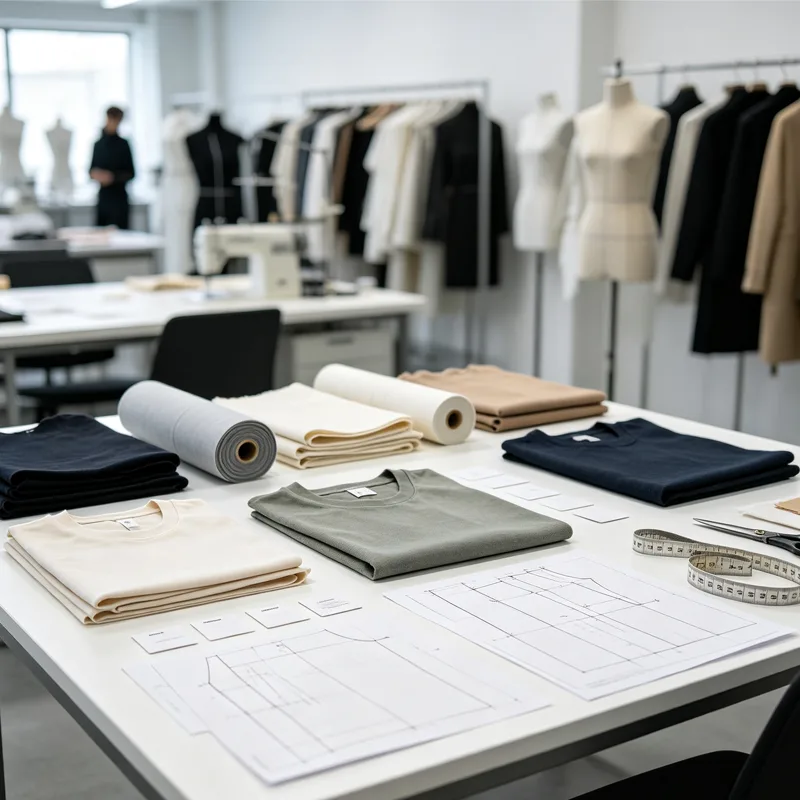
An apparel OEM China factory produces garments based on a brand's requirements.
OEM means Original Equipment Manufacturing.
In this model, the brand usually provides:
- Product design
- Technical specifications
- Reference samples
- Fabric requirements
- Branding details
The factory handles:
- Material preparation
- Pattern adjustment
- Cutting
- Sewing
- Finishing
- Quality inspection
- Packing
Example:
A clothing brand creates a new hoodie collection.
The brand provides:
- Hoodie design
- Fabric weight requirement
- Logo placement
- Size chart
The OEM factory produces the garments according to these specifications.
2. Why Brands Choose an OEM Clothing Manufacturer China
Many global brands work with China apparel manufacturers because they can access mature production systems and manufacturing experience.
A reliable OEM clothing manufacturer China partner can provide:
- Flexible production solutions
- Experienced production teams
- Multiple fabric options
- Customization support
- Quality management
2.1 Custom Production Support
OEM manufacturing allows brands to create products based on their own requirements.
Common customization includes:
- Fabric selection
- Colors
- Sizes
- Labels
- Packaging
- Product details
Example:
A sportswear brand wants a custom training jacket.
The factory can produce according to:
- Fabric performance needs
- Brand size standards
- Custom trims
- Logo requirements
The final product matches the brand's market positioning.
3. Apparel OEM China Factory Production Process
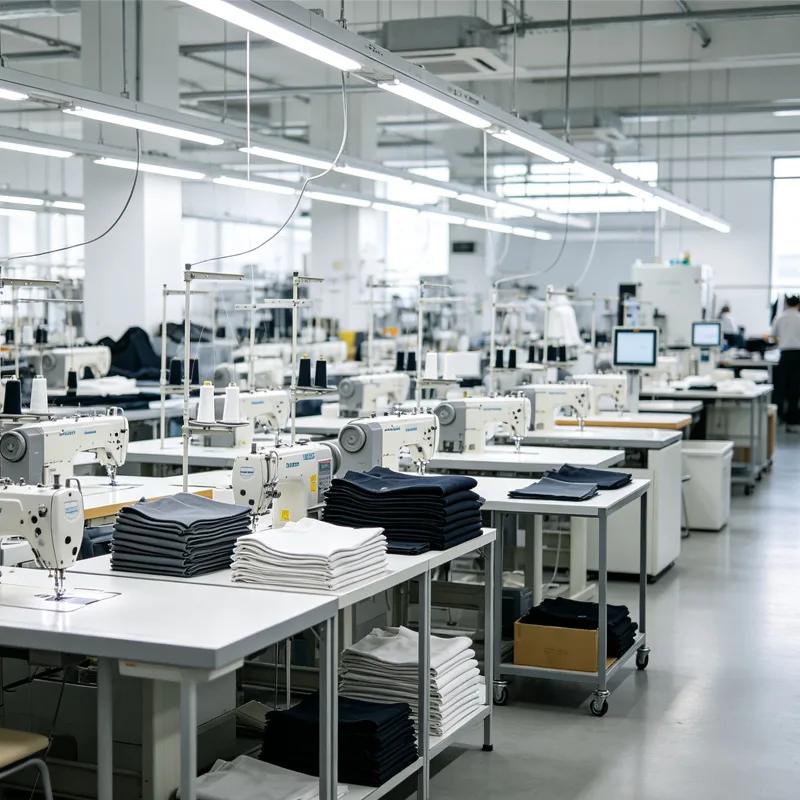
A professional OEM factory follows a structured production process.
Step 1: Product Requirement Review
The factory reviews:
- Product specifications
- Technical files
- Samples
- Materials
- Quantity requirements
Clear information helps avoid misunderstandings.
Step 2: Material Preparation
The factory confirms:
- Fabric availability
- Color matching
- Accesorios
- Production timeline
Example:
A brand orders 10,000 fleece jackets.
Before production, the factory confirms:
- Fabric weight
- Color consistency
- Zipper quality
- Label details
This reduces production problems later.
Step 3: Sample Approval
Samples help brands confirm:
- Fit
- Appearance
- Construction
- Function
The sample stage is important because changes are easier before bulk production.
Step 4: Bulk Production
After approval, production begins.
The process usually includes:
- Fabric cutting
- Sewing
- Quality checking
- Finishing
- Packaging
4. OEM vs ODM Manufacturing: What Is the Difference?
Many buyers compare OEM and ODM factories.
Both models support custom apparel production.
| Factor | OEM Manufacturing | ODM Manufacturing |
|---|---|---|
| Design Source | Brand provides design | Factory helps develop design |
| Development Support | Production focused | Development focused |
| Customization | High | High |
| Technical Assistance | Based on requirements | More involved |
| Best For | Brands with clear specifications | Brands needing product development |
Example:
A large apparel company already has complete technical documents.
OEM production may fit its needs.
A startup brand with only product ideas may prefer ODM support.
5. What Products Can an Apparel OEM China Factory Produce?
A capable apparel manufacturer should support multiple product categories.
| Product Category | Production Focus | Examples |
|---|---|---|
| Ropa informal | Comfort and appearance | T-shirts, hoodies |
| Ropa deportiva | Performance | Activewear |
| Outdoorwear | Protection and durability | Jackets |
| Fleece Apparel | Warmth and comfort | Fleece jackets |
| Workwear | Strength | Work jackets |
| Children's Apparel | Safety and comfort | Kids clothing |
Example:
A brand may start with basic T-shirts.
Later, it may expand into:
- Sweatshirts
- Jackets
- Outdoor products
Working with a versatile OEM factory makes expansion easier.
6. How to Evaluate a China Apparel Supplier
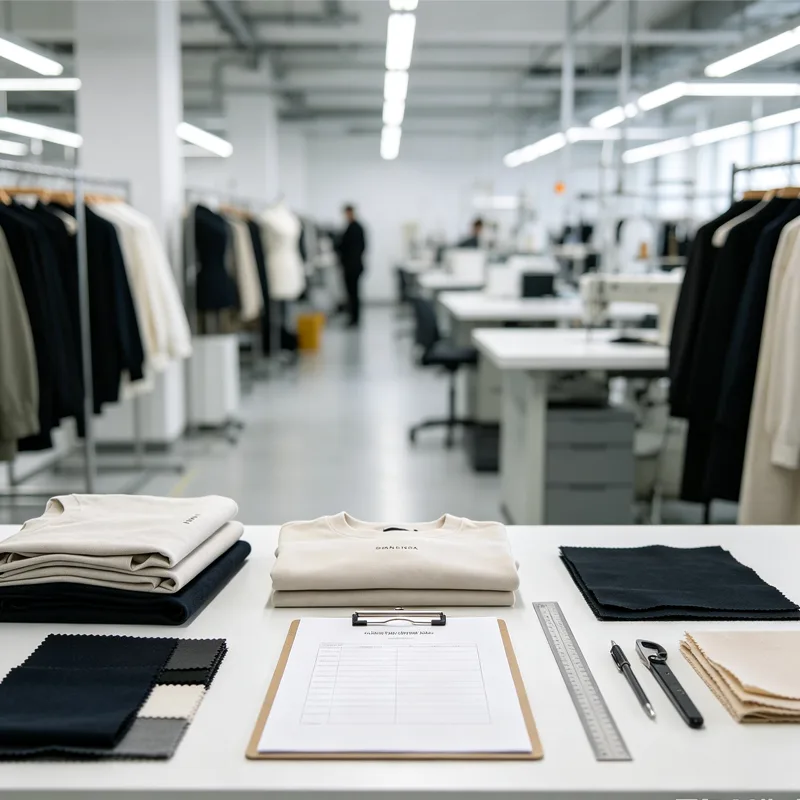
Choosing an OEM factory requires careful evaluation.
6.1 Manufacturing Capability
Check:
- Factory experience
- Production equipment
- Workforce
- Production capacity
- Product categories
A supplier should match your product requirements.
6.2 Quality Control System
Quality control should cover:
Material Inspection
Check:
- Fabric quality
- Color accuracy
- Performance
Production Inspection
Check:
- Stitching
- Measurements
- Construction
Final Inspection
Check:
- Finished products
- Packaging
- Order quantity
Example:
A 5,000-piece jacket order may contain thousands of sewing operations.
A small production issue can affect the entire shipment.
A strong inspection process helps reduce these risks.
7. Private Label Services From an OEM Apparel Factory
Many brands need more than garment production.
They also require branding support.
Common services include:
- Custom labels
- Hangtags
- Logo application
- Packaging
- Custom colors
Example:
A new outdoor clothing brand wants its own jacket collection.
The OEM factory can support:
- Custom jacket production
- Brand labels
- Packaging solutions
This allows the brand to create products under its own identity.
8. China Apparel OEM Factory vs Trading Company
Understanding supplier differences helps brands make better decisions.
| Factor | OEM Factory | Trading Company |
|---|---|---|
| Production Control | Direct | Depends on suppliers |
| Custom Development | Usually stronger | Depends on network |
| Communication | Direct with factory | Through intermediary |
| Production Knowledge | Higher | Varies |
| Quality Management | Direct control | Depends on partners |
Example:
A brand needs a complex jacket with special fabric requirements.
Direct communication with an OEM factory can make technical discussions faster and clearer.
9. Why Choose KALAIBEN as an Apparel OEM Partner
For brands looking for an apparel OEM China factory, KALAIBEN provides OEM and ODM manufacturing support for global apparel businesses.
The company supports product development, sampling, customized production, labeling, and packaging solutions.
Its manufacturing scope covers knitted and woven apparel, including casualwear, sportswear, outdoorwear, and other clothing categories.
More information:
10. How to Start Working With an Apparel OEM China Factory
Before contacting a manufacturer, prepare clear product information.
Product Details
Prepare:
- Product category
- Design references
- Fabric requirements
- Size chart
- Color options
Production Details
Include:
- Order quantity
- Delivery schedule
- Quality requirements
Branding Details
Provide:
- Logo files
- Labels
- Packaging requirements
A detailed project brief helps factories provide more accurate solutions.
11. Final Checklist for Choosing an Apparel OEM China Factory
| Evaluation Point | Questions to Ask |
|---|---|
| Experience | Does the factory produce similar products? |
| Customization | Can it meet your specifications? |
| Quality | Does it have inspection procedures? |
| Communication | Is information clear and efficient? |
| Production | Can it support future growth? |
A reliable apparel OEM China factory should provide more than manufacturing capacity.
It should support stable production, clear communication, quality control, and long-term cooperation.
For global brands developing custom apparel collections, choosing the right OEM partner can make the production process more efficient and predictable.











