




Hogyan hozhatod létre a saját ruhamárkádat a semmiből
Közzététel ideje:2026-08-27 Kategória:HÍREK Látogatószám:691
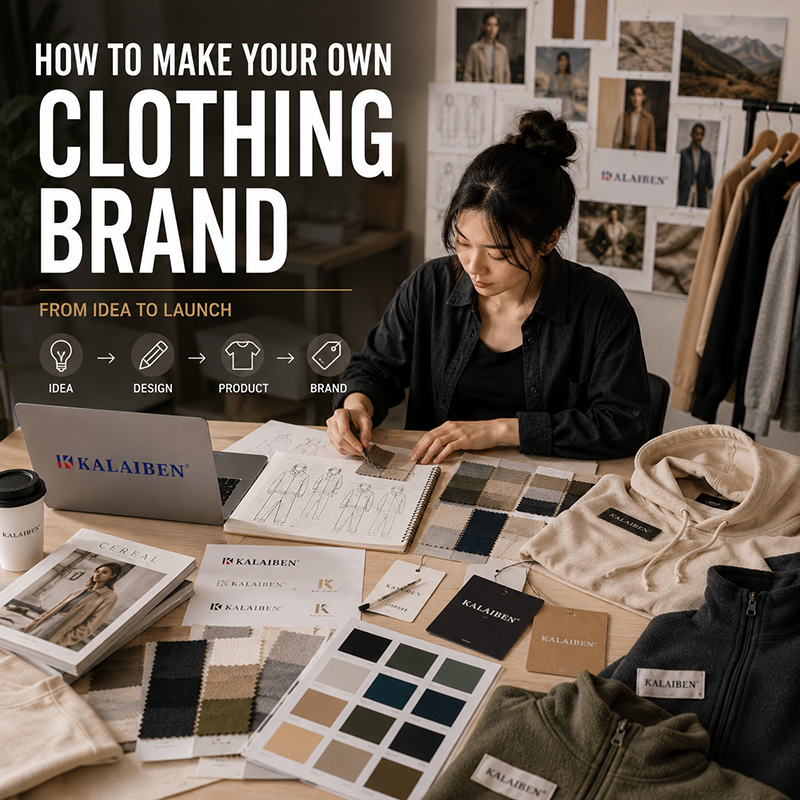
Creating your own clothing brand can turn a creative idea into a real business. But building a clothing brand involves much more than choosing a logo or designing a few garments.
You need to define your target customer, understand the market, develop products, choose suitable fabrics, create samples, find a reliable clothing manufacturer, manage production costs, and build a strategy for bringing your products to customers.
For first-time entrepreneurs, the process may seem overwhelming.
The good news is that you can approach it step by step.
You do not need to create a large collection immediately or have every part of the business finalized from day one. Starting with a clear concept and a focused product range can give you a practical foundation for developing your brand.
Here is a step-by-step guide to making your own clothing brand from scratch.
1. Start With a Clear Brand Idea
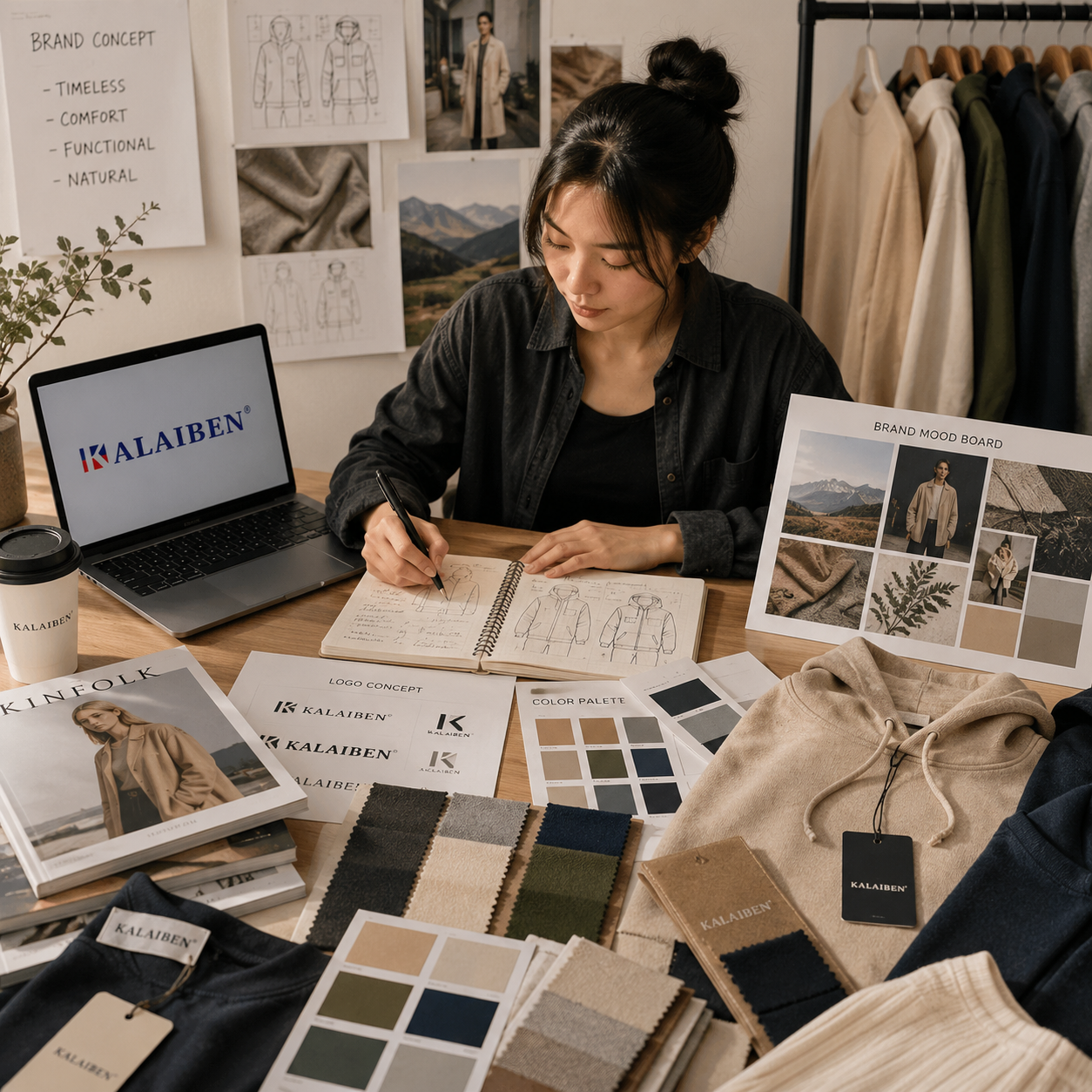
The first step is to decide what your clothing brand will represent.
Think about the type of customer you want to serve and the type of clothing you want to create.
Your concept could focus on:
- Casual fashion
- Streetwear
- Outdoor clothing
- Activewear
- Children's clothing
- Workwear
- Sustainable fashion
- Everyday basics
Try to answer a few basic questions:
Who is your customer?
What type of clothing do they need?
What price range can they afford?
What style do they prefer?
Why would they choose your brand?
A clear answer to these questions can help guide your decisions later.
2. Research the Market Before Designing Products
Before spending money on product development, research your target market.
Look at brands that already serve similar customers.
Study:
- Product categories
- Prices
- Fabrics
- Colors
- Sizes
- Product features
- Customer reviews
- Website presentation
- Social media content
You are not looking for a successful brand to copy.
Instead, look for opportunities.
Perhaps customers want better materials, more practical designs, different price points, or clothing designed for a more specific lifestyle.
Good market research can help you identify what your potential customers actually value before you invest in production.
3. Choose Your First Products
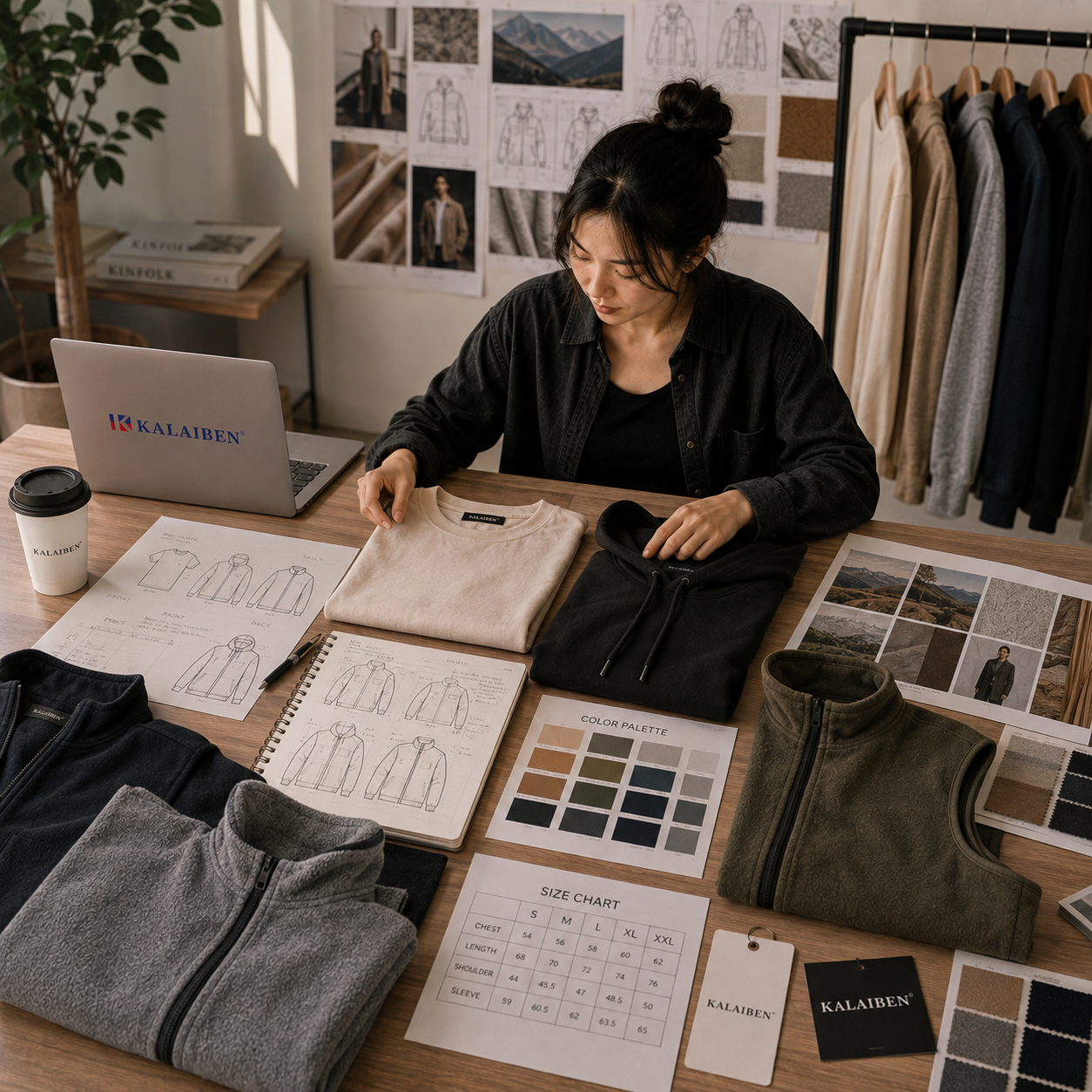
You do not need a huge collection to launch a clothing brand.
In fact, a smaller first collection can make it easier to manage product development, inventory and production costs.
Depending on your brand, your first products could include:
- T-shirts
- Sweatshirts
- Hoodies
- Fleece
- Jackets
- Vests
- Alkalmi ruházat
- Outdoor clothing
- Sportruházat
Choose products that fit naturally with your brand concept.
If your brand focuses on outdoor lifestyles, for example, functional jackets and fleece products may make more sense than unrelated fashion pieces.
The goal is to create a collection that feels consistent.
4. Develop Your Clothing Designs
Once you know what products you want to create, start developing the designs.
Your product development information may include:
- Garment sketches
- Measurements
- Fabric requirements
- Colors
- Fit
- Construction
- Labels
- Trims
- Logo placement
- Packaging
At this stage, remember that clothing needs to be both attractive and practical to manufacture.
A design that looks good on paper may require complicated construction, special fabrics or additional production processes.
Talking to an experienced manufacturer during product development can help you understand these considerations earlier.
5. Choose the Right Fabric
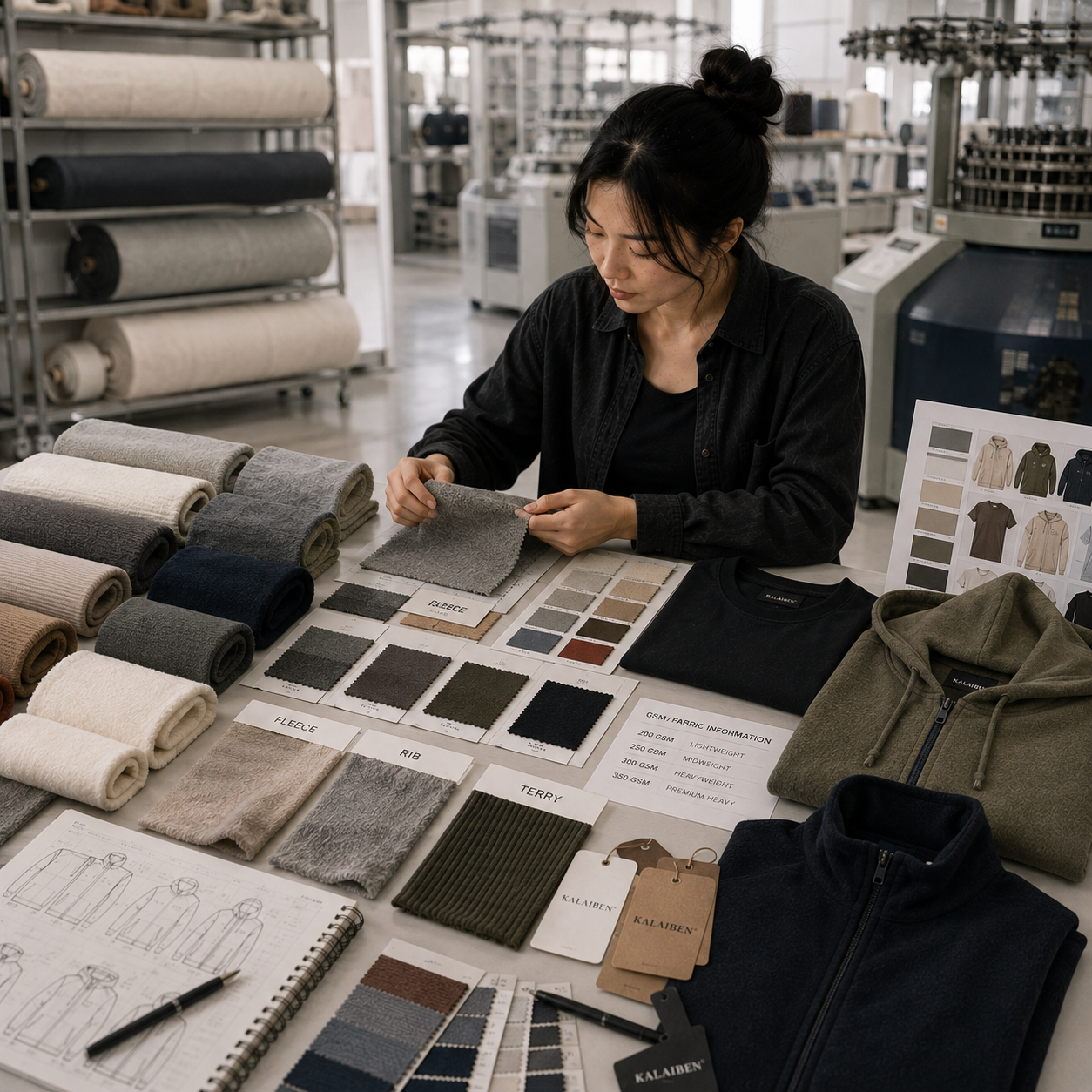
Fabric has a major influence on how a garment looks, feels and performs.
When developing a product, consider:
- Fiber composition
- Fabric weight
- GSM
- Stretch
- Softness
- Durability
- Breathability
- Melegség
- Moisture management
- Washing performance
For example, fleece can be suitable for warm casualwear and outdoor garments, while lightweight knitted fabrics may work better for everyday clothing.
KALAIBEN's company information describes an integrated textile and garment business covering knitted fabric production as well as knitted and woven apparel. Its textile operation produces mid-to-high-grade knitted fabrics and operates equipment including high-speed single-side, double-side, terry, fleece and rib machines.
For a new clothing brand, working with a manufacturer that understands both fabric and garment requirements can make product communication more efficient.
6. Create Your Product Specifications
Once your design is developed, prepare clear production information.
A tech pack or similar product specification can include:
- Measurements
- Fabric composition
- Fabric weight
- Color references
- Construction details
- Stitching
- Artwork
- Labels
- Trims
- Packaging
Clear information gives the manufacturer a better understanding of what you expect.
It also provides a useful reference when reviewing samples and bulk production.
7. Make Samples Before Bulk Production
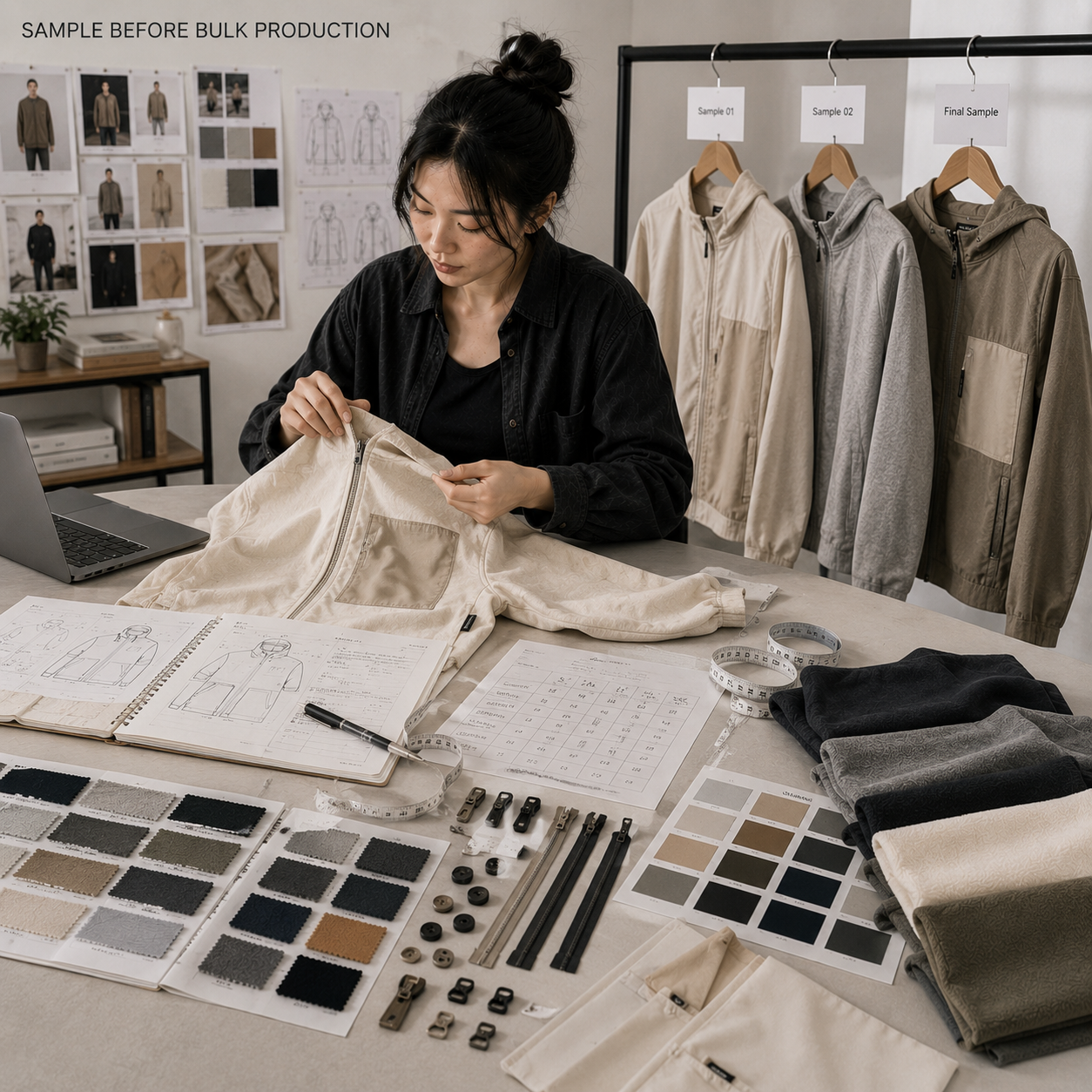
Never rush directly from an idea to a large production order.
Develop samples first.
A sample allows you to check:
- Fit
- Measurements
- Fabric
- Color
- Construction
- Comfort
- Appearance
- Details
If something is wrong, revise the product before bulk production.
This process may require more than one sample round, especially for new designs.
The purpose of sampling is not simply to create a product photo. It is an opportunity to test whether your design works as a real garment.
8. Find a Clothing Manufacturing Partner
Once your products are developed, you need a manufacturer that can turn your specifications into finished garments.
When comparing manufacturers, consider:
- Product experience
- Fabric capabilities
- Sampling
- MOQ
- Production capacity
- Quality control
- Communication
- Lead time
- Export experience
KALAIBEN is an integrated textile and apparel industry and trade company headquartered in Quanzhou, Fujian Province. Its Jiangxi subsidiary is located in Jinshan Industrial Park, Nancheng County, and the company's stated product categories include knitted and woven casual garments and outdoor sportswear.
The company also develops its own KALAIBEN adult clothing brand and BOWTAD children's brand.
For a new brand, choosing a manufacturing partner should be based on overall suitability rather than price alone.
9. Understand Your Production Costs
Before placing an order, calculate the costs involved in developing and producing your clothing.
These may include:
- Design
- Sampling
- Fabric
- Trims
- Labels
- Packaging
- Manufacturing
- Shipping
- Import costs
- Marketing
- Storage
Do not calculate your budget based only on the factory's garment quotation.
The total cost of bringing a product to market can be considerably broader.
Understanding your costs early will help you set more realistic retail or wholesale prices.
10. Build Your Brand Identity
Once the product concept is established, develop the visual identity of your brand.
This can include:
- Brand name
- Logo
- Colors
- Typography
- Packaging
- Labels
- Photography
- Website design
- Social media style
Your visual identity should be consistent.
However, remember that your brand is more than a logo.
Product quality, design, customer experience and communication all contribute to how customers perceive the brand.
11. Build Your Online Presence
A new clothing brand needs a place where customers can discover and understand the products.
Depending on your business model, this could include:
- E-commerce website
- Social media
- Online marketplaces
- Email marketing
- Content marketing
Your website should provide clear information about:
- Termékek
- Sizes
- Materials
- Prices
- Shipping
- Returns
- Brand story
Good product photography and clear descriptions can make a significant difference in how customers perceive your brand.
12. Launch Your First Collection
When your products, website and marketing materials are ready, you can launch your collection.
Do not assume that the launch itself will immediately generate large sales.
A new brand needs time to build awareness and trust.
Use your launch to collect information about:
- Customer interest
- Best-selling products
- Popular colors
- Popular sizes
- Customer feedback
- Returns
- Marketing performance
This information can guide your next collection.
13. Improve Your Brand Over Time
The first collection is the beginning, not the end.
As your brand grows, you can use real customer data to improve:
- Product design
- Fabric selection
- Sizing
- Pricing
- Packaging
- Marketing
- Production planning
You may discover that one product becomes a bestseller while another receives little interest.
Instead of trying to expand everything, focus on what customers actually respond to.
Conclusion
Making your own clothing brand requires creativity, planning and patience.
The process starts with a clear concept and target customer. From there, you can research the market, choose your first products, develop designs, select fabrics, create samples, find a suitable manufacturer and prepare your collection for launch.
You do not need to build a large brand overnight.
A focused product range, clear brand identity and reliable manufacturing partner can provide a stronger foundation for long-term growth.
KALAIBEN's integrated textile and apparel business covers knitted fabric production, knitted and woven casual garments and outdoor sportswear, while the company also operates its own KALAIBEN and BOWTAD brands.
For entrepreneurs making their own clothing brand, the most important step is to turn a good idea into a product that customers actually want—and then build a reliable process around it.











