Men's Fleece Hoodie Fabric Guide: Why 280GSM CVC Brushed Fleece Outperforms Regular Cotton
Data di pubblicazione:2026-09-22 Categoria:NOTIZIE Visualizzazioni:473
When sourcing men's fleece sweaters for a brand program, the fabric choice is where most production headaches begin—and end. Most buyers default to "100% cotton" assuming it's the premium option. But after producing thousands of units, many come back to one conclusion: 280GSM CVC brushed fleece delivers a better balance of warmth, durability, and cost than regular cotton for most commercial hoodie programs.
This guide breaks down exactly why, with the technical data you need to make an informed sourcing decision.
What Is 280GSM CVC Brushed Fleece?
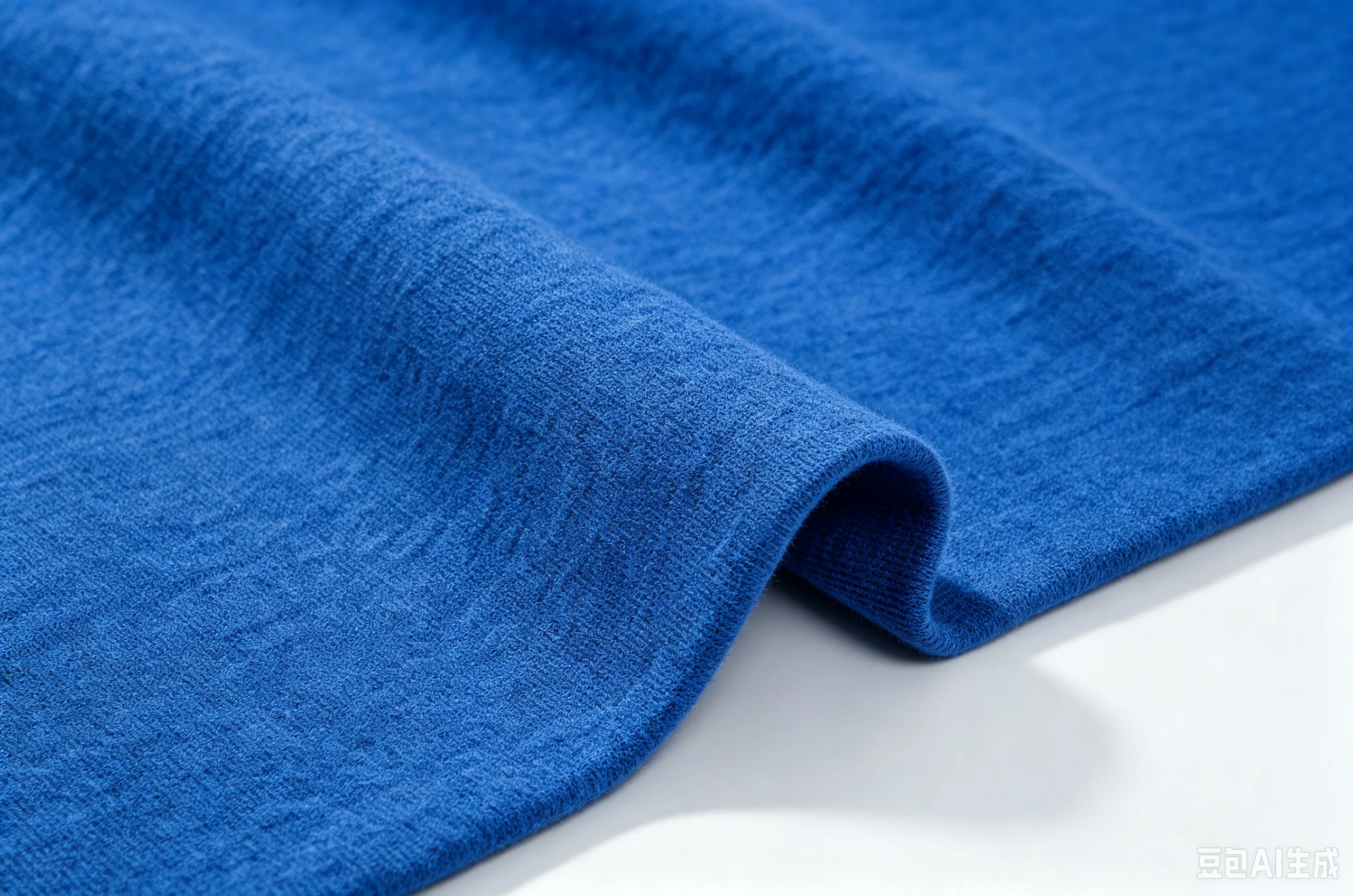
CVC stands for Chief Value Cotton—a cotton-dominant blend where cotton content exceeds 50%. The standard commercial ratio is 60% cotton / 40% polyester. This is not the same as TC (polyester-dominant) or a generic poly-cotton blend.
GSM (grams per square meter) measures fabric weight. In hoodie manufacturing:
- 200–250 GSM: lightweight, layering piece
- 250–300 GSM: midweight, year-round wear
- 300–400+ GSM: heavyweight, cold-weather and premium
280GSM sits at the upper end of midweight—heavy enough to feel substantial and hold a structured silhouette, light enough for extended seasonal wear without overheating. For men's fleece sweaters aimed at autumn/winter casualwear, this is the sweet spot.
What does "brushed fleece" mean? After knitting, the fabric's inner surface undergoes a mechanical brushing process that raises fine fibers into a soft, insulating pile. This is what separates fleece from French terry—the brushing step creates the warmth and hand-feel that define a true fleece hoodie.
CVC Brushed Fleece vs Regular Cotton: 6 Key Differences
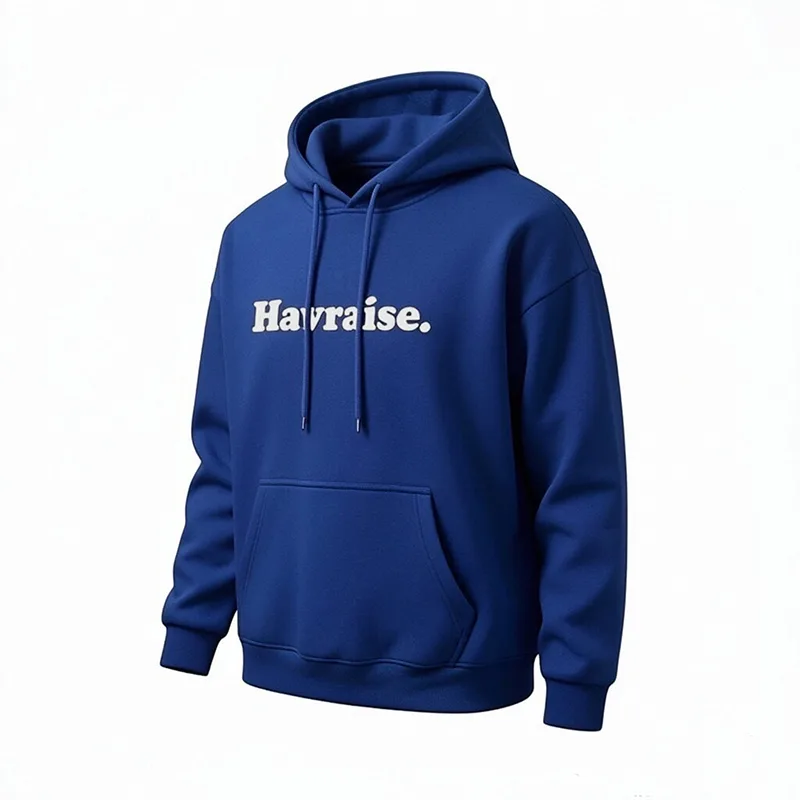
1. Warmth & Thermal Retention
Brushed fleece traps air within its raised fiber structure, creating an insulating layer that flat cotton fabric cannot match. The polyester component adds loft without bulk, which is why a 280GSM CVC fleece hoodie feels warmer than an equivalent-weight cotton sweatshirt while remaining lighter overall.
2. Durability & Shape Retention
This is where the 40% polyester pays off. Pure cotton fleece shrinks more in washing and loses shape faster. CVC fleece retains dimensional stability, resists stretching at cuffs and hem, and maintains its silhouette after repeated wear. According to industry fabric classification, abrasion resistance ranks as: TC > CVC > 100% cotton. For brands selling direct-to-consumer where returns matter, this translates to fewer size-related complaints.
3. Breathability & Moisture Management
Cotton's natural fiber structure provides breathability and moisture absorption. The 60% cotton content ensures the fabric still "breathes" like cotton—something a polyester-dominant blend cannot replicate. Meanwhile, the polyester component helps the fabric dry faster than pure cotton, reducing that damp, heavy feeling after extended wear.
4. Pilling Resistance
Pure cotton fleece is the most prone to pilling. CVC fleece, with its polyester reinforcement, achieves moderate pilling resistance—noticeably better than 100% cotton but not as pill-resistant as TC. For brushed fleece specifically, the brushing process must be carefully controlled; too aggressive raising causes fiber shedding and pilling. Reputable manufacturers use ring-spun long-staple yarns and post-brushing shearing to remove floating fibers.
5. Print & Embroidery Compatibility
CVC fleece handles both screen printing and embroidery well. The smooth cotton face provides good ink adhesion, while the fabric's density supports detailed stitching without puckering—a critical advantage for brands adding logos or graphic designs.
6. Cost-Performance Ratio
100% cotton fleece costs more per kilogram and yields more waste due to shrinkage. CVC fleece reduces unit cost while delivering comparable—often superior—performance for the end user. For B2B buyers, this means better margin structure without compromising perceived quality.
Quick Comparison Table
| Fattore | 280GSM CVC Brushed Fleece | 100% Cotton Fleece | TC Fleece |
|---|---|---|---|
| Cotton content | 60% | 100% | <50% |
| Warmth | High (brushed pile) | High (but heavier) | Alto |
| Shape retention | Good | Poor | Excellent |
| Shrinkage | Basso | Alto | Very low |
| Pilling | Moderato | Alto | Basso |
| Traspirabilità | Good | Excellent | Fair |
| Cost | Moderato | Alto | Basso |
| Ideale per | Men's hoodies, streetwear, casualwear | Premium/natural positioning | Budget/promotional |
The Brushing Process: What Makes Fleece "Fleece"?

The distinction between French terry and fleece comes down to one finishing step: brushing. After the fabric is knitted on circular machines, the inner loops are passed through rotating wire brushes that tease fibers upward into a soft pile. The depth and density of this pile determines the fabric's warmth, hand-feel, and weight perception.
For 280GSM CVC fleece, the brushing process must be calibrated so the pile is dense enough for insulation but not so aggressive that it weakens the fabric or causes excessive lint shedding. Post-brushing shearing removes surface fuzz, resulting in a clean, consistent interior finish.
Who Should Choose CVC Brushed Fleece Hoodies?

Streetwear & casualwear brands benefit most. The fabric's structured drape supports oversized and boxy silhouettes that read as premium, while the brushed interior delivers the comfort consumers expect from a mid-to-heavyweight hoodie.
Corporate and promotional apparel programs also favor CVC fleece because it accepts embroidery and printing cleanly and holds up to industrial laundering better than pure cotton.
Outdoor layering programs appreciate the warmth-to-weight ratio—280GSM provides meaningful insulation without the bulk of a 400GSM+ garment, making it viable as a mid-layer.
How to Source Men's Fleece Hoodies: What B2B Buyers Should Verify
Fabric certification. Request test reports for shrinkage resistance, colorfastness, and pilling performance (Martindale test). Reputable suppliers provide lab reports from SGS or Intertek.
GSM tolerance. Industry-standard tolerance is ±5 GSM. Inconsistent fabric weight between batches signals poor mill control and will cause fit variation across production runs.
Sampling and pre-production approval. Always evaluate a physical sample before bulk. Check stitch density (aim for 8–10 SPI), seam reinforcement, and collar stability. At Kalaiben, for example, the sampling stage includes fabric hand-feel verification and GSM measurement before bulk cutting begins—a standard step that prevents costly revisions later.
Shrinkage control. If the manufacturer pre-shrinks fabric before cutting, final garment shrinkage can be controlled within 5%. Ask whether pre-washing is part of the standard process.
FAQ
Q: Is CVC fleece as soft as 100% cotton fleece?
A: Pure cotton fleece has the softest initial hand-feel. CVC fleece is slightly firmer at first touch but softens with washing and maintains that softness longer without pilling.
Q: What GSM is best for a men's fleece hoodie?
A: 280GSM is the most versatile midweight option. 300–350GSM suits colder climates and premium positioning. 400GSM+ is reserved for heavy winter or streetwear programs.
Q: Can CVC brushed fleece be printed and embroidered?
A: Yes. The cotton face takes screen printing well, and the fabric density supports embroidery without deformation. Both decoration methods are standard for CVC fleece hoodies.
Q: What's the typical MOQ for custom fleece hoodies?
A: Industry MOQs range from 300–1,000 units per color for full custom production. Some factories offer lower minimums for hybrid models using stock fabric bases.
Conclusion
For most men's fleece sweater programs, 280GSM CVC brushed fleece offers the optimal balance—better shape retention and durability than pure cotton, superior breathability and hand-feel compared to TC, and a cost structure that supports healthy margins. The key is verifying the fabric's GSM consistency, pilling performance, and shrinkage control before committing to bulk production.
If you're sourcing custom fleece hoodies and want to evaluate fabric samples against your brand's specifications, you can explore Kalaiben's manufacturing capabilities at https://www.kalaiben.com/. Their team provides fabric swatches, GSM verification, and pre-production samples as part of the standard development process.