




厚手生地のメーカー:アパレルブランドのための完全ガイド
公開日時:2026-09-04 カテゴリ:ニュース 閲覧数:523
Introduction
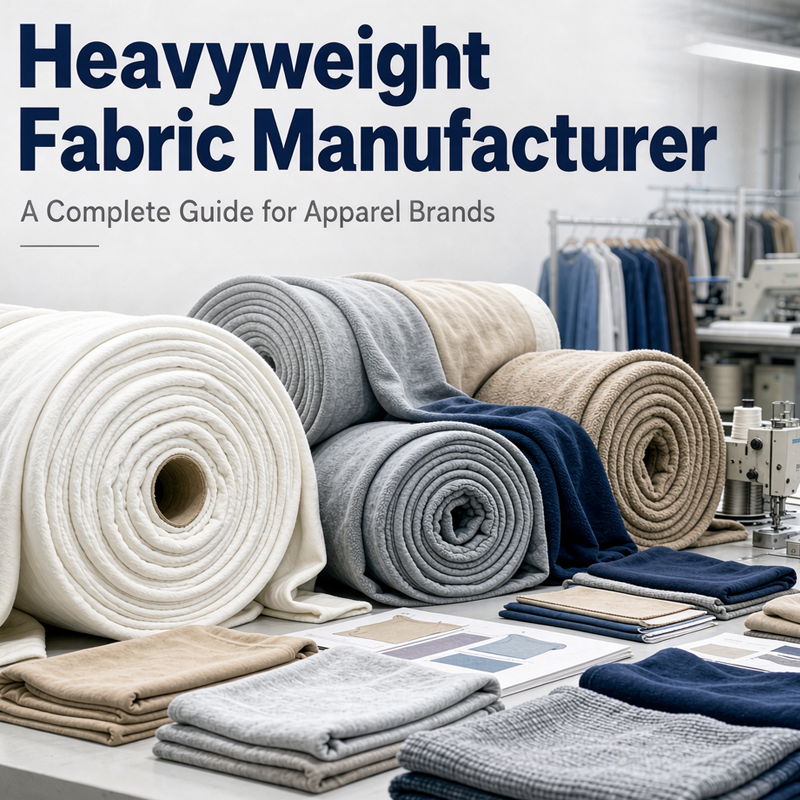
Fabric selection is one of the most important decisions when developing a clothing collection.
The fabric determines not only the appearance of a garment but also its hand feel, durability, comfort, structure, and overall brand positioning.
In recent years, heavyweight fabrics have become increasingly popular among streetwear brands, premium basics brands, outdoor apparel companies, and fashion labels that want products with a stronger texture and higher perceived value.
However, creating high-quality heavyweight garments requires more than simply choosing a thicker material.
Brands need to work with a reliable heavyweight fabric manufacturer that understands fabric construction, weight control, finishing processes, and garment production requirements.
This guide explains what apparel brands should know before choosing a heavyweight fabric manufacturing partner.
1. What Is Heavyweight Fabric?
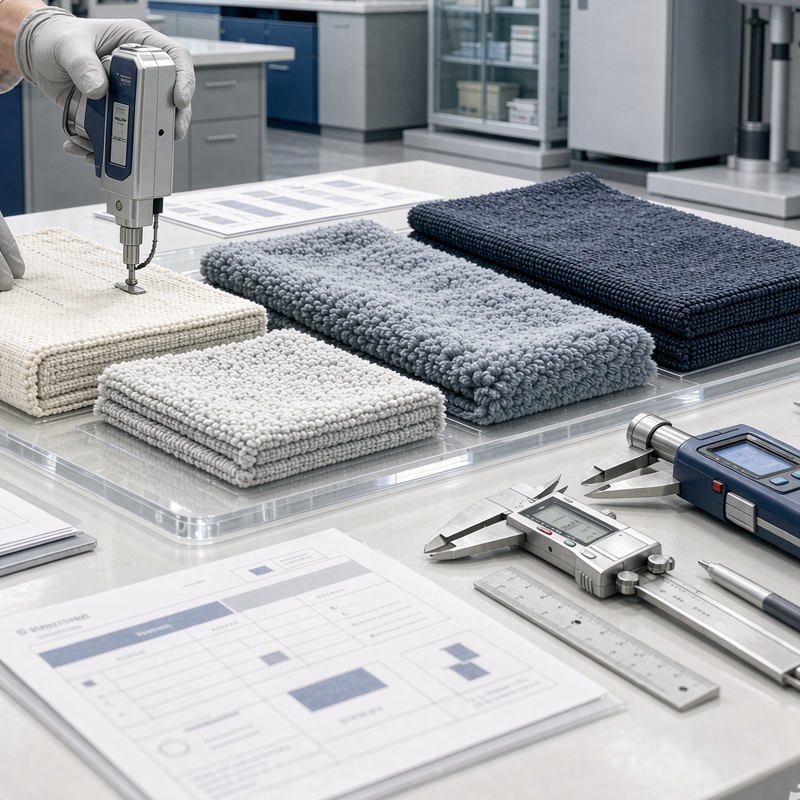
Heavyweight fabric refers to textile materials with a higher fabric weight compared with standard fabrics.
Fabric weight is usually measured in:
- GSM (grams per square meter)
A higher GSM generally indicates a thicker and heavier fabric structure.
Examples:
- Lightweight cotton: around 120–160 GSM
- Medium-weight cotton: around 160–220 GSM
- Heavyweight cotton: often above 240 GSM
The exact classification depends on fabric type, construction, and intended application.
Heavyweight fabrics are commonly used for:
- Premium T-shirts
- Oversized streetwear garments
- Hoodies
- Sweatshirts
- Jackets
- Workwear-inspired clothing
2. Why Are Heavyweight Fabrics Popular Among Clothing Brands?
Heavyweight fabrics provide several characteristics that many brands look for.
Premium Hand Feel
A heavier fabric often creates a stronger and more substantial touch experience.
Customers may associate this feeling with:
- Better quality
- More durability
- Premium construction
Better Garment Structure
Compared with lightweight materials, heavyweight fabrics can help garments maintain:
- Shape
- Volume
- Silhouette
This is especially important for oversized and structured fashion styles.
Higher Perceived Value
For many brands, fabric quality is part of their product story.
A heavyweight material can help differentiate products in a competitive apparel market.
3. Common Heavyweight Fabrics Used in Apparel
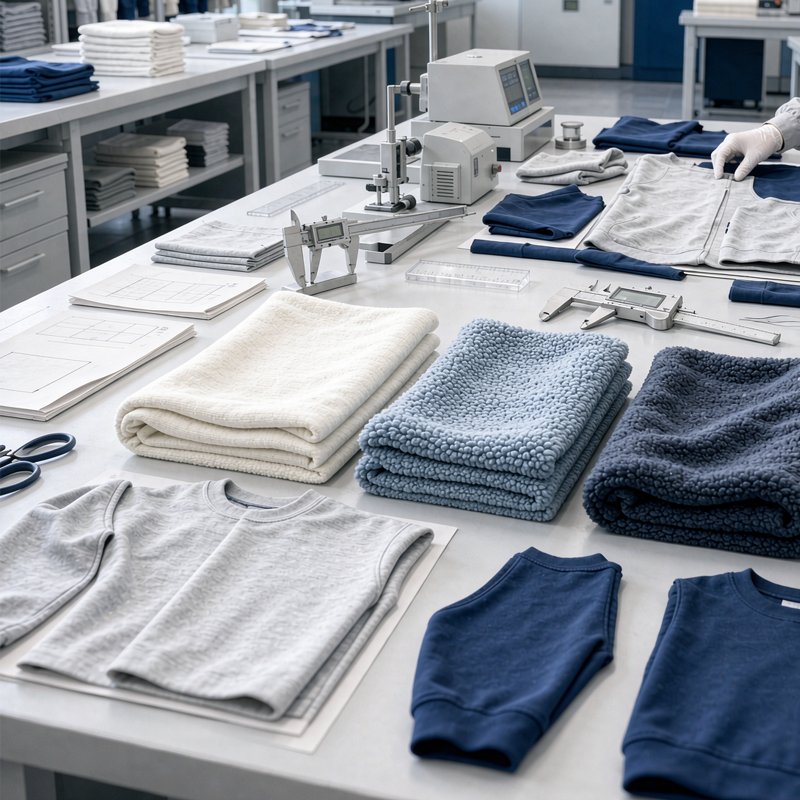
Different heavyweight fabrics offer different characteristics.
Heavyweight Cotton
One of the most popular options for:
- T-shirts
- Sweatshirts
- カジュアルウェア
Advantages include:
- Natural hand feel
- 通気性
- Comfortable wearing experience
Heavyweight French Terry
Commonly used for:
- Sweatshirts
- Hoodies
- Casual garments
It provides:
- Soft texture
- Comfortable structure
- Everyday wearability
Heavyweight Fleece
Often used for:
- Hoodies
- Jackets
- Cold-weather garments
It provides:
- Warmth
- Soft interior feel
- Insulation
Heavyweight Blended Fabrics
Blended fabrics may combine different fibers to improve:
- 耐久性
- Shape retention
- パフォーマンス
The best fabric depends on the garment purpose and target market.
4. What Does a Heavyweight Fabric Manufacturer Provide?
A professional heavyweight fabric manufacturer supports more than fabric production.
Services may include:
Material Development
Helping brands select suitable:
- Fiber composition
- Fabric construction
- 重量
- Texture
Color Development
Supporting:
- カスタムカラー
- Dyeing processes
- Color matching
Fabric Testing
Checking:
- Weight consistency
- Shrinkage
- Color fastness
- 耐久性
Fabric Supply Management
Ensuring stable material availability for garment production.
A reliable fabric partner helps brands maintain consistency between samples and bulk production.
5. How Fabric Weight Affects Garment Development
Fabric weight influences many aspects of garment production.
Pattern and Fit
Heavy fabrics behave differently from lightweight fabrics.
They may affect:
- Garment drape
- Shoulder structure
- Overall silhouette
Sewing Requirements
Thicker materials may require:
- Suitable sewing equipment
- Appropriate stitching methods
- Experienced production teams
Final Product Experience
Fabric weight directly affects how customers feel the garment.
Therefore, brands should evaluate fabrics during sampling rather than selecting materials only from specifications.
6. Choosing the Right Heavyweight Fabric for Your Brand
Different brands have different requirements.
Before selecting a heavyweight fabric, consider:
Product Category
A heavyweight T-shirt requires different characteristics from a winter jacket.
Target Customer
Premium streetwear customers may prioritize:
- Structure
- Texture
- 耐久性
Lifestyle brands may prioritize:
- Comfort
- 柔らかさ
- Everyday usability
Climate and Usage
The intended wearing environment affects fabric selection.
For example:
- Warm climates may require breathable heavyweight materials.
- Cold climates may require insulating fabrics.
7. Heavyweight Fabric Development Process
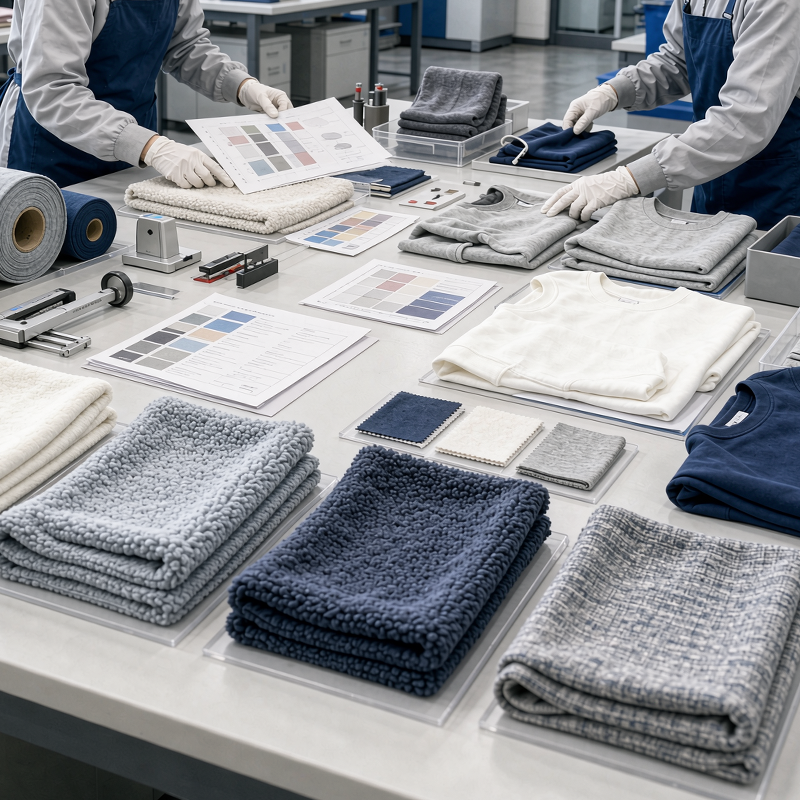
A typical development process includes:
Step 1: Define Product Requirements
Brands communicate:
- Product type
- Target fabric weight
- Composition
- Desired hand feel
Step 2: Fabric Selection
The manufacturer recommends suitable fabric options.
Step 3: Fabric Sampling
Small fabric samples are developed for evaluation.
Step 4: Testing and Adjustment
The fabric is reviewed for:
- 外観
- パフォーマンス
- 重量
- Comfort
Step 5: Production Preparation
Approved fabric specifications are prepared for garment manufacturing.
8. Why Fabric Sampling Matters
Fabric samples allow brands to evaluate the actual material before production.
Important factors include:
Hand Feel
Does the fabric feel suitable for the product positioning?
重量
Does it achieve the intended premium or functional effect?
外観
Does the texture match the brand image?
パフォーマンス
Does it maintain quality after washing and use?
A small fabric difference can significantly change the final garment experience.
9. How to Evaluate a Heavyweight Fabric Manufacturer
Brands should consider several factors before choosing a supplier.
Fabric Experience
Does the manufacturer understand heavyweight materials?
Development Ability
Can they support custom fabric requirements?
品質管理
How do they maintain consistency between batches?
生産能力
Can they support future repeat orders?
コミュニケーション
Can they clearly explain material options and limitations?
A good fabric partner should provide professional guidance, not only quotations.
10. Heavyweight Fabric and Sustainable Apparel Development
Many brands are also considering sustainability when choosing fabrics.
A durable heavyweight fabric can support longer product lifespan because garments may maintain:
- Shape
- 外観
- Wear resistance
However, sustainability also depends on:
- Fiber selection
- Manufacturing process
- Production efficiency
- Product usage
Brands should evaluate the complete lifecycle of the garment.
11. Working With a Clothing Manufacturer and Fabric Supplier
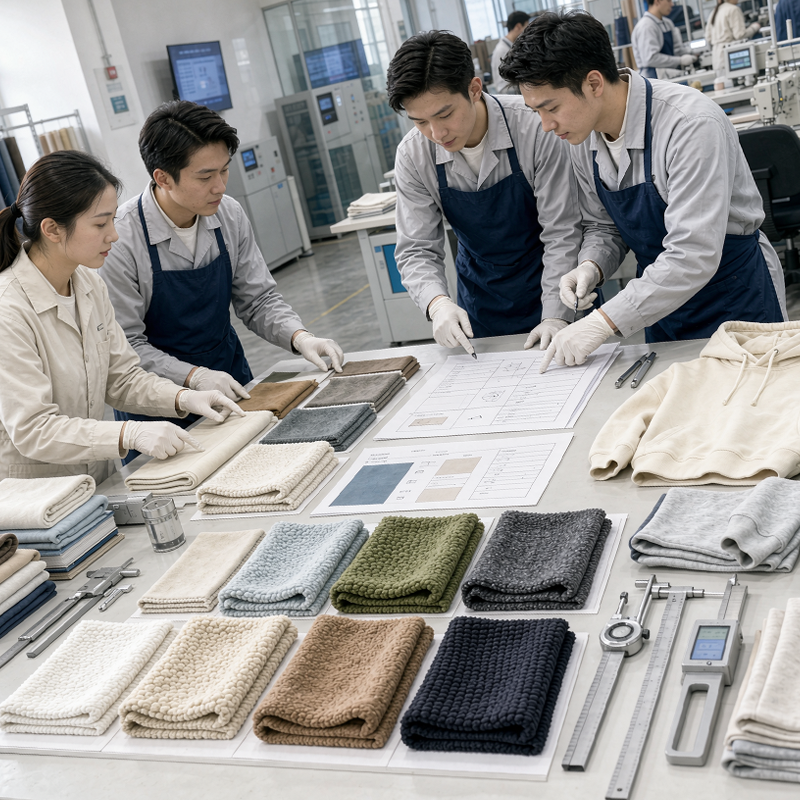
For many apparel brands, fabric development and garment production are closely connected.
A coordinated manufacturing partner can help manage:
- 生地の選定
- サンプルの開発
- Pattern adjustments
- Production requirements
- 品質管理
This connection helps reduce communication problems between different suppliers.
For brands developing custom collections, cooperation between fabric expertise and garment manufacturing capability is especially important.
12. Questions to Ask a Heavyweight Fabric Manufacturer
Before cooperation, brands should ask:
- What heavyweight fabrics do you specialize in?
- どのような生地の素材構成がありますか?
- Can you develop custom colors?
- What GSM options can you provide?
- How do you control fabric consistency?
- Can you provide fabric samples?
- What testing processes are available?
- What production quantities are required?
- Can you support repeat orders?
- How do you coordinate with garment production?
Clear communication at the fabric stage can prevent many problems later.
Conclusion
Choosing the right heavyweight fabric manufacturer is an important step for brands developing premium apparel collections.
Heavyweight fabrics can create stronger garment structures, improved hand feel, and a more premium customer experience.
However, successful development requires more than selecting a high GSM material.
Brands need a manufacturing partner that understands fabric characteristics, sampling, quality control, and garment production requirements.
By working with an experienced heavyweight fabric partner, apparel brands can create products with better consistency, stronger identity, and long-term market value.











