




Experienced Clothing OEM Partner: How to Choose the Right Manufacturer
Paskelbimo data:2026-10-13 Kategorija:NAUJIENOS Peržiūrų skaičius:335
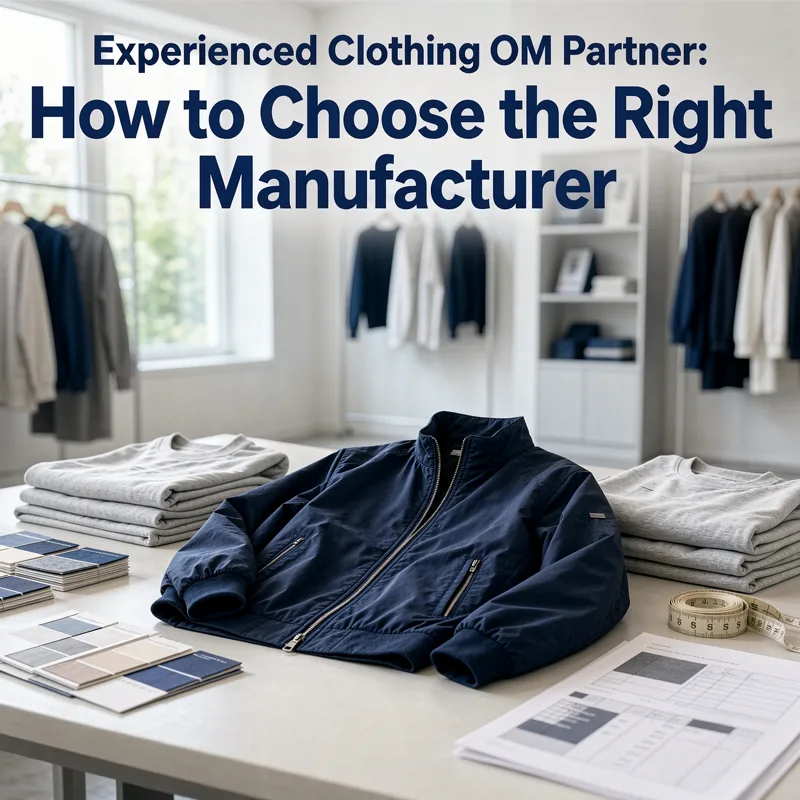
Experienced Clothing OEM Partner: How to Choose One
Learn how to choose an experienced clothing OEM partner by checking product expertise, sample quality, production control, pricing, and communication.
Choosing an experienced clothing OEM partner means finding a manufacturer that understands your product, follows clear specifications, and can maintain quality from sample development to bulk production. Before placing an order, verify its experience with similar garments, review its sample process, compare complete quotations, and confirm how it manages quality and delivery.
1. What Makes an Experienced Clothing OEM Partner?
An experienced clothing OEM partner does more than manufacture garments. It should understand your product requirements, identify technical risks, and explain how your design will move into production.
Look for four core capabilities:
- Relevant product experience: Experience with similar garments, fabrics, and construction methods.
- Technical development: Ability to work with tech packs, measurement charts, reference samples, and material specifications.
- Quality control: Clear checks for fabric, measurements, stitching, trims, and finished garments.
- Production coordination: Realistic lead times, transparent communication, and documented approvals.
A factory that mainly produces basic T-shirts, for example, may not be the best fit for a multi-panel jacket with functional pockets and specialized trims. Choose experience that matches your actual product.
2. How to Verify an OEM Manufacturer’s Experience
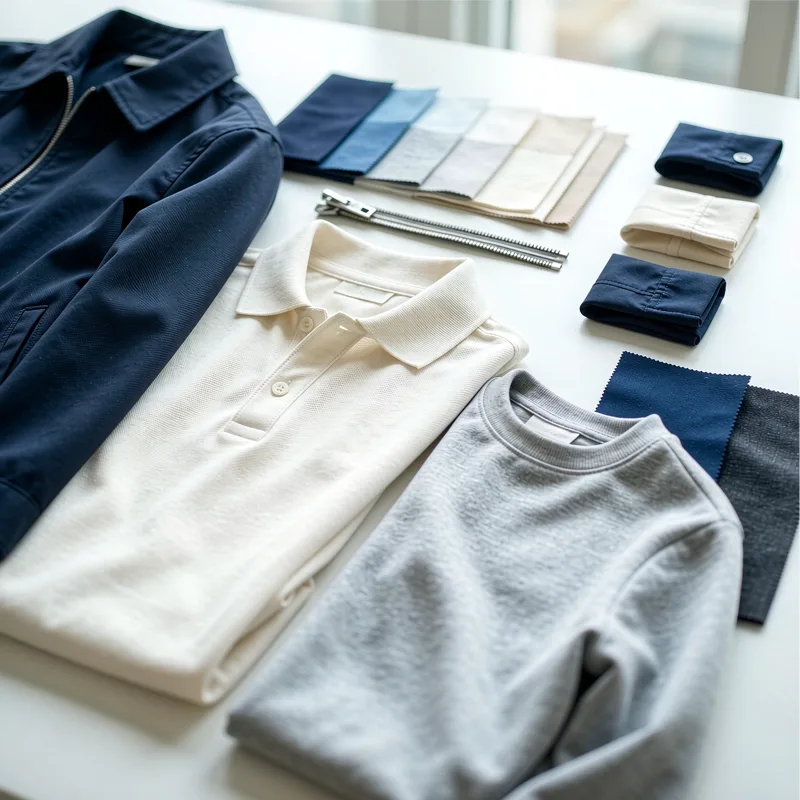
Do not rely on claims such as “many years of experience” alone. Ask for evidence related to your order.
2.1 Review Similar Products
Request examples from the same product category or with similar construction details. Check fabric type, seams, closures, pockets, lining, finishing, and customization.
Product relevance matters more than a large portfolio of unrelated garments.
2.2 Ask Technical Questions
A capable partner should be able to discuss practical production details, including:
- Which specifications need clarification?
- Which fabric options suit the intended use?
- What may affect fit, cost, or production time?
- How will sample revisions be recorded?
- How will approved specifications be followed during bulk production?
Clear, specific answers are more useful than broad promises.
2.3 Confirm the Production Process
Ask who manages sampling, material sourcing, production scheduling, and quality inspections. If certain processes are outsourced, clarify who coordinates them and remains responsible for meeting your requirements.
3. Evaluate Sample Quality Before Bulk Production
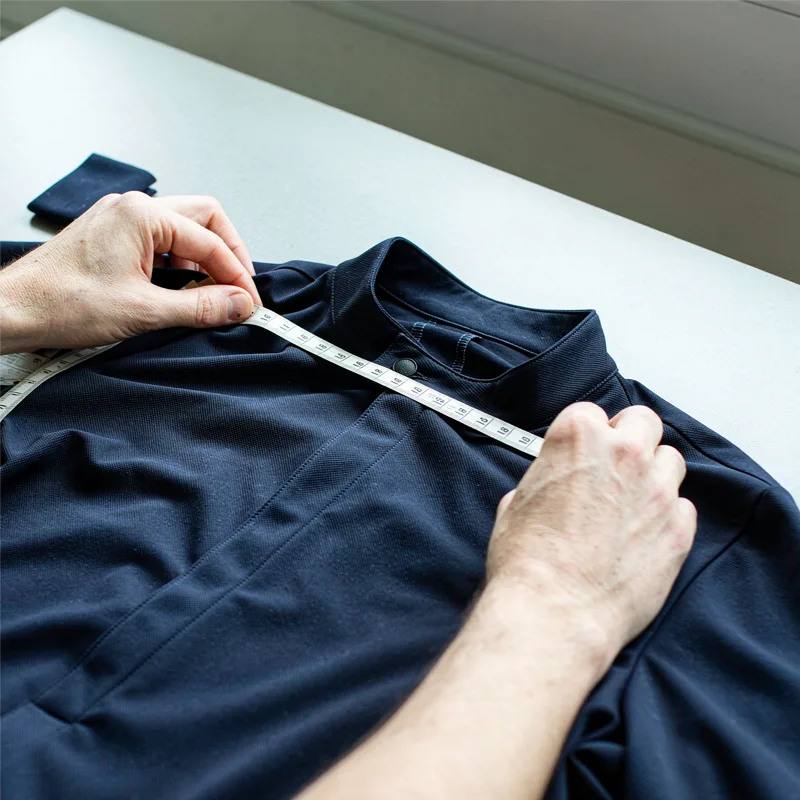
A sample is one of the most practical ways to assess an OEM partner. It shows how well the supplier translates your specifications into a physical garment.
Check the sample against your requirements:
- Fabric composition and weight
- Measurements and fit
- Stitching and seam consistency
- Color and surface appearance
- Zippers, buttons, and other trims
- Logo placement and labels
- Finishing and packaging requirements
For example, a jacket sample may look correct but have sleeves that do not meet the approved measurements. Record the discrepancy, request a revision, and approve the corrected sample before bulk production.
Keep the final specifications and approval records in writing. This gives both parties a clear reference during manufacturing and repeat orders.
4. Compare OEM Quotes Beyond Unit Price
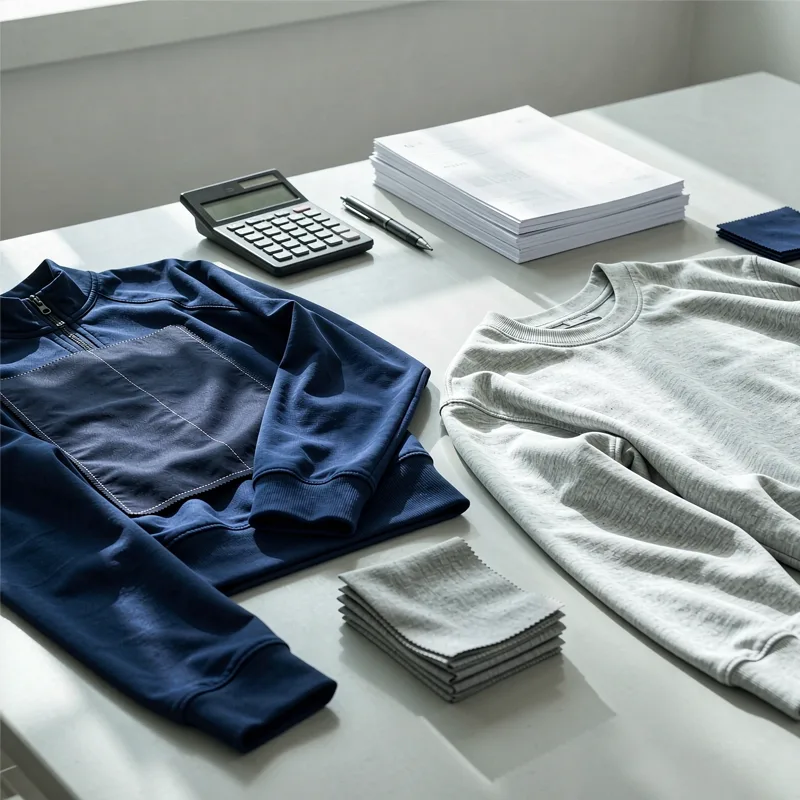
Two quotations are only comparable when they cover the same product requirements.
| Cost factor | What to confirm |
|---|---|
| Audinys | Composition, weight, color, and sourcing |
| Garment construction | Design details, seams, lining, and finishing |
| Prekės ženklo kūrimas | Printing, embroidery, labels, and hangtags |
| Mėginių ėmimas | Sample charges and revision terms |
| Kokybės kontrolė | Inspection scope and acceptance criteria |
| Pakuotė | Individual packing and custom packaging |
| Pristatymas | Production lead time and shipping terms |
A lower unit price may exclude items included in another supplier’s quote. Ask each manufacturer to clarify inclusions, exclusions, MOQ, payment terms, and estimated production timing before making a decision.
5. Check Communication, Lead Time, and Quality Control
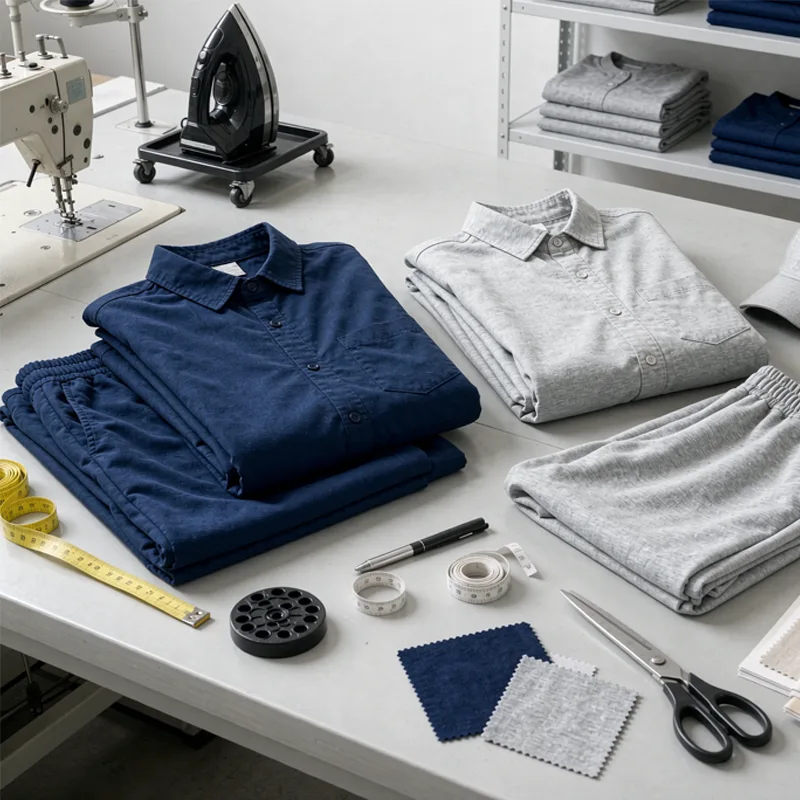
Long-term OEM cooperation depends on more than product quality. The manufacturer also needs a clear process for handling changes and resolving problems.
Before confirming an order, ask:
- Who is your main contact during development and production?
- How will material or specification changes be approved?
- At what stages are quality checks performed?
- How will defects or deviations be reported?
- How are production delays communicated?
- What records are retained for repeat orders?
A reliable partner should explain its process and limitations clearly. Treat vague answers, unexplained price changes, and pressure to skip sample approval as reasons to investigate further.
6. Use a Checklist to Shortlist OEM Partners
Compare potential manufacturers against the same criteria instead of relying on impressions.
| Evaluation area | Evidence to request |
|---|---|
| Patirtis su produktu | Relevant product examples |
| Technical capability | Tech pack review and development feedback |
| Sample quality | Sample checked against written specifications |
| Kokybės kontrolė | Inspection steps and defect-handling process |
| Pricing | Itemized quotation with clear exclusions |
| Komunikacija | Clear answers and documented changes |
| Gamybos planavimas | Confirmed MOQ and realistic lead-time estimate |
You can also review this guide to choosing an OEM clothing manufacturer in China for a broader supplier comparison framework.
7. What to Include in Your First OEM Inquiry
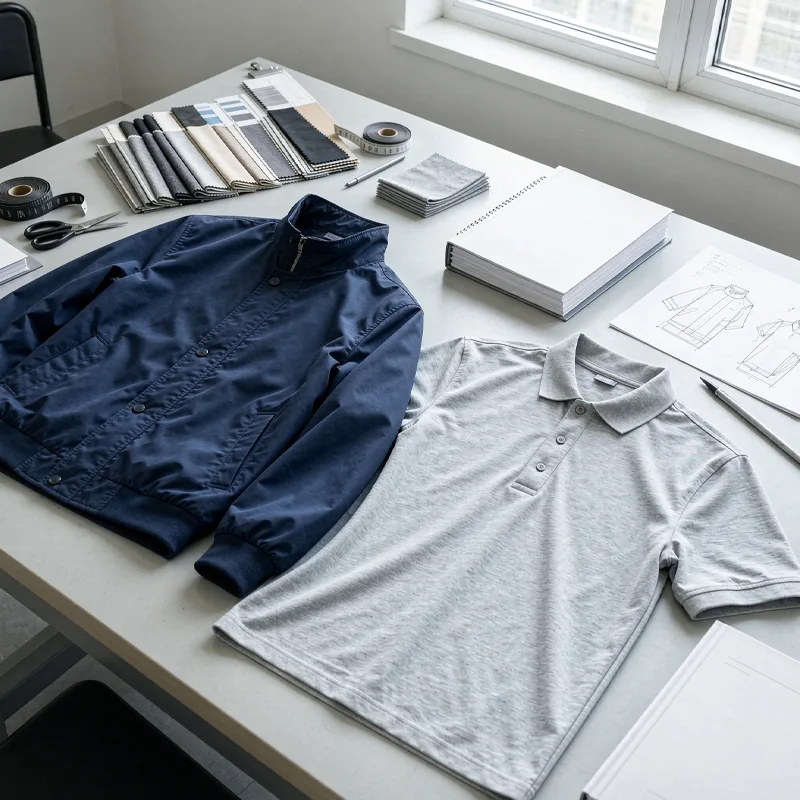
To receive a useful quotation, prepare a clear product brief. Include as much of the following information as possible:
- Product category and reference images
- Tech pack or existing garment sample
- Fabric composition and weight, if known
- Colors, size range, and customization details
- Logo, label, and packaging requirements
- Estimated quantity by style and color
- Target delivery date and destination market
If some details are not finalized, explain what is confirmed and what needs the manufacturer’s advice. This helps the supplier identify missing information before quoting.
For brands exploring OEM production and apparel development, you can visit KALAIBEN’s website to learn more about the company and its apparel manufacturing focus.
Final Thoughts
The right experienced clothing OEM partner should demonstrate relevant product knowledge, consistent sample execution, transparent pricing, and a clear production process. Verify these capabilities before committing to bulk production, and use written specifications and sample approvals to reduce avoidable misunderstandings.
A strong partnership starts with clear requirements, realistic expectations, and evidence—not promises alone.











