




Garment Factory OEM ODM: How to Choose the Right Manufacturing Partner
Publicēšanas datums:2026-10-15 Kategorija:Ziņas Apskates skaits:271
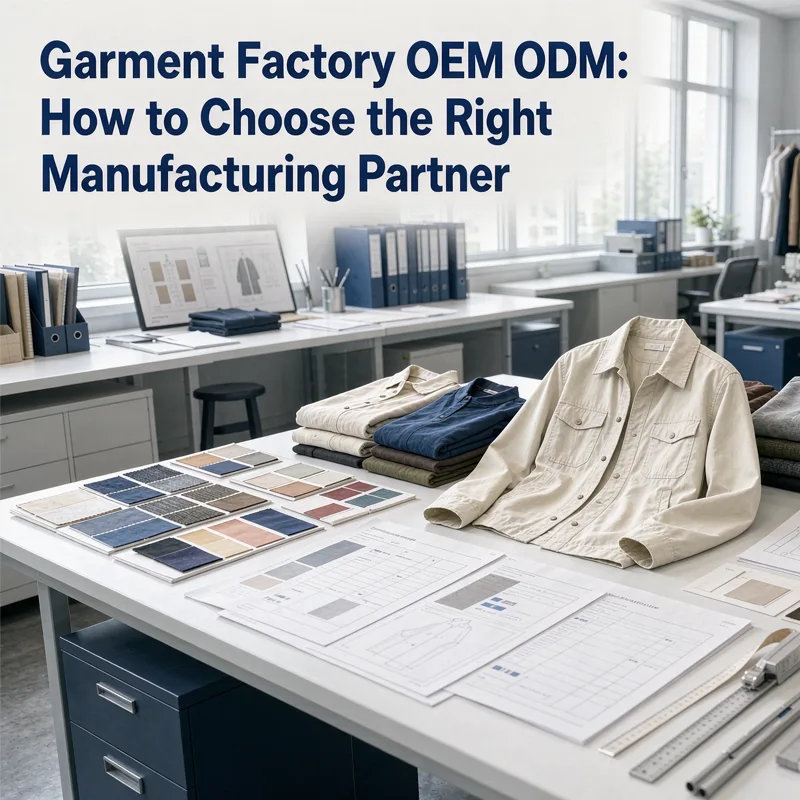
How to Choose a Reliable Partner
Learn how to choose a garment factory OEM ODM partner. Understand OEM vs ODM, production process, quality control, MOQ, and supplier evaluation tips.
Pareizās izvēles izdarīšana garment factory OEM ODM partner is one of the most important decisions for clothing brands. A reliable factory should not only produce garments but also support product development, material selection, sampling, quality control, and bulk production.
The right manufacturing partner helps brands reduce development risks, maintain product consistency, and build a stable supply chain.
However, not every clothing factory offers the same OEM and ODM capabilities. Understanding how to evaluate suppliers before production can save significant time and cost.
1. What Is a Garment Factory OEM ODM Partner?
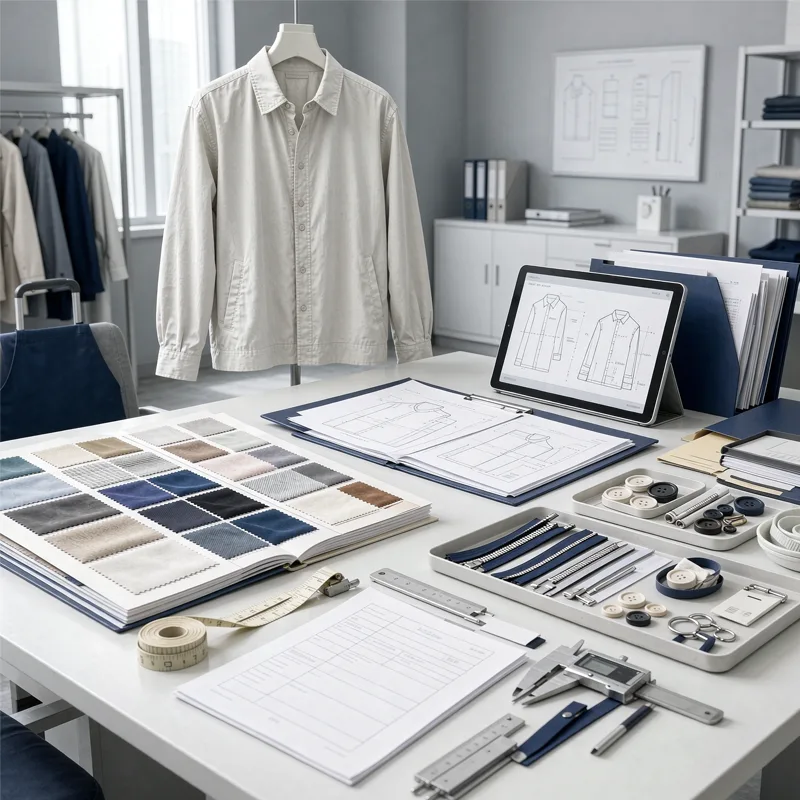
A garment factory OEM ODM partner provides clothing production services based on different levels of buyer involvement.
OEM (Original Equipment Manufacturing)
OEM means the buyer provides the product specifications, and the factory manufactures according to those requirements.
The buyer usually provides:
- Tech pack
- Mērījumi
- Prasības attiecībā uz audumu
- Etalona paraugi
- Construction details
The factory handles:
- Pattern making
- Auduma iepirkšana
- Cutting and sewing
- Production
- Quality inspection
OEM is suitable for brands that already have a clear product design.
ODM (Original Design Manufacturing)
ODM allows brands to develop products with more support from the manufacturer.
The factory may help with:
- Existing style selection
- Produkta uzlabošana
- Ieteikumi par audumu
- Modeļu izstrāde
- Parauga izveide
- Production preparation
ODM is suitable for brands that have an idea, reference image, or market direction but need manufacturing expertise to develop the product.
2. OEM vs ODM: Which Manufacturing Model Is Better?
The best choice depends on your product development stage.
| Requirement | OEM | ODM |
|---|---|---|
| Starting point | Complete design | Product idea or reference |
| Design control | Augstāks | Shared development |
| Factory support | Production focused | Development focused |
| Best for | Atpazīstami zīmoli | New collections or expanding brands |
| Development speed | Depends on design readiness | Usually faster for similar styles |
Piemēram:
A brand with a complete technical package for a waterproof jacket may choose OEM production.
A brand that wants to launch a fleece jacket collection but needs help selecting fabric, construction, and details may choose ODM.
Many experienced factories support both models depending on the buyer's needs.
3. What Services Should a Professional Garment Factory Provide?
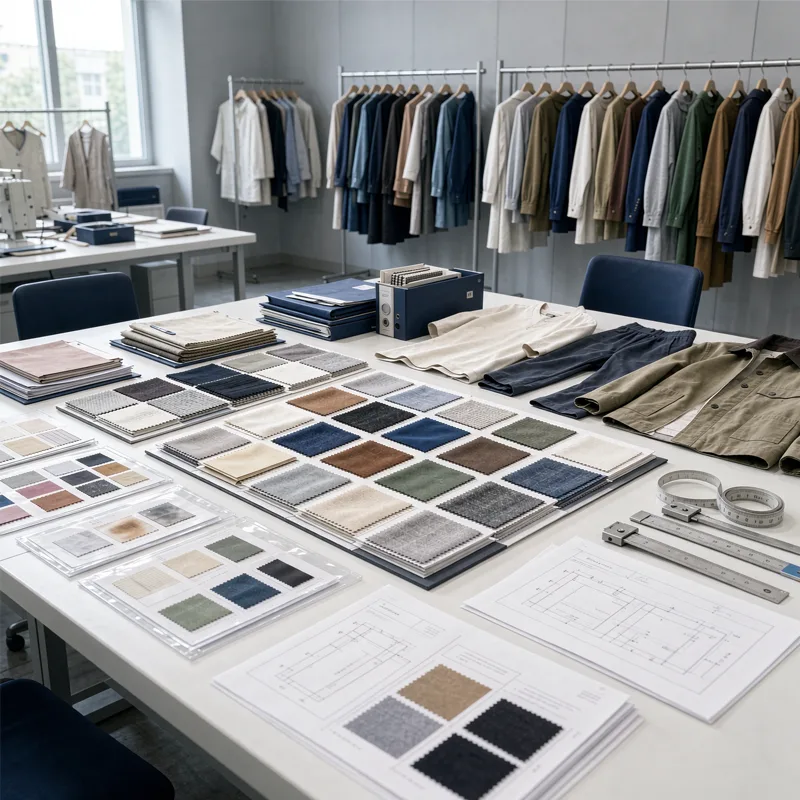
A capable OEM ODM factory should support the complete production process.
3.1 Product Development
Before production starts, the factory should review:
- Produkta specifikācijas
- Prasības attiecībā uz audumu
- Construction details
- Size grading
- Ražošanas iespējamība
Experienced manufacturers can identify potential issues before sampling.
For example, changing fabric weight may affect garment shape, stitching methods, and final production cost.
3.2 Fabric and Material Sourcing
Fabric selection directly affects garment quality.
Svarīgākie faktori ir šādi:
- Šķiedru sastāvs
- GSM
- Stiepšanās līmenis
- Izturība
- Krāsu viendabīgums
- Washing performance
A professional factory should recommend suitable materials based on product usage instead of only choosing the cheapest option.
3.3 Sample Development
Sampling is one of the most important stages in OEM ODM manufacturing.
The typical process includes:
- First sample creation
- Fit atsauksme
- Modification requests
- Revised sample
- Galīgā apstiprināšana
Before bulk production, check:
- Mērījumi
- Auduma kvalitāte
- Šūšana
- Logo placement
- Apdares elementi
- Vispārējais izskats
The approved sample becomes the production reference.
4. How to Evaluate a Garment Factory OEM ODM Supplier?
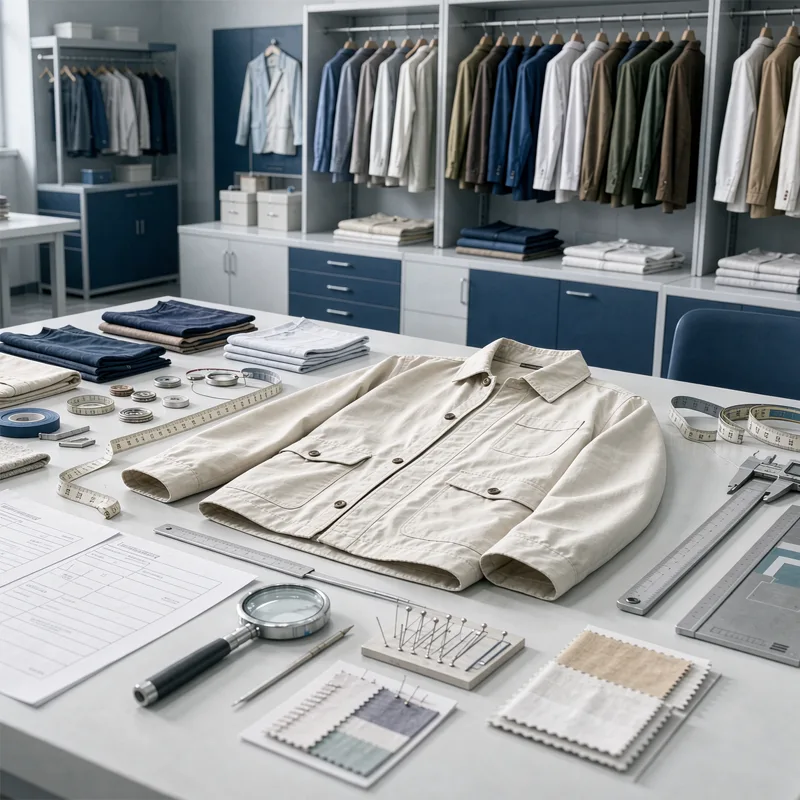
Choosing a factory only based on price can create problems later.
Consider these factors:
4.1 Product Experience
A factory should have experience with your product category.
Examples:
- Hoodies require knowledge of fleece fabrics and construction.
- Activewear requires stretch fabric experience.
- Jackets require experience with functional materials and complex details.
Relevant experience reduces development mistakes.
4.2 Production Capability
Jautājums:
- What products do you specialize in?
- What production processes are available?
- Can you handle my expected order volume?
- Do you manage production internally?
A factory that understands your product type is more likely to deliver consistent results.
4.3 Quality Control System
Quality should be managed throughout production.
Check whether the factory inspects:
- Fabric before production
- Cutting accuracy
- Sewing quality
- Mērījumi
- Finished garments
- Iepakojums
Quality control should not only happen after production is completed.
4.4 Communication Process
Good communication is essential for international manufacturing.
A reliable partner should provide:
- Clear quotations
- Production updates
- Sample feedback
- Problem solutions
- Timeline management
Manufacturing issues often happen because specifications are unclear, not because production is impossible.
5. What Information Should You Prepare Before Contacting a Factory?
A detailed inquiry helps factories provide accurate feedback.
Sagatavošanās:
- Preču kategorija
- Atsauces attēli
- Tech pack (if available)
- Prasības attiecībā uz audumu
- Krāsas
- Izmēru klāsts
- Daudzums
- Logo requirements
- Packaging needs
- Plānotais piegādes datums
The more information you provide, the easier it is for the factory to evaluate production feasibility.
6. How Does the OEM ODM Clothing Production Process Work?
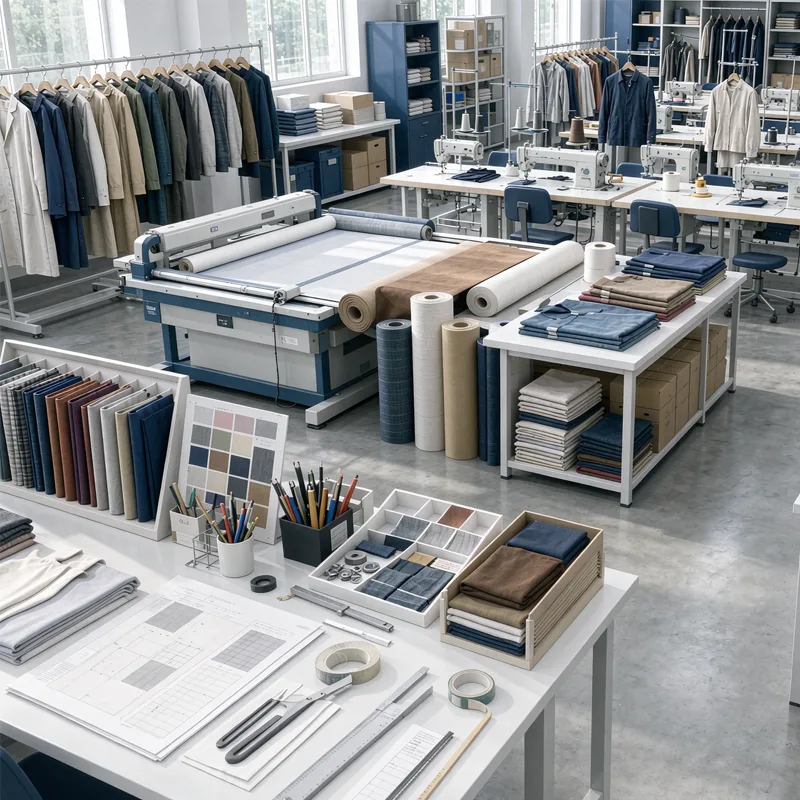
A typical process includes:
Step 1: Requirement Review
The factory reviews your product details and confirms requirements.
Step 2: Material Selection
Fabric, trims, labels, and accessories are confirmed.
Step 3: Sample Development
The factory creates samples for approval.
4. solis: Masveida ražošana
After approval, production begins.
Step 5: Quality Inspection
Finished garments are checked before shipment.
Step 6: Delivery
Products are packed and shipped according to agreed requirements.
A structured workflow helps reduce unexpected production problems.
7. How Much MOQ Does a Garment Factory Usually Require?
MOQ depends on:
- Preču kategorija
- Auduma pieejamība
- Customization level
- Krāsas
- Production complexity
There is no universal MOQ for OEM ODM clothing.
Some factories support smaller development orders, while others focus on larger production runs.
Before comparing suppliers, confirm:
- MOQ per style
- MOQ per color
- Sample cost
- Production lead time
- Repeat order requirements
8. Common Mistakes When Choosing an OEM ODM Factory
Choosing Only the Lowest Price
A cheaper quotation may exclude important details such as fabric quality, packaging, or quality inspection.
Skipping Sample Approval
Never start bulk production without confirming the final sample.
Not Checking Production Experience
A factory experienced in basic apparel may not be suitable for complex products.
Providing Incomplete Information
Unclear specifications increase communication problems and production delays.
9. Building a Long-Term Relationship With Your Garment Factory
Successful apparel brands usually work with suppliers that understand their products over time.
A long-term OEM ODM partner can help with:
- Faster product development
- Pastāvīga kvalitāte
- Better production planning
- Easier repeat orders
The goal is not only to complete one order but to create a reliable manufacturing process.
For brands looking for professional apparel production support, you can learn more about KALAIBEN’s garment manufacturing capabilities.
Final Thoughts
A reliable garment factory OEM ODM partner should provide more than production capacity.
The right factory combines product knowledge, development experience, quality control, and communication ability.
Before choosing a supplier, evaluate their OEM and ODM capabilities, review samples carefully, and confirm every production detail.
A strong manufacturing partnership helps transform clothing ideas into reliable market-ready products.











