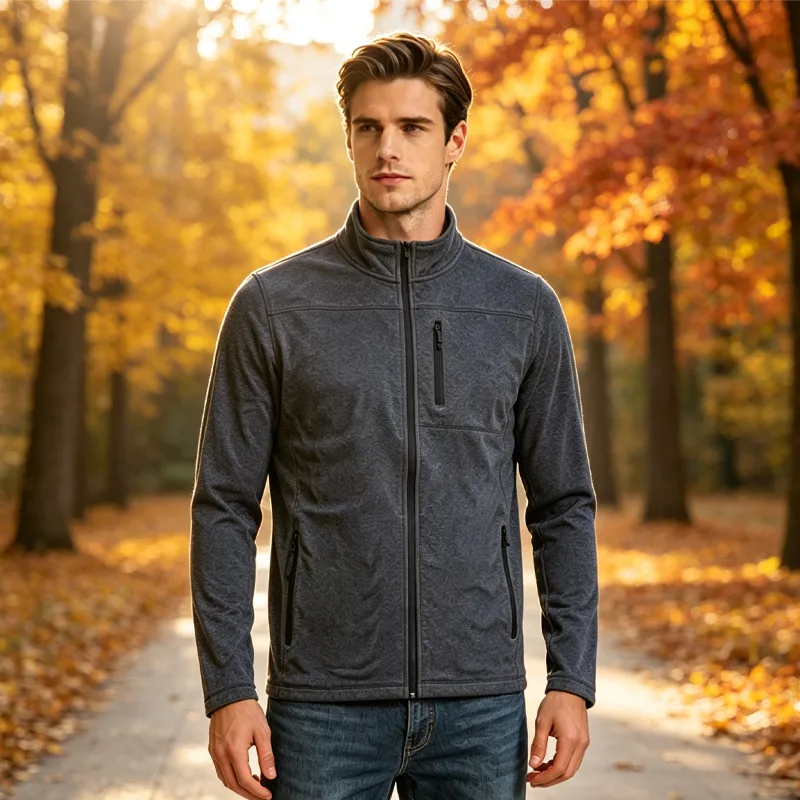
Men's Toothpick Stripes Fleece Jacket: Why 90/10 Polyester-Spandex Outperforms Cotton Fleece
Data publicării:2026-09-22 Categorie:ȘTIRI Număr de vizualizări:474
When sourcing men's fleece jackets for a brand program, most buyers default to cotton or cotton-blend fleece. After all, cotton has a reputation for being the "premium" natural choice. But for outerwear that needs to deliver warmth, flexibility, and long-term shape retention, 280GSM polyester-spandex fleece—especially in the toothpick stripes construction—consistently outperforms.
This guide breaks down exactly why, with the technical data you need to make an informed sourcing decision.
What Is Toothpick Stripes Fleece?
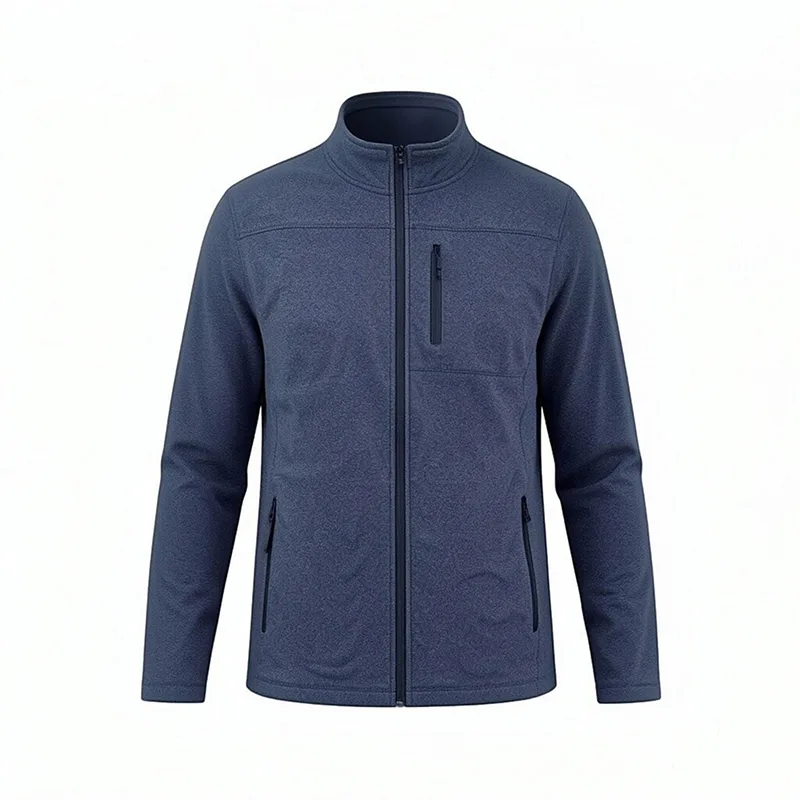
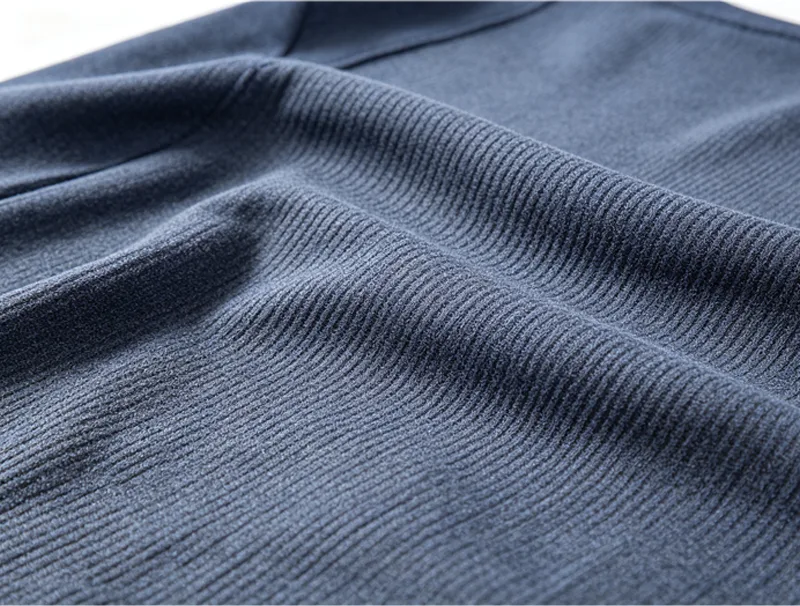
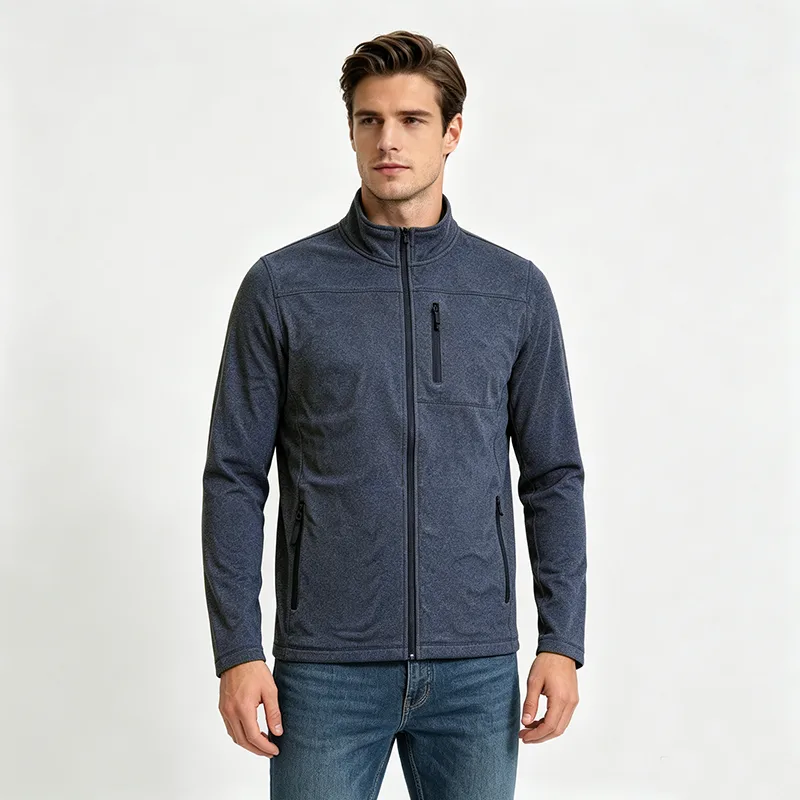
Toothpick stripes fleece is a knitted fabric characterized by a fine, linear texture that runs across the surface of the fabric—hence the name "toothpick." The construction combines 90% polyester with 10% spandex, creating a fabric that is both insulating and highly elastic.
Understanding the 90/10 blend:
The 90% polyester content provides the fabric's warmth, durability, and moisture-wicking properties. Polyester fleece is inherently better at repelling moisture than cotton and maintains its shape far longer. The 10% spandex is what sets this fabric apart from standard fleece. Spandex is knit directly into the fabric structure—not applied as a surface treatment—so the stretch and recovery survive washing and repeated wear. This means the jacket moves with the body, resists bagging at the elbows and cuffs, and returns to its original shape after stretching.
What makes the "toothpick" texture unique:
Unlike standard polar fleece with a flat or brushed surface, toothpick stripes fleece features a subtle ribbed, linear pattern created during the knitting process. This structure provides several practical advantages:
- Enhanced visual depth — the linear texture adds a refined, premium look compared to plain fleece
- Improved drape and structure — the knitted lines give the fabric a directional flow that supports cleaner silhouettes
- Better breathability — the linear channels allow air circulation while maintaining insulation
At 280GSM, this fabric sits at the upper end of midweight fleece. It's heavy enough to feel substantial and hold a structured shape, yet light enough for extended seasonal wear without overheating.
Polyester-Spandex Fleece vs Cotton Fleece: 5 Key Differences
1. Warmth & Heat Retention
The brushed fleece interior traps air within its raised fiber structure, creating an insulating layer that flat cotton fabric cannot match. The polyester component adds loft without bulk, which is why a 280GSM polyester fleece jacket feels warmer than an equivalent-weight cotton sweatshirt while remaining lighter overall. Polyester fleece maintains heat and provides good insulation far better than cotton, which is more porous and loses heat more easily.
2. Stretch & Shape Recovery
This is where the 10% spandex is the game-changer. Cotton fleece has virtually no stretch—it resists movement and eventually bags out at stress points like elbows, shoulders, and cuffs. Polyester-spandex fleece, by contrast, delivers 4-way stretch that allows unrestricted movement while maintaining the garment's original silhouette. Spandex knit into the fabric structure provides recovery after stretching, meaning the jacket returns to its original shape after wear and washing.
3. Moisture Management & Quick-Drying
Polyester fleece does a significantly better job of repelling moisture than cotton fleece. Where cotton absorbs sweat and becomes heavy and damp, polyester-spandex fleece wicks moisture away from the body and dries quickly. For outdoor wear, commuting, and active layering, this translates to consistent comfort throughout the day.
4. Durability & Pilling Resistance
Pure cotton fleece is the most prone to pilling and deformation. Polyester-spandex fleece with a quality anti-pilling finish resists surface fuzz and maintains its appearance after repeated washing. Factories sourcing quality fleece fabrics typically subject them to anti-pilling tests (ISO 12945) and colorfastness scores (ISO 105) to verify performance before bulk production.
5. Weight-to-Warmth Ratio
Polyester fleece delivers more warmth per gram than cotton fleece. This means a 280GSM polyester-spandex jacket can provide the same insulation as a heavier cotton fleece garment—with less weight and bulk. For men's outerwear where comfort and mobility matter, this is a decisive advantage.
Quick Comparison Table
| Factor | 280GSM Polyester-Spandex Fleece | 100% Cotton Fleece |
|---|---|---|
| Composition | 90% Polyester / 10% Spandex | 100% Cotton |
| Warmth-to-weight | Excellent | Moderat |
| Stretch & recovery | 4-way stretch, high recovery | Minimal stretch, poor recovery |
| Moisture wicking | Excellent — quick-drying | Poor — absorbs and retains moisture |
| Shape retention | Excellent | Poor — bags at stress points |
| Pilling resistance | Good (with anti-pilling finish) | High pilling risk |
| Respirabilitate | Good — linear channels aid airflow | Excellent |
| Cel mai potrivit pentru | Men's jackets, outdoor, activewear | Casual sweatshirts, indoor wear |
Why 280GSM Is the Sweet Spot for Men's Fleece Jackets
In fleece manufacturing, 280GSM strikes the optimal balance between warmth, structure, and production cost for men's fleece jackets. Polar fleece at 260–280 GSM delivers the best balance of warmth and cost—anything over 320 GSM raises the price significantly with minimal insulation gain.
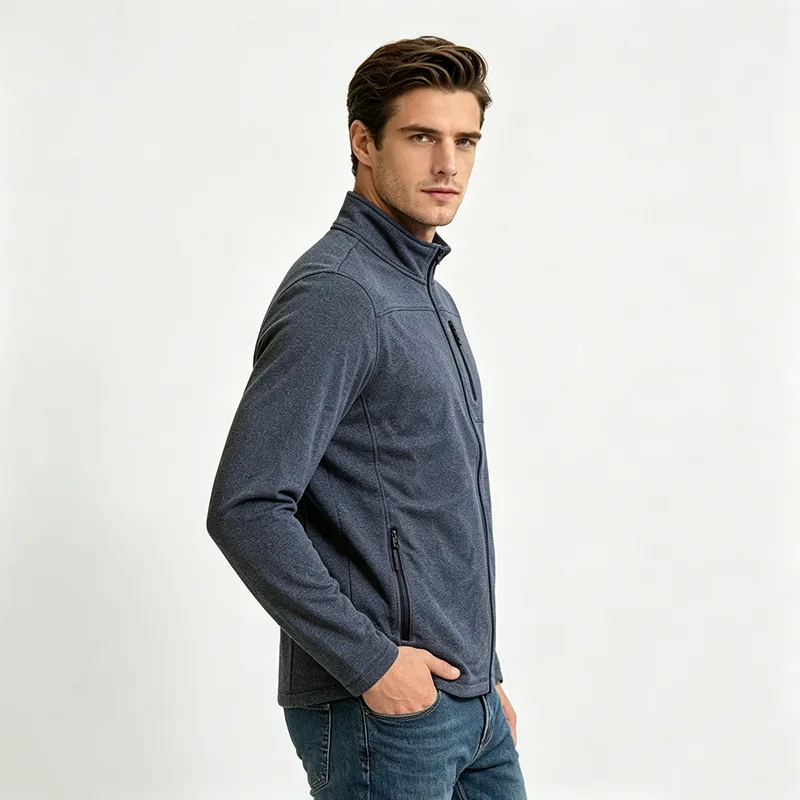
For the toothpick stripes construction specifically, 280GSM allows the linear texture to read clearly without the fabric becoming stiff or rigid. The result is a jacket that feels substantial and premium, drapes cleanly, and maintains its structure across sizes S–2XL.
B2B Sourcing Guide: What Buyers Should Verify
GSM consistency. Industry-standard tolerance is ±5 GSM. Inconsistent fabric weight between batches signals poor mill control and will cause fit variation across production runs.
Stretch recovery. Ask for test data on stretch recovery after repeated washing. Spandex knit into the fabric structure should retain its elasticity after 20+ wash cycles. Request wash test reports showing shrinkage below 5%.
Pilling & colorfastness. Verify that the fabric has passed pilling resistance testing (Martindale >3,000 cycles recommended) and colorfastness testing per ISO 105 standards.
Sampling and pre-production approval. Always evaluate a physical sample before bulk. Check the hand feel of the toothpick texture, verify the 4-way stretch, and confirm that the inner fleece pile is dense and consistent. At Kalaiben, the sampling stage includes fabric hand-feel verification and GSM measurement before bulk cutting begins—a standard step that prevents costly revisions later.
MOQ considerations. For full custom production of men's fleece jackets, industry MOQs typically range from 500–1,000 units per color. Some factories offer flexible MOQs for hybrid models using stock fabric bases.
FAQ
Q: Is polyester-spandex fleece as soft as cotton fleece?
A: Cotton fleece has a softer initial hand-feel, but polyester-spandex fleece is known for its plush, smooth texture. More importantly, the polyester-spandex blend retains its softness longer without pilling, while cotton fleece tends to develop fuzz and pills over time.
Q: What GSM is best for a men's fleece jacket?
A: 280GSM is the most versatile midweight option. It provides excellent warmth-to-weight ratio without the bulk of heavier fleece. For colder climates, 300–320GSM can be considered, though cost increases significantly.
Q: Can toothpick stripes fleece be embroidered or printed?
A: Yes. The smooth outer surface of toothpick stripes fleece accepts both embroidery and screen printing well. The fabric density supports detailed stitching without puckering.
Q: What is the typical MOQ for custom toothpick fleece jackets?
A: Industry MOQs range from 500–1,000 units per color for full custom production. Some factories offer lower minimums for hybrid models using stock fabric bases.
Concluzie
For men's fleece jacket programs that demand warmth, flexibility, and long-term durability, 280GSM polyester-spandex fleece in the toothpick stripes construction delivers an optimal balance—superior stretch and shape recovery compared to cotton fleece, better moisture management, and a distinctive linear texture that reads as premium.
The key is verifying the fabric's GSM consistency, stretch recovery, pilling performance, and shrinkage control before committing to bulk production.
If you're sourcing custom fleece jackets and want to evaluate fabric samples against your brand's specifications, you can explore Kalaiben's manufacturing capabilities at https://www.kalaiben.com/. Their team provides fabric swatches, GSM verification, and pre-production samples as part of the standard development process