




Existing Styles ODM Clothing: How to Customize Ready-Made Designs for Your Brand
Dátum zverejnenia:2026-10-13 Kategória:SPRÁVY Počet zobrazení:405
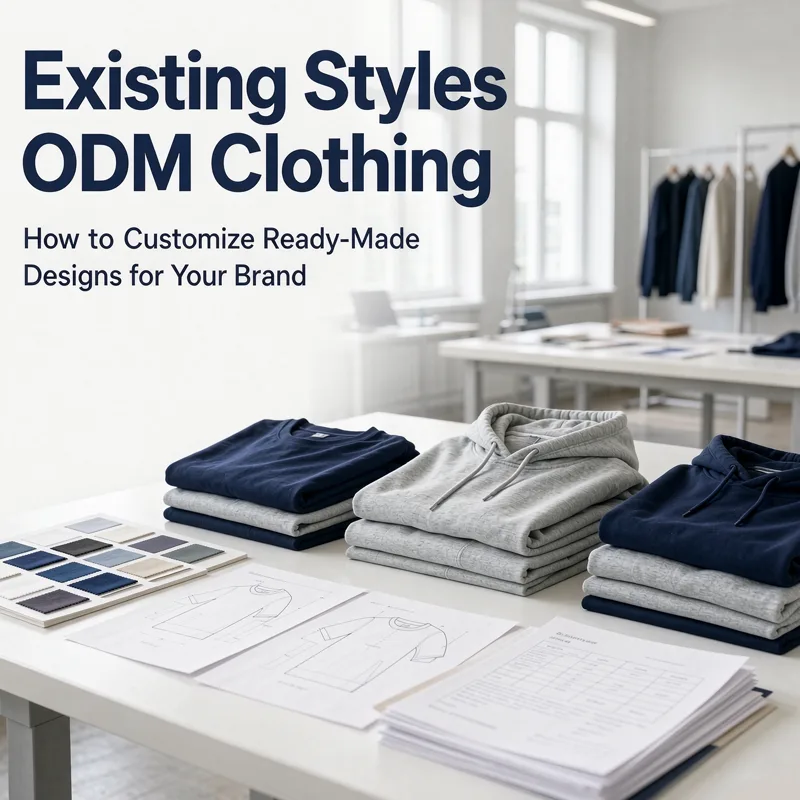
Existing Styles ODM Clothing: A Guide for Apparel Brands
Explore existing styles ODM clothing to launch your apparel line faster. Learn how to customize fabrics, colors, logos, labels, MOQ, and samples before bulk production.
If you want to launch a clothing collection without developing every design from scratch, existing styles ODM clothing can be a practical option. You select a garment style from a manufacturer's existing collection, then customize selected details to match your brand.
Depending on the supplier, you may be able to change fabric, color, trims, logos, labels, and packaging. This approach can reduce development work, but the available options and minimum order quantity depend on the garment and factory.
1. What Is Existing Styles ODM Clothing?
Existing styles ODM clothing allows brands to start with a manufacturer's pre-developed garment design instead of creating a completely new style.
The manufacturer already has a base design or pattern. You choose a suitable style and discuss which details can be adjusted.
Common options include:
- T-shirts, polos, hoodies, and sweatshirts
- Jackets, fleece garments, and outerwear
- Pants, shorts, and casual apparel
- Custom colors, logos, labels, and packaging
This model is useful for brands that have a clear target customer but do not need a completely original garment pattern for every product.
The key advantage is starting with an existing design while still building a recognizable brand identity.
2. What Can You Customize in an Existing ODM Style?
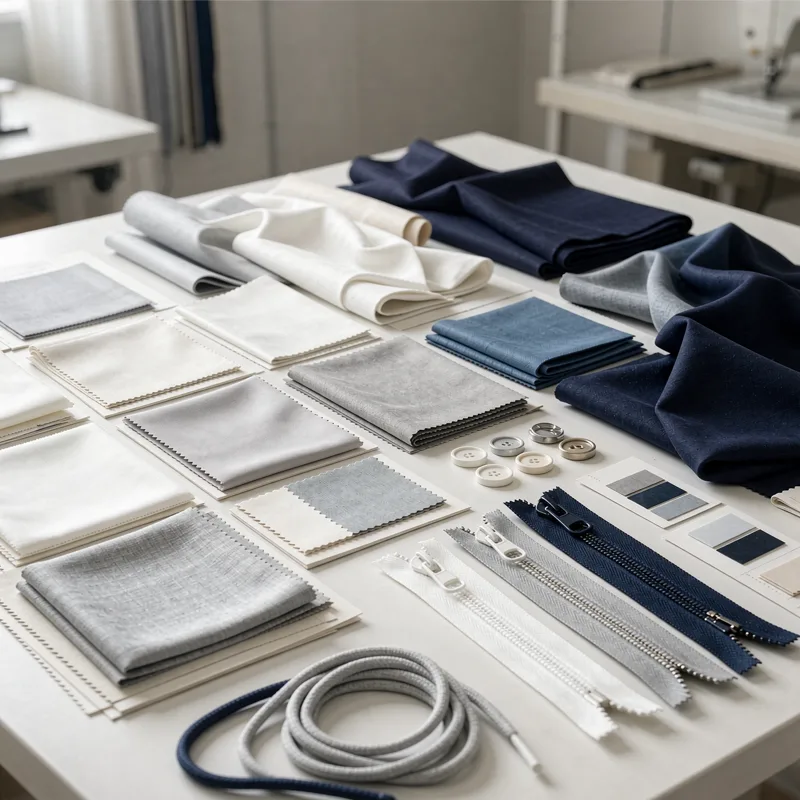
Customization depends on the factory's capabilities, available materials, and order quantity.
2.1 Fabric and Color
You may be able to select from available fabrics or request alternative materials.
Before confirming, check:
- Fabric composition and GSM
- Texture, stretch, and hand feel
- Available colors
- Shrinkage and colorfastness requirements
- Fabric availability for repeat orders
Using an available fabric and color may simplify development. Custom-dyed fabrics or special finishes may require higher minimum quantities or additional lead time.
2.2 Logo and Branding
Branding options may include embroidery, screen printing, heat transfer, woven labels, and printed care labels.
Ask the manufacturer which methods suit your garment and artwork. Approve logo size, placement, and color on a physical sample before bulk production.
2.3 Trims and Packaging
Depending on the style, you may also customize zippers, buttons, drawcords, hangtags, polybags, and carton markings.
Confirm which components are standard and which require special sourcing.
2.4 Fit and Construction
Some manufacturers allow limited changes to sleeve length, garment length, pockets, cuffs, or other details.
However, major silhouette or construction changes may require new pattern work. At that point, a project may move beyond simple ODM customization toward more extensive OEM development.
3. How to Choose the Right Existing Style
Do not choose a style based on appearance alone. It should suit your target customer, price position, and intended use.
Evaluate these four factors:
- Target market: Does the style fit your customers' preferences and climate?
- Fabric performance: Does the material meet your expectations for comfort, durability, and function?
- Customization scope: Can the manufacturer make the changes that matter to your brand?
- Repeatability: Can the style and key materials be sourced consistently for future orders?
For example, a brand launching a fleece collection might select an existing jacket silhouette, choose a suitable fabric weight, add custom embroidery, and apply branded labels. This can avoid developing an entirely new jacket pattern if the base style already meets the product requirements.
4. What Is the Process for Existing Styles ODM Clothing?
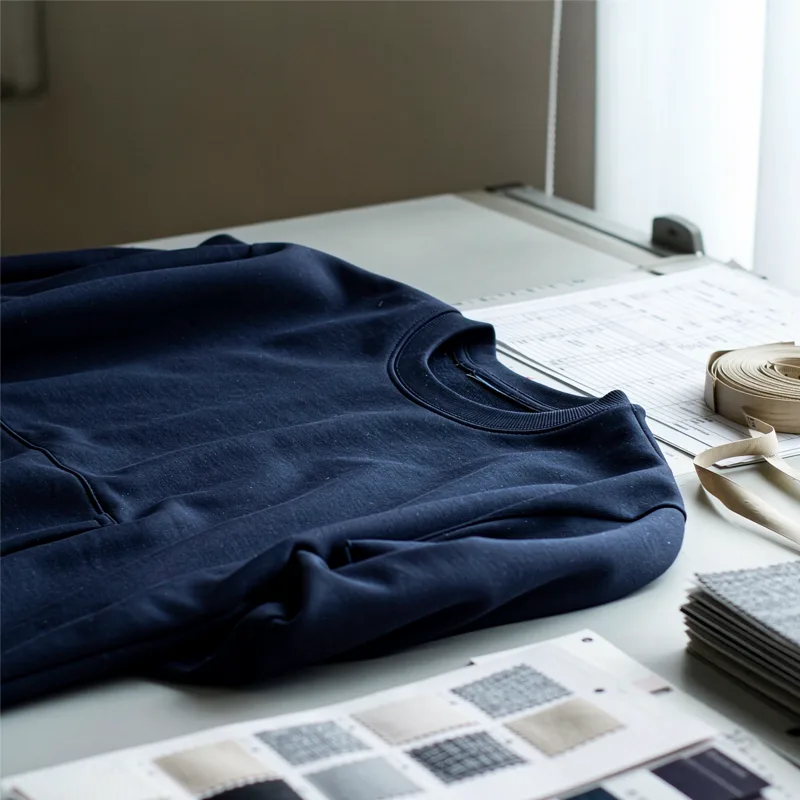
A typical project follows these steps:
- Select a base style. Share the product reference or style number.
- Confirm customization. Agree on fabric, color, logo, labels, trims, and packaging.
- Request a quotation. Confirm MOQ, pricing, sampling fees, and estimated lead time.
- Review a sample. Check fit, materials, branding, and finishing.
- Approve specifications. Confirm the final sample and production details in writing.
- Start bulk production. The manufacturer produces according to the approved requirements.
- Inspect and ship. Check workmanship, measurements, branding, and packing.
An existing style does not automatically mean ready stock. Many ODM suppliers manufacture the customized garments after the order is confirmed.
5. How Much MOQ Do You Need?
There is no universal MOQ for existing styles ODM clothing.
Supplier policies vary. For example, Qiandao Apparel states that its logo or label customization can start from 50 pieces per style, while full custom development starts from 100 pieces per style. These are that supplier's stated terms, not an industry-wide standard. Final requirements depend on the project.
Your MOQ may depend on:
- Garment category
- Dostupnosť látok
- Počet farieb
- Logo technique
- Custom trims and labels
- Packaging requirements
- Quantity per style and color
When requesting a quote, ask whether the minimum applies per style, per color, or per order. Also confirm whether sizes can be mixed within the order.
6. How to Compare ODM Quotes
A lower unit price does not always represent better value. Compare quotes using the same product requirements.
| Cost factor | What to confirm |
|---|---|
| Base garment | Style, fabric, GSM, and construction |
| Prispôsobenie | Logo method, labels, trims, and color changes |
| Množstvo | MOQ per style and color |
| Odber vzoriek | Sample fees and revision arrangements |
| Balenie | Hangtags, polybags, and cartons |
| Production | Lead time and quality checks |
| Shipping | Trade terms and destination costs |
Ask the manufacturer to identify any excluded costs before you approve the order. This helps prevent unexpected charges during development or production.
7. What Should You Check Before Bulk Production?existing style ODM clothing sample review before bulk production
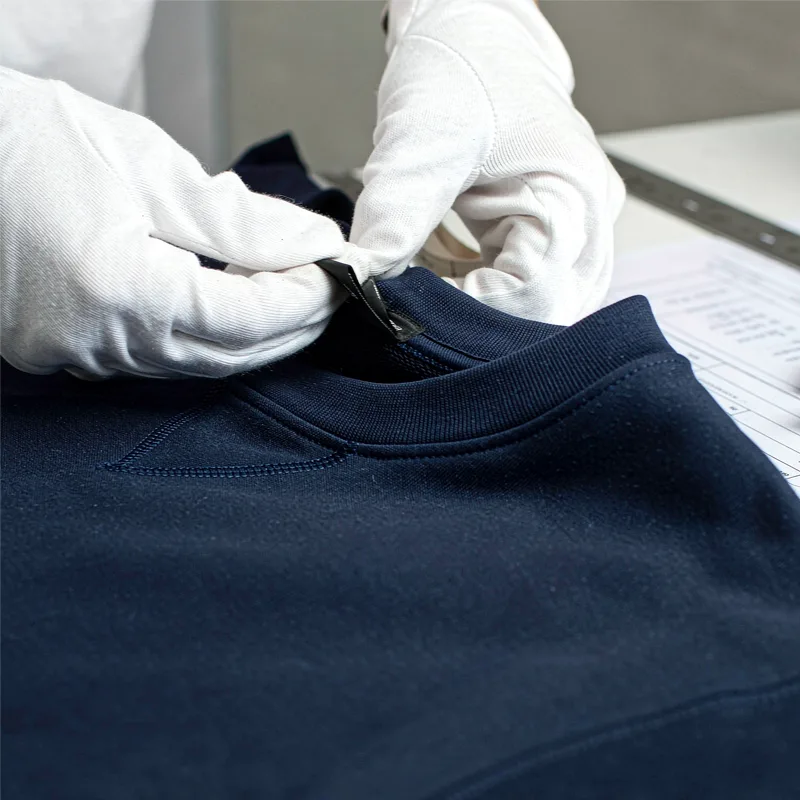
Even when you start from an existing style, you should approve a sample that reflects the agreed customization.
Skontrolujte:
- Fit and measurements
- Fabric composition and hand feel
- Farba odevu
- Logo size, color, and position
- Label and trim details
- Stitching and finishing
- Packaging requirements
Record the approved specifications and use the approved sample as the reference for bulk production. This is especially important if you plan to reorder the style in future seasons.
8. Existing Styles ODM vs. OEM: Which Is Better?
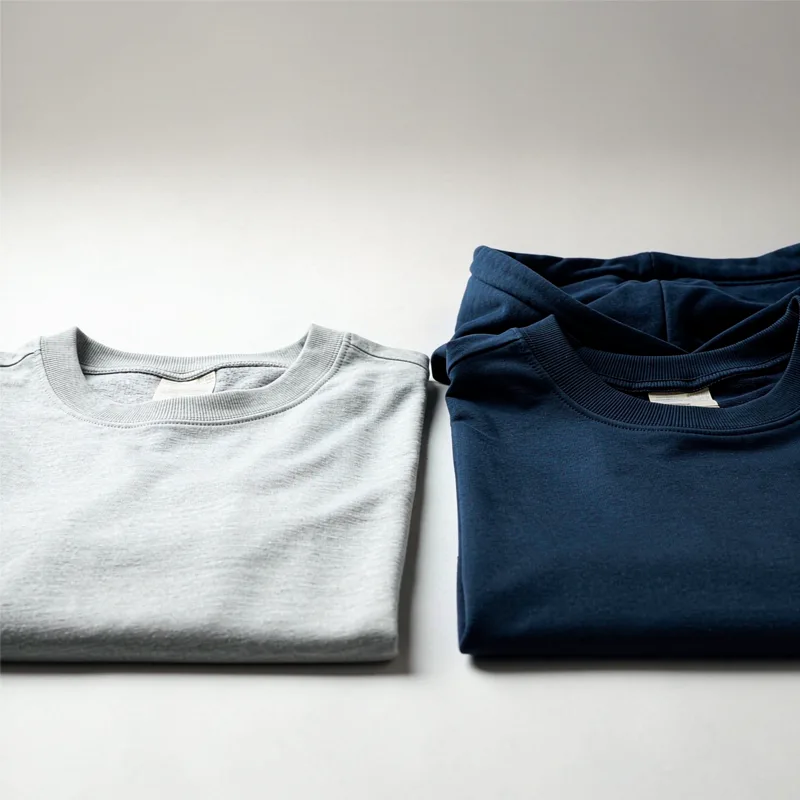
The right choice depends on how much of the product has already been developed.
| Requirement | Existing Styles ODM | OEM |
|---|---|---|
| Starting point | Manufacturer's existing style | Your design or specifications |
| Development work | Usually less for limited changes | Depends on the design |
| Prispôsobenie | Based on available options | Can follow detailed product specifications |
| Pattern changes | May be limited | More suitable for original construction |
| Najvhodnejšie pre | Faster branded product launches | Distinctive or highly specific products |
If the base style meets your needs, ODM may reduce initial development work. If you require a new silhouette, specialized construction, or precise technical specifications, OEM may be more suitable.
9. What Should You Send for an ODM Inquiry?
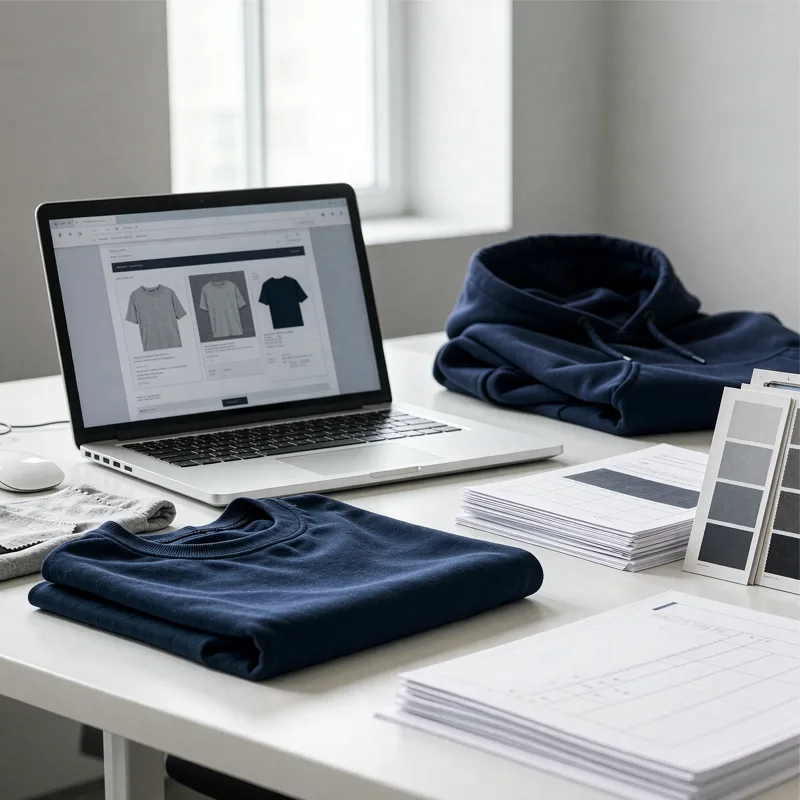
Prepare the following information to help the manufacturer evaluate your request:
- Reference photos or style numbers
- Product category
- Preferred fabric and colors
- Logo artwork and placement
- Label and packaging requirements
- Quantity per style and color
- Rozsah veľkostí
- Target delivery date
You do not need to finalize every detail before the first inquiry. Clearly identify what you already know and what you need the supplier to recommend.
10. Start Your Existing Styles ODM Project
Existing styles ODM clothing can help brands develop a branded collection without starting every garment from zero. The best results come from choosing the right base style, defining realistic customization requirements, reviewing a physical sample, and confirming the production specifications before bulk manufacturing.
If you are exploring apparel manufacturing options, you can visit KALAIBEN's website to learn more about the company and discuss whether its manufacturing capabilities fit your project.
For your initial inquiry, prepare a few reference styles, your target quantity, preferred materials, branding requirements, and delivery window. This gives the manufacturer a clearer basis for discussing feasibility and quotation.











