




Proizvajalec oblačil iz ekološkega bombaža: Priročnik za trajnostno proizvodnjo oblačil
Datum objave:2026-09-04 Kategorija:NOVICE Število ogledov:501
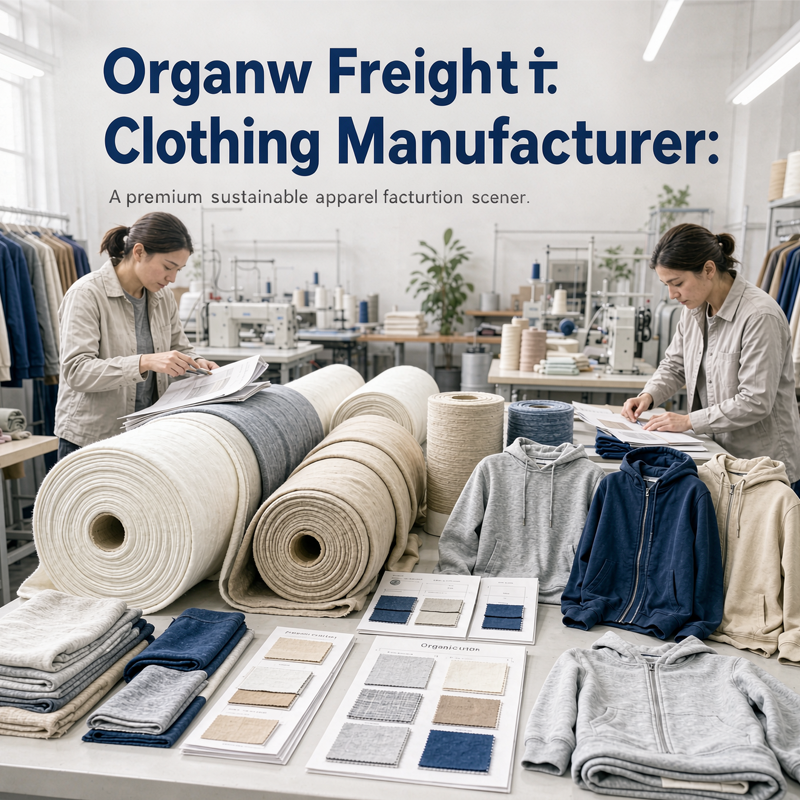
Introduction
Sustainability has become an important consideration for modern apparel brands.
As consumers become more aware of environmental impact and product origins, many clothing companies are looking for manufacturing partners that can support more responsible production methods.
Choosing the right organic cotton clothing manufacturer allows brands to develop garments using organic cotton materials while maintaining control over quality, design, and production standards.
However, sustainable apparel production involves more than selecting an organic fabric.
It requires careful consideration of:
- Material sourcing
- Fabric quality
- Manufacturing processes
- Supply chain transparency
- Nadzor kakovosti
- Product durability
For brands developing sustainable collections, understanding how organic cotton manufacturing works is an important step toward building reliable products and long-term supplier relationships.
1. What Is an Organic Cotton Clothing Manufacturer?
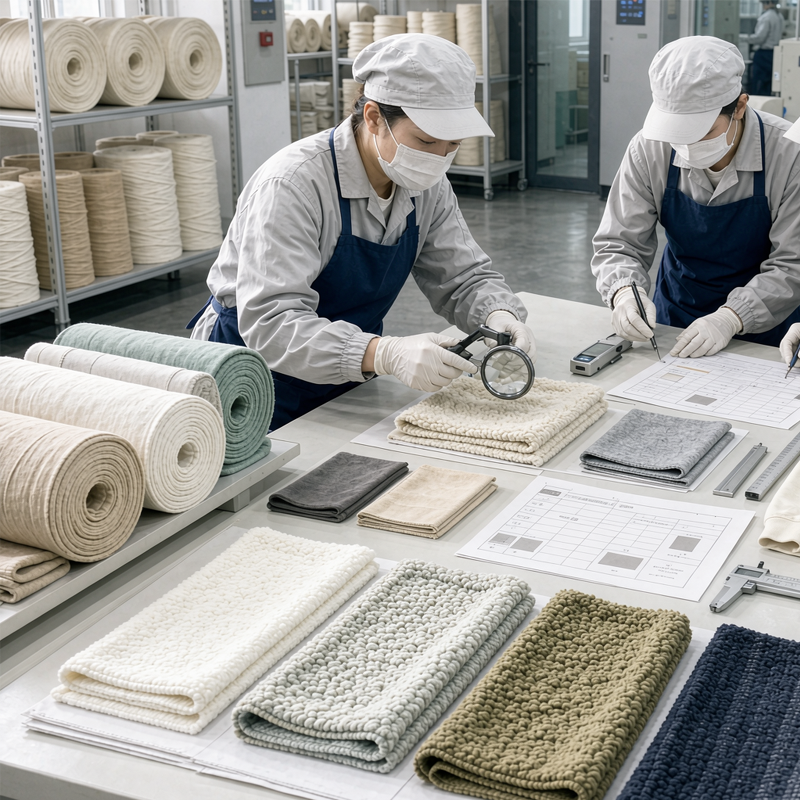
An organic cotton clothing manufacturer is a garment producer that specializes in creating apparel using organic cotton materials and supporting responsible production practices.
Unlike conventional cotton production, organic cotton focuses on farming methods designed to reduce the use of certain synthetic agricultural inputs.
At the garment manufacturing stage, an organic cotton clothing manufacturer may support:
- Oskrba s tkaninami
- Garment development
- Pattern making
- Rezanje
- Šivanje
- Dokončanje
- Quality inspection
- Pakiranje
For apparel brands, working with an experienced manufacturer helps connect sustainable material choices with professional garment production.
2. Why Are Brands Choosing Organic Cotton Clothing?
Organic cotton has become increasingly popular among brands that focus on sustainability, comfort, and responsible sourcing.
Environmental Considerations
Many brands choose organic cotton because they want to reduce the environmental impact associated with traditional material sourcing.
Natural Comfort
Cotton is widely valued for:
- Soft hand feel
- Zračnost
- Comfortable wearing experience
Brand Positioning
For sustainable fashion brands, material selection can become an important part of their product story.
Organic cotton garments can communicate:
- Responsible sourcing
- Quality awareness
- Long-term product value
3. Organic Cotton vs Conventional Cotton
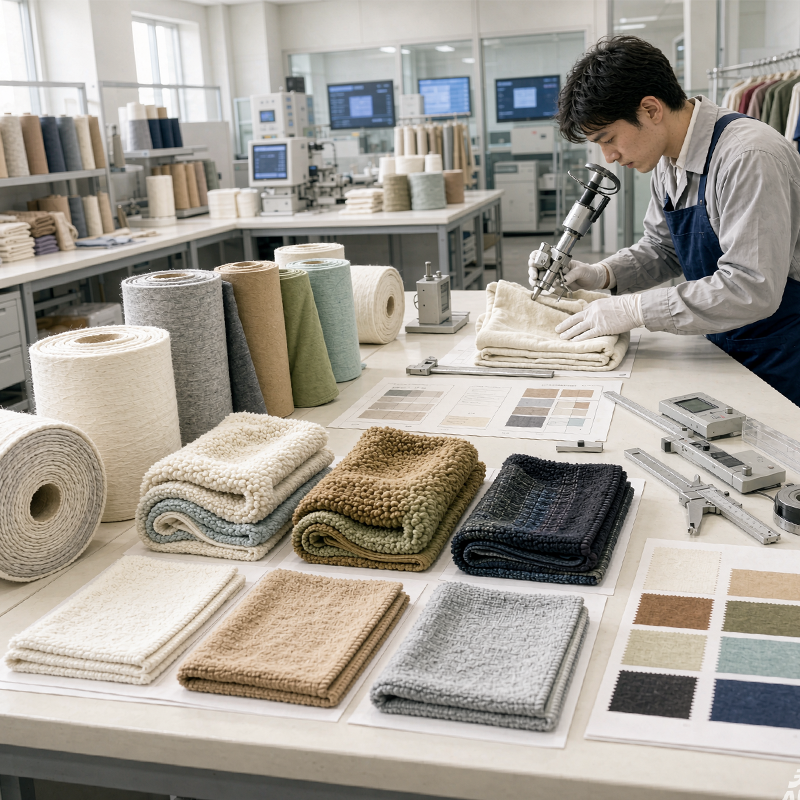
Although both materials come from cotton plants, they may differ in production methods and sourcing considerations.
Material Source
Organic cotton focuses on organic farming practices.
Brand Communication
Brands using organic cotton may highlight:
- Material transparency
- Sustainable product development
- Responsible sourcing
Product Experience
Both organic and conventional cotton can produce quality garments.
The final product quality depends on many factors, including:
- Fiber quality
- Fabric construction
- Manufacturing process
- Garment workmanship
Therefore, choosing the right manufacturing partner remains essential.
4. What Types of Clothing Can Use Organic Cotton?
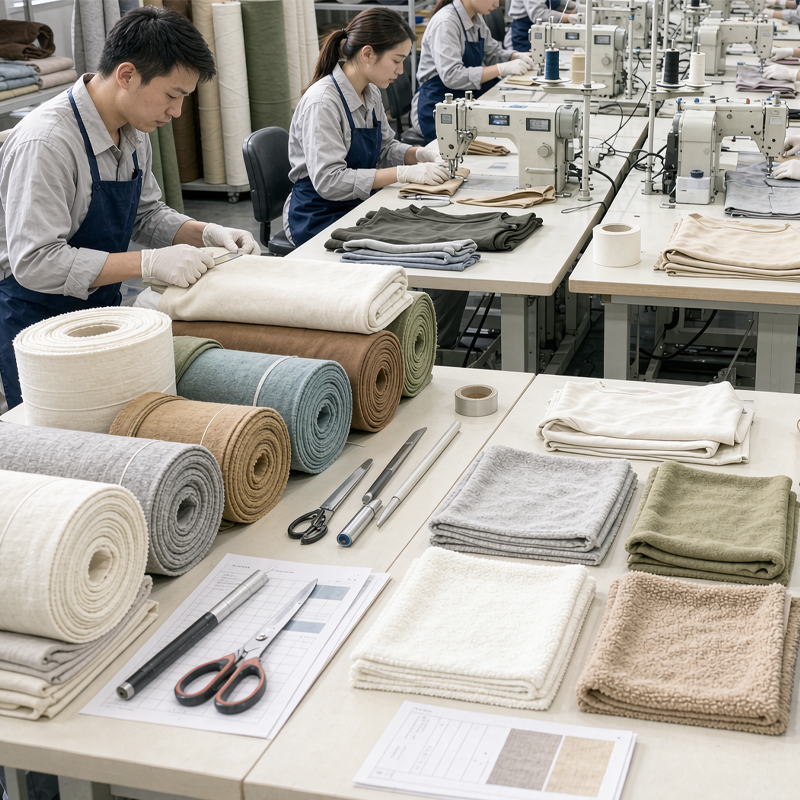
Organic cotton can be used for many apparel categories.
Common examples include:
Basic Apparel
- T-shirts
- Long sleeve shirts
- Casual tops
Lifestyle Clothing
- Sweatshirts
- Hoodies
- Loungewear
Children's Apparel
- Kids clothing
- Baby garments
Premium Casualwear
- Everyday fashion products
- Sustainable lifestyle collections
The suitable fabric weight, construction, and finishing method depend on the product category.
5. How Does Organic Cotton Clothing Manufacturing Work?
A typical organic cotton apparel development process includes several stages.
Step 1: Product Planning
The brand defines:
- Garment style
- Target customer
- Zahteve glede tkanine
- Design direction
- Quantity expectations
Step 2: Organic Cotton Fabric Selection
The manufacturer helps evaluate:
- Sestava tkanine
- Weight
- Texture
- Barva
- Performance requirements
The selected fabric should match the intended garment purpose.
Step 3: Sample Development
Before bulk production, samples are created to evaluate:
- Prileganje
- Fabric performance
- Construction
- Videz
Sample approval helps reduce production risks.
Step 4: Bulk Production
After confirmation, production begins according to approved specifications.
The process includes:
- Fabric cutting
- Šivanje
- Dokončanje
- Pregled
Step 5: Quality Control
Finished garments are checked to ensure consistency.
Quality checks may include:
- Meritve
- Šivanje
- Fabric appearance
- Color consistency
- Finishing details
6. What Should Brands Consider When Choosing an Organic Cotton Manufacturer?
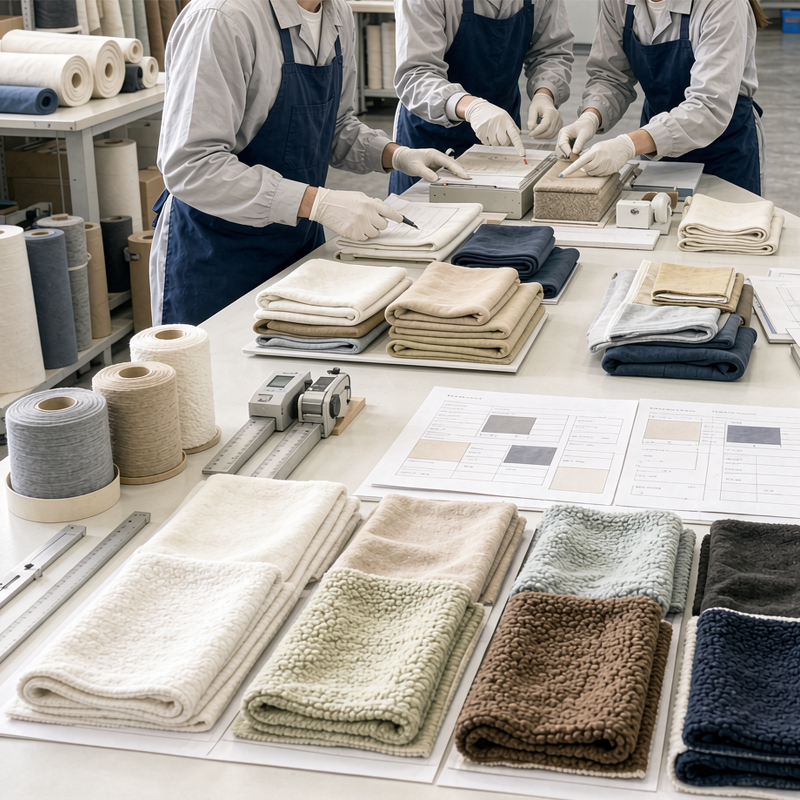
Finding the right manufacturer requires evaluating more than material availability.
Sustainable Material Experience
Does the manufacturer understand organic cotton fabrics?
Different cotton fabrics may require different production considerations.
Manufacturing Capability
A suitable manufacturer should have experience producing the garment categories the brand needs.
For example:
A T-shirt manufacturer and an outerwear manufacturer may require different technical capabilities.
Quality Management
Sustainable materials still require professional production control.
Brands should understand:
- Sample process
- Inspection methods
- Production standards
Supply Chain Transparency
Brands should ask about:
- Material sourcing
- Production processes
- Available documentation
Clear information helps brands communicate responsibly with customers.
7. The Importance of Organic Cotton Fabric Quality
Choosing organic cotton does not automatically guarantee a high-quality garment.
Fabric quality still depends on:
- Fiber characteristics
- Fabric construction
- Weight
- Finishing process
Brands should evaluate:
Hand Feel
Does the fabric match the expected customer experience?
Trajnost
Can the garment maintain quality after repeated use?
Videz
Does the fabric support the intended design?
Production Compatibility
Can the fabric achieve the desired garment construction?
A professional manufacturer can help brands balance sustainability and performance.
8. Certifications and Sustainability Verification
When discussing organic cotton, brands may need to understand available certification systems.
Certification can help provide information about:
- Material sourcing
- Processing standards
- Supply chain tracking
However, brands should always confirm what certifications or documentation a manufacturer can provide.
Sustainability communication should be based on accurate information rather than general claims.
9. Organic Cotton and Sustainable Brand Development
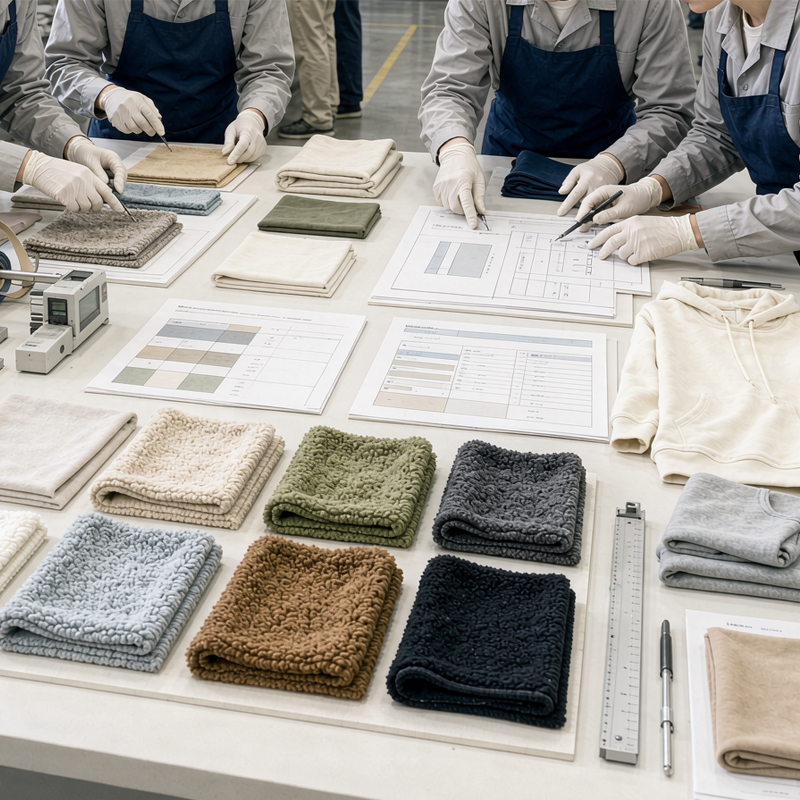
Organic cotton is often part of a broader sustainability strategy.
A responsible apparel approach may also include:
Product Durability
Creating garments that maintain quality over time.
Efficient Production
Reducing unnecessary material waste.
Better Planning
Producing according to realistic market demand.
Responsible Supply Chain Management
Building long-term cooperation with reliable partners.
Sustainable development is usually achieved through multiple decisions across the entire product lifecycle.
10. Working With an Organic Cotton Clothing Manufacturer
A strong manufacturing relationship requires communication between the brand and factory.
Brands should clearly share:
- Product requirements
- Fabric expectations
- Quality standards
- Production timeline
- Zahteve glede embalaže
The manufacturer should provide:
- Development support
- Production feedback
- Sample evaluation
- Manufacturing guidance
Good communication helps create more stable production results.
11. Common Mistakes When Choosing an Organic Cotton Manufacturer
Choosing Only Based on Sustainability Claims
Brands should verify actual capabilities and production experience.
Ignoring Product Requirements
A sustainable fabric still needs to match:
- Garment style
- Customer needs
- Usage environment
Skipping Sample Development
Samples are necessary to confirm:
- Prileganje
- Fabric behavior
- Construction quality
Focusing Only on Material Cost
The cheapest material option may not always provide the best overall product value.
12. Questions to Ask Before Starting Production
Before working with an organic cotton clothing manufacturer, brands can ask:
- What organic cotton fabrics are available?
- Can you provide fabric specifications?
- What garment categories do you specialize in?
- Can you support custom development?
- What is your MOQ?
- How does the sample process work?
- How do you control quality?
- What sustainability documentation is available?
- What production capacity do you have?
- Can you support repeat orders?
These questions help brands evaluate whether a manufacturer is suitable for long-term cooperation.
Zaključek
Choosing the right organic cotton clothing manufacturer is an important step for brands developing sustainable apparel collections.
Organic cotton provides opportunities for brands to create products that align with changing consumer expectations around responsible sourcing and environmental awareness.
However, successful sustainable apparel production depends on more than selecting an organic material.
Brands also need a manufacturing partner with:
- Reliable production capability
- Fabric knowledge
- Quality management
- Clear communication
- Long-term cooperation ability
By combining sustainable material choices with professional apparel manufacturing, brands can develop products that balance environmental responsibility, quality, and market value.











