




Streetwear Giyim Üreticileri: Doğru Üretim Ortağını Nasıl Bulursunuz?
Yayın tarihi:2026-09-09 Kategori:HABERLER Görüntüleme sayısı:609
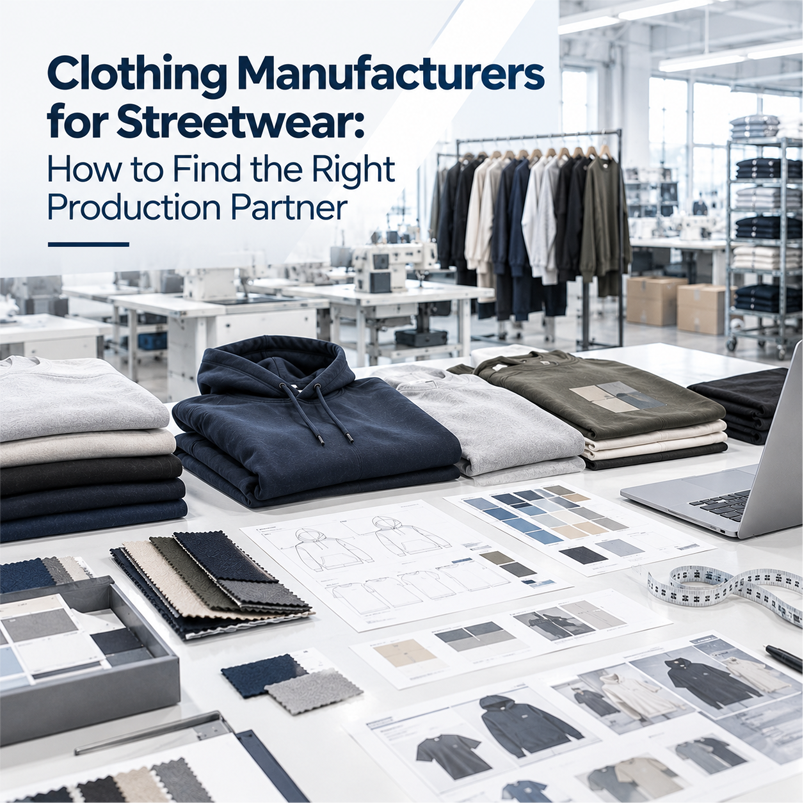
Introduction
Streetwear brands often have a different approach to apparel development than traditional fashion businesses.
Oversized silhouettes, heavyweight fabrics, distinctive graphics, relaxed fits, custom details, and strong visual identity are all common considerations. Because of this, choosing the right manufacturing partner can have a major influence on the final product.
Finding suitable clothing manufacturers for streetwear is not simply about finding a factory that can sew garments. The manufacturer should understand the construction, materials, finishing, customization, and production requirements behind the brand's designs.
This guide explains what streetwear brands should consider when evaluating apparel manufacturers and preparing for production.
1. What Makes Streetwear Manufacturing Different?
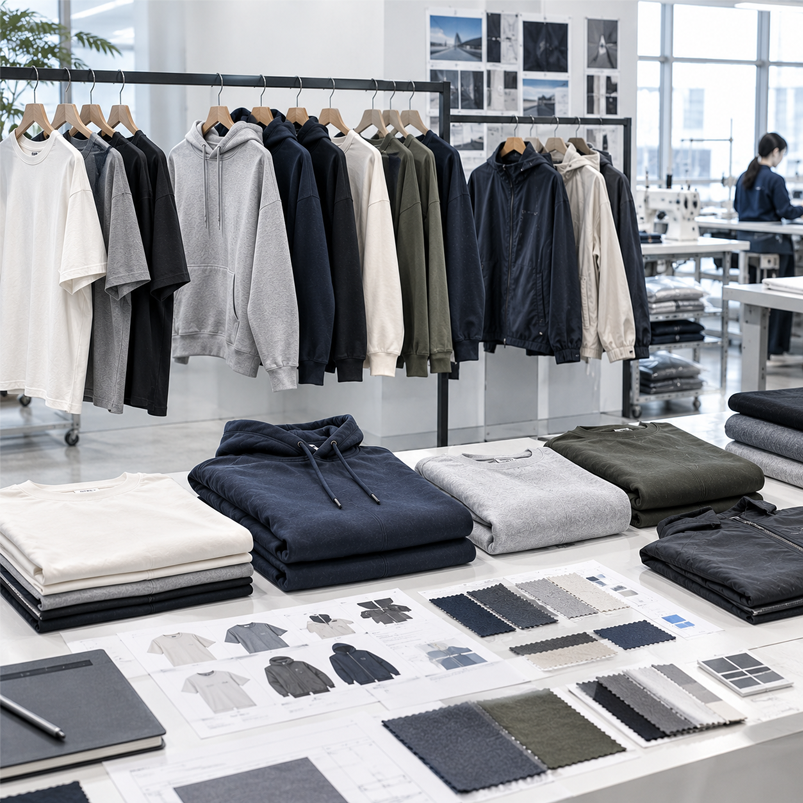
Streetwear can combine fashion, lifestyle, sportswear, music, art, and youth culture.
This creates diverse product requirements.
A streetwear collection may include:
- Oversized T-shirts
- Heavyweight sweatshirts
- Hoodies
- Cargo pants
- Jackets
- Overshirts
- Fleece garments
- Outdoor-inspired pieces
- Graphic apparel
Many streetwear brands also pay close attention to fabric weight, garment proportions, surface appearance, washing effects, labels, and finishing details.
Therefore, the manufacturer's ability to translate a creative concept into a manufacturable product is important.
2. Start With Your Brand's Product Direction
Before contacting manufacturers, define what kind of streetwear brand you want to build.
Şunu bir düşünün:
- Target customer
- Price positioning
- Core garment categories
- Preferred silhouettes
- Fabric weights
- Color palette
- Decoration style
- Seasonal requirements
- Expected order quantity
For example, a premium streetwear label may prioritize heavyweight fabrics and complex construction, while a graphic-focused brand may place greater emphasis on printing quality.
A clear product direction makes it easier to identify manufacturers that match your requirements.
3. Look for Relevant Manufacturing Experience
Not every apparel manufacturer is equally suitable for streetwear.
When evaluating potential suppliers, look for evidence that they can handle the product types you need.
Relevant experience may include:
- Heavyweight garments
- Hoodies and sweatshirts
- Oversized T-shirts
- Casual woven garments
- Jackets
- Fleece products
- Graphic apparel
- Özel etiketler
- Custom trims
Instead of asking only, "Can you manufacture clothing?", ask whether the manufacturer can develop the specific construction and materials required by your collection.
4. Fabric Is a Major Part of Streetwear
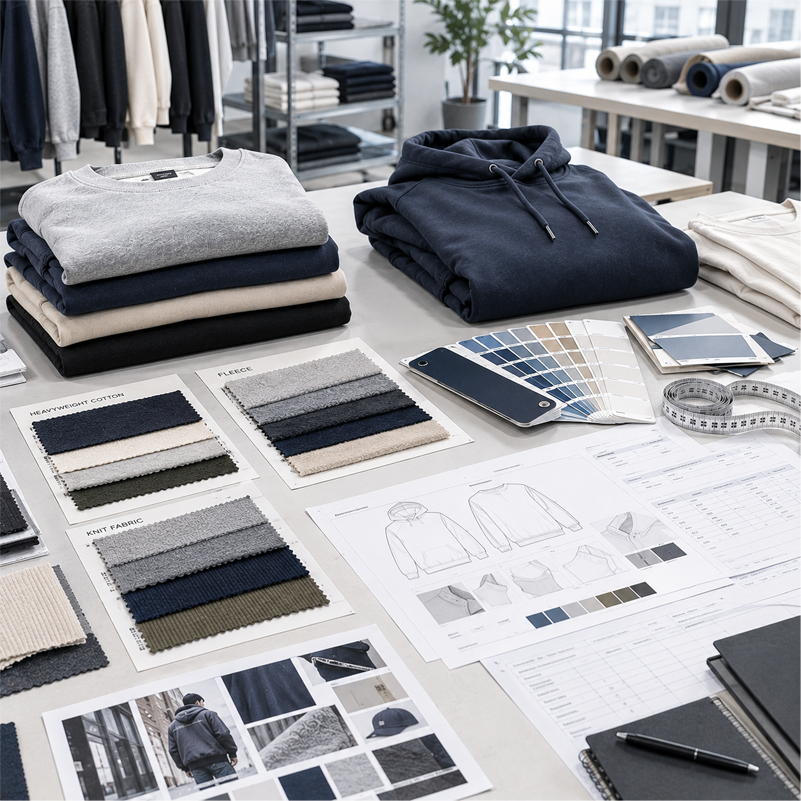
Fabric can significantly influence how a streetwear garment looks and feels.
Important factors include:
Fabric Weight
Heavier fabrics can create a structured appearance and substantial hand feel.
Composition
Cotton, polyester, blends, and other fibers can produce different performance and appearance characteristics.
Surface
The surface can be smooth, brushed, textured, or specially finished.
Shrinkage
Shrinkage should be considered during development, especially for cotton-rich garments.
Renk
Color consistency is important when multiple production batches are expected.
Streetwear brands should evaluate physical fabric samples rather than relying entirely on digital references.
5. Understanding Garment Fit
Fit is often one of the most recognizable elements of a streetwear brand.
An oversized T-shirt, for example, is not simply a regular T-shirt made one or two sizes larger.
The manufacturer may need to adjust:
- Shoulder width
- Body width
- Body length
- Sleeve length
- Sleeve opening
- Neck construction
- Hem proportions
The same principle applies to hoodies, jackets, sweatshirts, and other silhouettes.
A clear measurement specification is therefore essential.
6. Customization Goes Beyond Printing
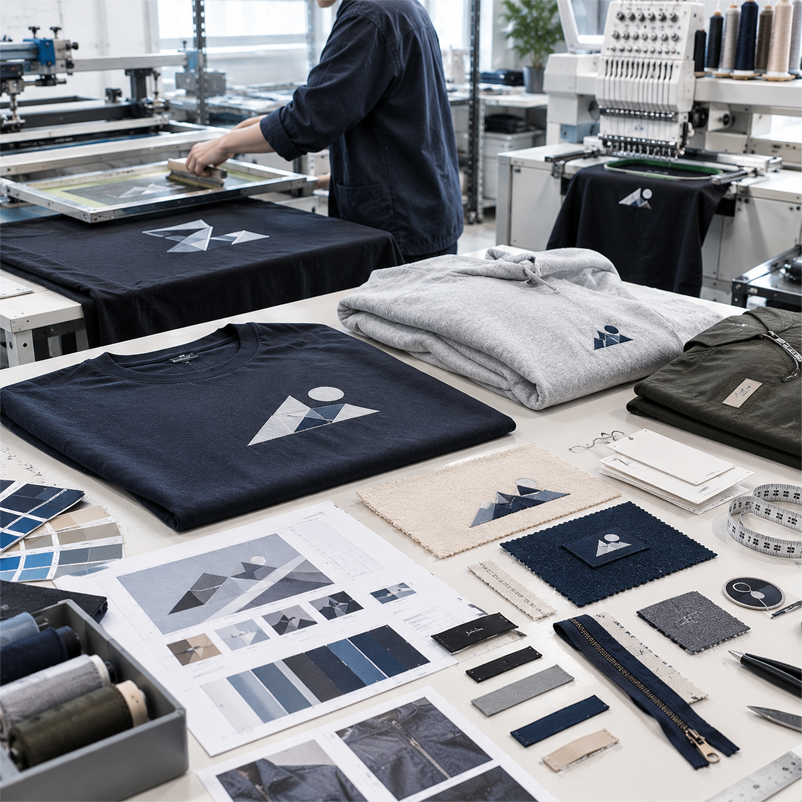
Streetwear products often use multiple branding and decoration techniques.
Possible options include:
- Screen printing
- Embroidery
- Heat transfer
- Woven labels
- Sewn patches
- Neck labels
- Hangtags
- Custom trims
Some brands may also use special finishing techniques to create a particular visual effect.
The best method depends on the fabric, artwork, quantity, target price, and desired appearance.
7. Why Streetwear Brands Need Sampling
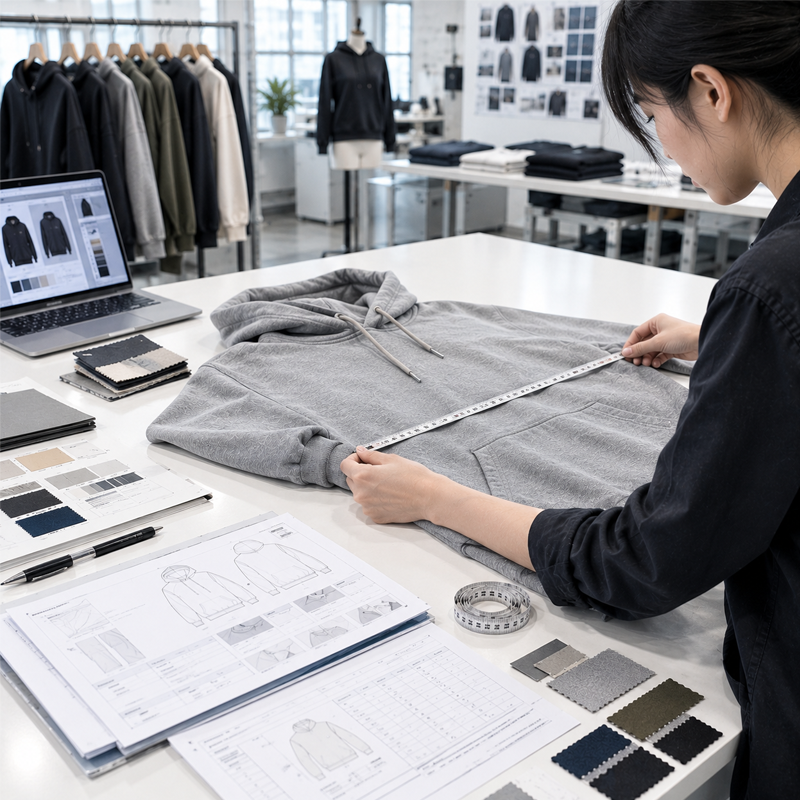
A sample is particularly important when developing a new streetwear silhouette.
A sample allows the brand to assess:
- Uygunluk
- Fabric weight
- Hand feel
- Renk
- Artwork
- İnşaat
- Label placement
- Decoration
- Overall proportions
Streetwear designs can depend heavily on silhouette and fabric behavior, which makes physical evaluation more valuable than reviewing a digital mockup alone.
If changes are needed, they should be communicated before bulk production.
8. Heavyweight Apparel Requires Careful Development
Heavyweight garments can require different production considerations from lightweight apparel.
For example, a heavyweight hoodie may involve:
- Heavier fabric
- Stronger seams
- Different sewing settings
- Rib construction
- Larger seam allowances
- Different handling during production
Brands should therefore confirm the desired fabric weight and construction with the manufacturer during development.
The goal is not simply to make the garment heavier, but to achieve the intended balance between structure, comfort, durability, and cost.
9. MOQ and Small-Batch Streetwear
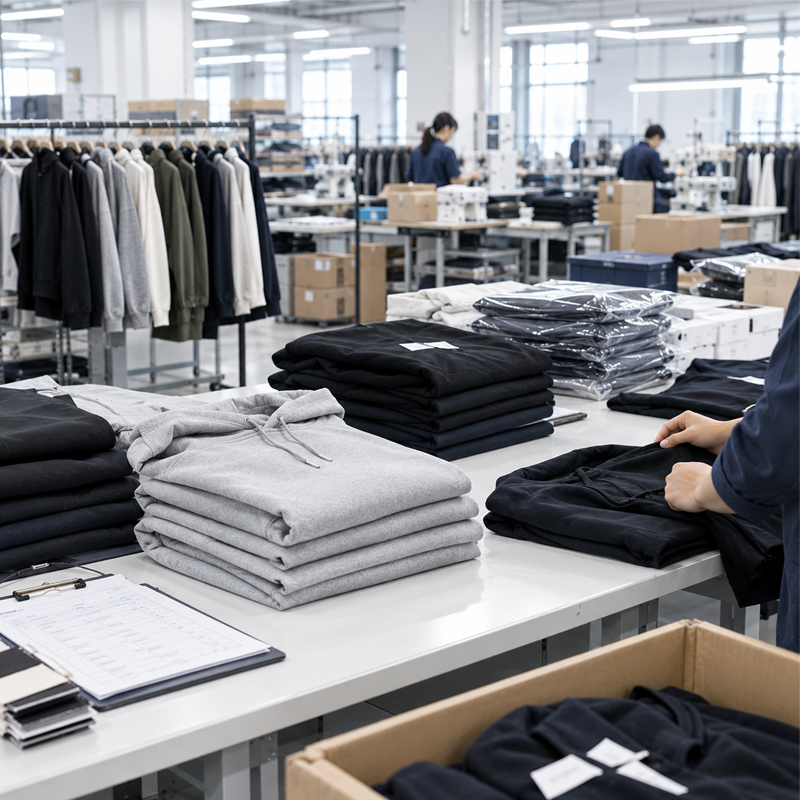
Many emerging streetwear brands do not want to commit to extremely large quantities for their first collection.
MOQ can vary according to:
- Garment type
- Kumaş
- Renk
- Custom construction
- Decoration
- Production process
Before finalizing designs, ask the manufacturer about MOQ requirements for each style and color.
For a new brand, starting with a focused collection can make inventory management easier.
10. Quality Control for Streetwear
Streetwear customers can be particularly sensitive to product details.
Quality control should cover:
- Fabric appearance
- Fabric weight
- Ölçümler
- Dikiş
- Print quality
- Embroidery
- Etiketler
- Trims
- Renk tutarlılığı
- Final garment appearance
For oversized products, measurements deserve particular attention because relatively small differences can change the intended silhouette.
11. Communication With Your Manufacturer
Clear communication can prevent many production problems.
A streetwear brand should provide:
- Technical drawings
- Reference photos
- Measurement charts
- Fabric specifications
- Color references
- Artwork
- Decoration instructions
- Etiketler
- Packaging requirements
- Miktar
If some specifications are not yet finalized, explain what is fixed and what remains open for discussion.
This allows the manufacturer to identify potential issues early.
12. Reviewing Manufacturer Samples
When a sample arrives, do not check only whether it looks attractive.
Create a structured review.
Uygunluk
Compare the sample against the approved measurements.
Kumaş
Check weight, hand feel, stretch, surface, and appearance.
İnşaat
Inspect seams, hems, cuffs, neckline, pockets, and other details.
Decoration
Review print position, size, clarity, and embroidery.
Markalaşma
Check labels, tags, and other brand elements.
Overall Appearance
Compare the physical sample with the original design concept.
Document all changes before approving production.
13. Production Capacity Matters
A manufacturer should be able to manage your expected production volume without sacrificing consistency.
Ask about:
- Production lines
- Workforce
- Equipment
- Sampling capabilities
- Kalite kontrolü
- Üretim planlaması
- Lead times
Capacity should be evaluated in relation to your specific product rather than as a single factory-wide number.
A factory may have substantial overall production capacity but still have limitations for certain specialized products.
14. How to Compare Clothing Manufacturers for Streetwear
When comparing manufacturers, consider the following:
| Faktör | What to Evaluate |
|---|---|
| Product Experience | Relevant streetwear categories |
| Kumaş | Available weights and compositions |
| Sampling | Development and revision process |
| Özelleştirme | Printing, embroidery, labels, trims |
| MOQ | Quantity requirements |
| Quality Control | Inspection procedures |
| İletişim | Speed and clarity |
| Capacity | Ability to support your order |
| Lead Time | Development and production schedule |
| Repeat Orders | Ability to maintain consistency |
The goal is to find a manufacturing partner that fits your business model, not simply the cheapest supplier.
15. Common Mistakes When Choosing a Streetwear Manufacturer
Choosing Based Only on Price
A low quotation does not guarantee the right fabric, construction, or quality.
Skipping Physical Samples
This can allow fit and material problems to reach bulk production.
Providing Only a Graphic
A graphic does not fully describe the garment.
Ignoring Fabric Weight
Fabric weight can significantly affect the intended streetwear silhouette.
Changing the Design During Production
Late changes can cause additional costs and delays.
Ordering Too Many Styles
A large first collection can create unnecessary inventory pressure.
16. Building a Long-Term Manufacturing Relationship
Streetwear brands often develop collections over multiple seasons.
A stable manufacturer can become more valuable as the brand grows.
Keep records of:
- Approved fabrics
- Patterns
- Ölçümler
- Colors
- Artwork
- Etiketler
- Decoration
- Ambalaj
- Kalite standartları
This makes repeat production more consistent.
Over time, the manufacturer can also become familiar with the brand's preferred construction and product direction.
17. How KALAIBEN Supports Woven and Knitted Apparel
KALAIBEN describes itself as an integrated industry and trade company specializing in weaving and knitted garments. Its company profile lists knitted and woven casual garments and outdoor sportswear among its primary product categories.
The company profile describes a Jiangxi production base covering approximately 30 acres, with around 26,000 square meters of construction area and more than 380 employees. It reports annual garment production capacity of approximately 700,000–1,000,000 pieces.
Its knitting operation is also described as producing knitted fabrics using several types of knitting equipment, including single-sided, double-sided, terry, fleece, sweatshirt, and rib machines.
For streetwear brands, these capabilities can provide a basis for discussing knitted and woven casual apparel projects according to individual product specifications.
18. A Practical Streetwear Manufacturing Workflow
A structured process can make apparel development easier:
Concept → Tech Pack → Fabric → Sample → Fit Review → Revision → Approval → Bulk Production → Inspection → Packing
Each stage provides an opportunity to identify and solve problems.
Brands should avoid moving into bulk production until the critical product specifications have been approved.
Conclusion
Finding suitable clothing manufacturers for streetwear requires more than comparing factory prices.
Brands should evaluate product experience, fabric capabilities, fit development, customization, sampling, MOQ, quality control, communication, and production capacity.
A good manufacturing partner should be able to understand the design concept and translate it into a practical, repeatable garment.
For emerging streetwear brands, starting with a clear product specification and a carefully reviewed sample can significantly improve the production process.











