




Apparel ODM Factory: How to Choose the Right Partner for Custom Clothing Development
Date de publication :2026-09-22 Catégorie :ACTUALITÉS Nombre de visites :538
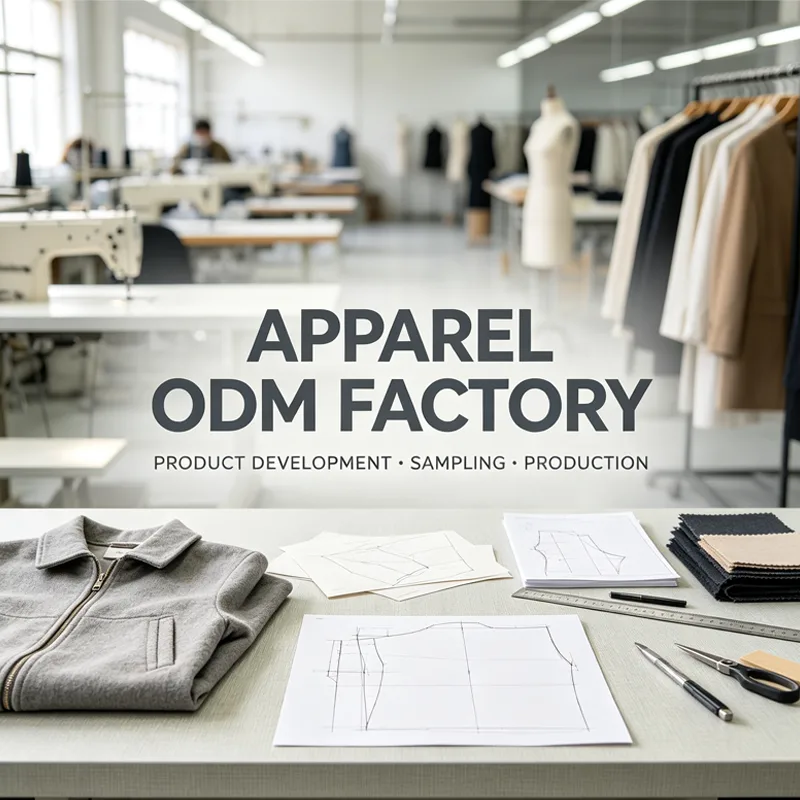
Learn how to choose an apparel ODM factory for custom clothing development, including product design, sampling, manufacturing, quality control, and supplier evaluation.
When brands search for an apparel ODM factory, they usually need more than a company that only produces garments. They need a manufacturing partner that can help transform ideas into finished products through design support, material selection, sample development, and production management.
A professional ODM factory connects product concepts with real manufacturing. It helps brands reduce development risks and create apparel collections that match their target market.
Choosing the right partner requires understanding development capability, production experience, quality systems, and communication processes.
1. What Is an Apparel ODM Factory?
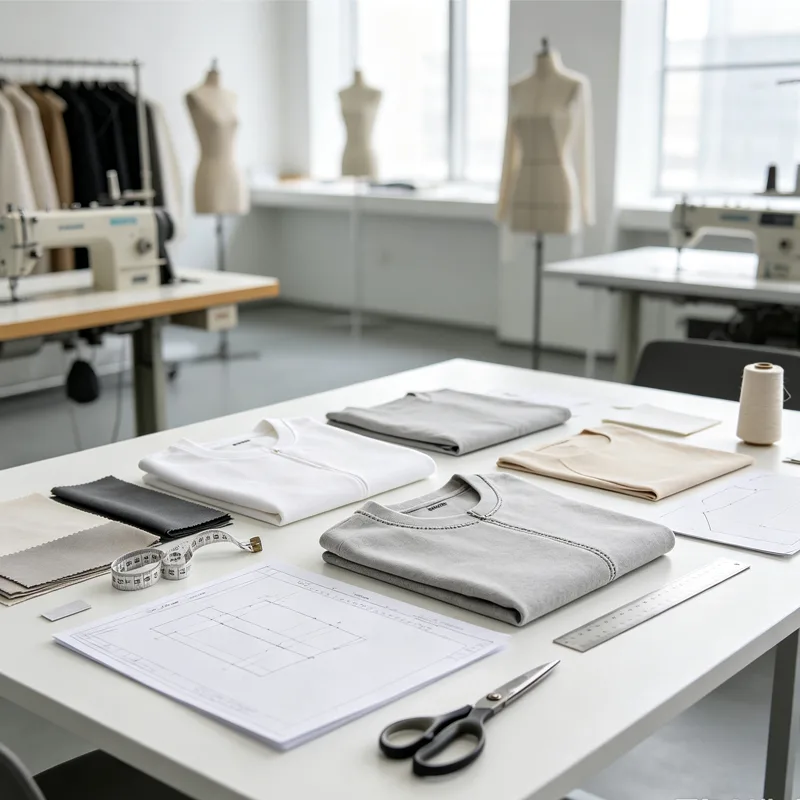
An apparel ODM factory provides Original Design Manufacturing services.
Unlike traditional manufacturing, ODM involves more cooperation during the product development stage.
Brands can start with:
- Idées de produits
- Market trends
- Échantillons de référence
- Esquisses de conception
- Target customer needs
The factory then helps develop the product into a production-ready garment.
Typical ODM Factory Services Include:
- Product concept review
- Fabric recommendation
- Conception de motifs
- Création d'un échantillon
- Fit adjustment
- Planification de la production
- Contrôle qualité
- Solutions d'emballage
Exemple :
A startup brand wants to launch outdoor jackets.
The team understands the style they want but lacks technical clothing knowledge.
An ODM factory can help select suitable materials, improve construction details, develop samples, and prepare the product for bulk production.
2. Why Brands Work With an ODM Apparel Manufacturer
Many brands choose ODM manufacturing because it reduces product development challenges.
Une solution fiable ODM apparel manufacturer can support brands in several ways.
2.1 Faster Product Development
Creating a new garment requires many technical decisions.
An experienced factory can help with:
- Fabric choices
- Production methods
- Pattern adjustments
- Construction improvements
Exemple :
A clothing brand wants to create a heavyweight hoodie.
The original idea is simple.
However, the manufacturer can help decide:
- Poids du tissu
- Rib structure
- Sewing method
- Size specifications
This makes the final product more suitable for production.
2.2 Lower Development Risk
Starting a new clothing collection involves uncertainty.
ODM support helps identify problems earlier.
Common issues include:
- Incorrect sizing
- Unsuitable materials
- Difficult production methods
- Cost problems
Solving these issues during development is easier than fixing them after mass production.
3. Apparel ODM Factory Development Process
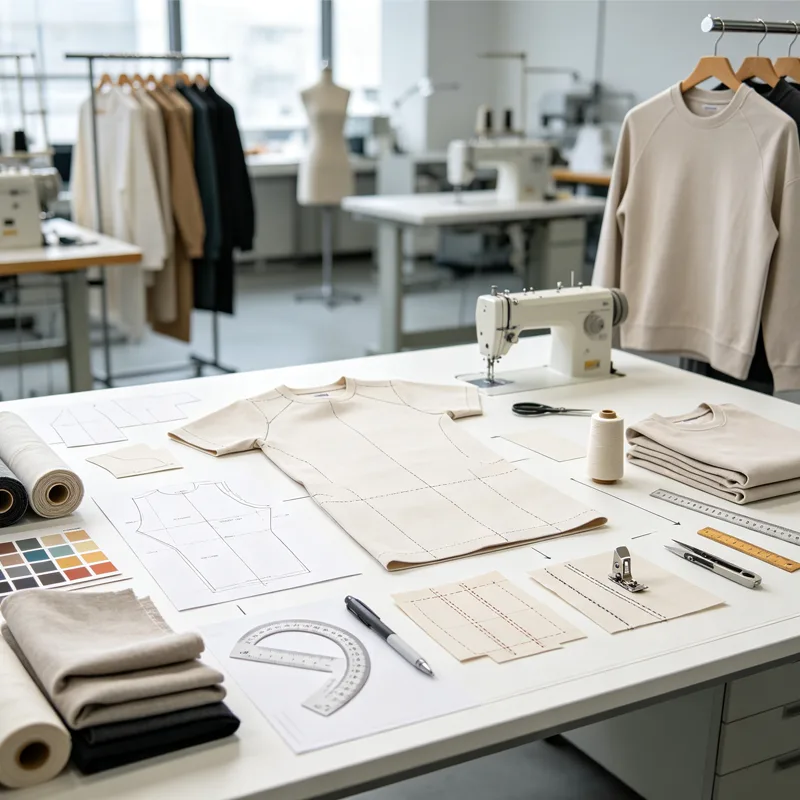
A professional ODM process follows clear steps.
Étape 1 : Examen des spécifications du produit
The brand provides information such as:
- Catégorie de produits
- Références en matière de conception
- Target market
- Quantité
- Budget expectations
The factory evaluates the production feasibility.
Step 2: Material and Design Development
The team reviews:
- Choix de tissus
- Couleurs
- Accessoires
- Détails de construction
The goal is to balance design requirements and production possibilities.
Step 3: Sample Development
Samples help verify the product before production.
Brands check:
- Ajustement
- Aspect
- Comfort
- Function
- Qualité
Exemple :
A brand develops a fleece jacket.
The first sample may show:
- Sleeve length needs adjustment
- Fabric feels too heavy
- Pocket position needs improvement
The sample stage allows these changes before bulk production.
Step 4: Bulk Manufacturing
After sample approval, production begins.
The process includes:
- Préparation du matériel
- Découpe
- Couture
- Finition
- Inspection
- Emballage
4. Apparel ODM Factory vs OEM Factory
ODM and OEM are often compared together.
Both support custom apparel production, but their roles are different.
| Facteur | OEM Factory | ODM Factory |
|---|---|---|
| Source du design | Brand provides design | Factory supports development |
| Développement de produits | Limité | Strong support |
| Pattern Making | Based on customer files | Factory assistance available |
| Sample Process | Specification-based | Collaboratif |
| Idéal pour | Experienced brands | Brands needing development help |
| Innovation Support | Inférieur | Plus élevé |
Exemple :
An established sportswear company may already have complete technical files.
OEM production may be enough.
A growing brand with only product ideas may benefit more from ODM support.
5. Product Categories Supported by Apparel ODM Factories
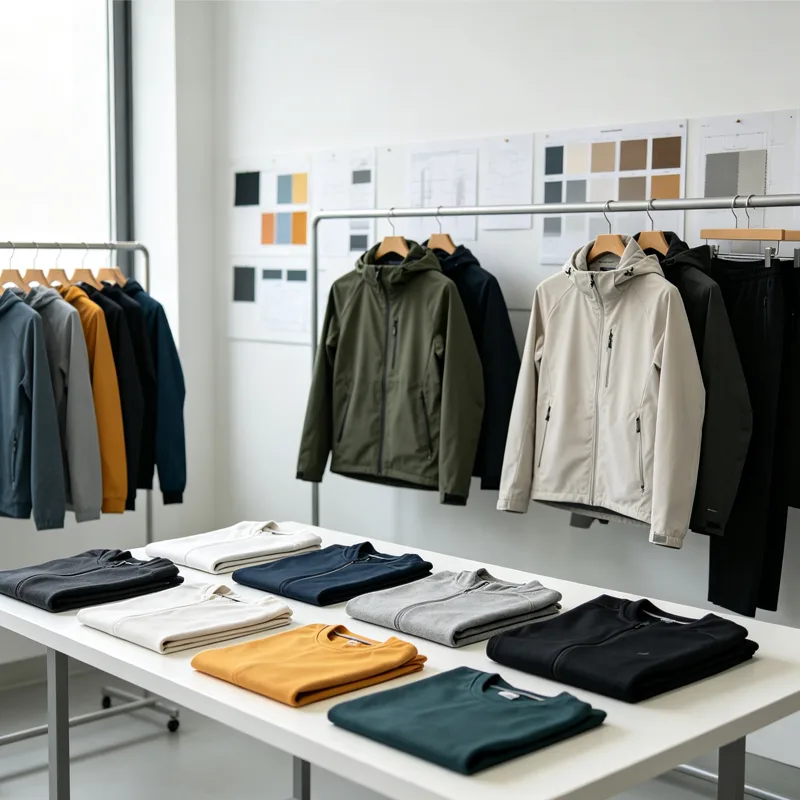
A capable ODM factory should support different apparel categories.
This allows brands to expand collections with one manufacturing partner.
| Catégorie | Development Focus | Example Products |
|---|---|---|
| Vêtements décontractés | Comfort and style | Hoodies, T-shirts |
| Outdoorwear | Function and durability | Jackets, fleece |
| Vêtements de sport | Performances | Activewear |
| Tricots | Structure and softness | Sweaters |
| Vêtements de travail | Strength and reliability | Work jackets |
| Children's Apparel | Safety and comfort | Kids clothing |
Exemple :
A lifestyle brand may start with hoodies.
Later, it may develop:
- Vestes
- Sweats à capuche
- Outdoor products
A versatile ODM partner can support this growth.
6. How to Evaluate an Apparel ODM Factory
Choosing an ODM supplier requires more than comparing prices.
Brands should evaluate several areas.
6.1 Product Development Capability
Check whether the factory can support:
- Revue de conception
- Modélisme
- Élaboration d'échantillons
- Technical improvements
6.2 Manufacturing Capability
Important factors include:
- Production equipment
- Skilled workers
- Factory management
- Quality systems
A factory should be able to handle both development and production.
6.3 Communication Ability
Good communication reduces production mistakes.
A reliable supplier should provide:
- Clear updates
- Fast feedback
- Accurate understanding of requirements
7. Private Label Support From an ODM Apparel Factory
Many brands use ODM manufacturing together with private label services.
Parmi les options de personnalisation courantes, on trouve :
- Étiquettes personnalisées
- Brand logos
- Étiquettes volantes
- Emballage
- Special colors
- Caractéristiques techniques du produit
Exemple :
A new outdoor brand wants to launch its own jacket collection.
Instead of purchasing standard products, it can develop:
- Custom jacket designs
- Brand labels
- Unique packaging
This helps create stronger product identity.
8. Quality Control in Apparel ODM Production
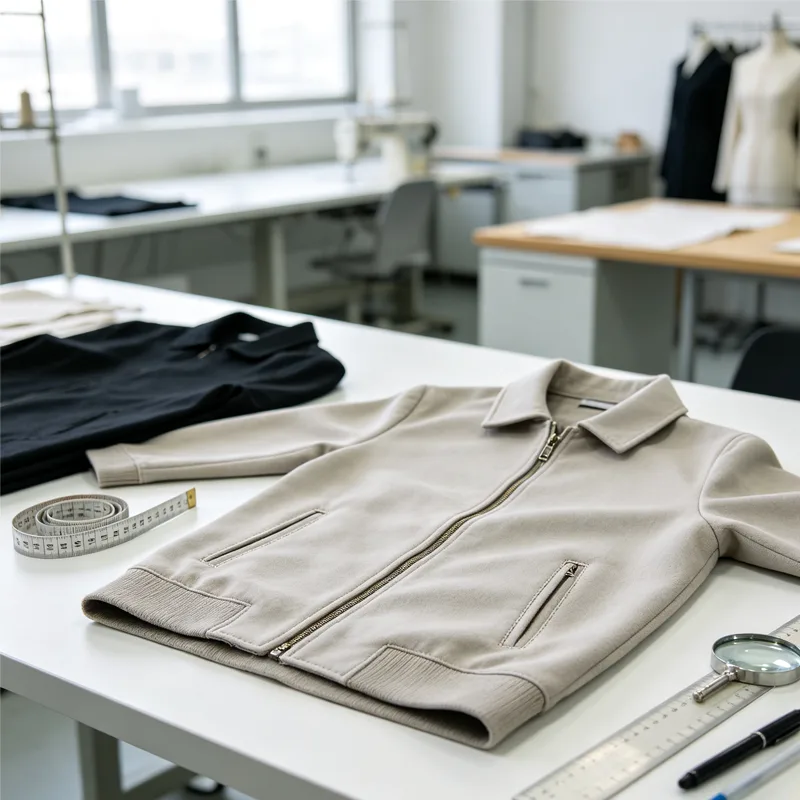
Quality control is important throughout the entire manufacturing process.
A professional ODM factory should check:
Fabric Quality
Including:
- Material consistency
- Color accuracy
- Performances du tissu
Production Quality
Including:
- Sewing quality
- Dimensions
- Détails de construction
Inspection finale
Including:
- Product appearance
- Emballage
- Order consistency
Exemple :
A factory produces 5,000 jackets.
A small measurement problem can affect thousands of pieces.
Early inspection helps prevent large production issues.
9. Why Choose a China Apparel ODM Factory?
China remains an important manufacturing location because of its developed apparel supply chain.
Brands often look for China ODM factories because they can access:
- Experienced production teams
- Wide material options
- Manufacturing knowledge
- Flexible production solutions
However, the right supplier depends on:
- Exigences relatives au produit
- Attentes en matière de qualité
- Communication needs
- Long-term goals
10. How an ODM Factory Supports Brand Growth
A good manufacturing partner does not only produce products.
It supports long-term product development.
Benefits include:
- Faster product launches
- Better product improvement
- More efficient production planning
- Reduced development mistakes
Exemple :
A small clothing brand may begin with one seasonal collection.
With a reliable ODM partner, it can gradually expand into:
- More product categories
- Larger collections
- Different markets
11. Choosing the Right Apparel ODM Factory Partner
Before starting cooperation, prepare:
Informations sur le produit
- Catégorie de produits
- Reference images
- Détails de conception
- Quantités de tissu nécessaires
- Quantité
Brand Information
- Clients cibles
- Market positioning
- Exigences en matière d'étiquetage
Production Information
- Timeline
- Delivery expectations
- Normes de qualité
A detailed project brief helps both sides create better results.
12. Apparel ODM Factory Solutions From KALAIBEN
For brands looking for an experienced apparel ODM factory, KALAIBEN provides OEM and ODM manufacturing solutions covering product development, pattern making, sampling, production, labeling, and packaging.
The company supports knitted and woven apparel categories, including casualwear, sportswear, outdoorwear, and other clothing products.
Learn more about apparel manufacturing services:
13. Final Checklist Before Choosing an ODM Factory
| Domaine d'évaluation | Key Question |
|---|---|
| Développement | Can the factory help create products? |
| Échantillonnage | Does it support revisions? |
| Production | Can it handle bulk orders? |
| Qualité | Is inspection included? |
| Personnalisation | Can it support private labels? |
| Communication | Is the process clear? |
A professional apparel ODM factory should work as a development partner, not only a production supplier.
The right partner helps brands move from early ideas to finished garments through better planning, technical support, and reliable manufacturing











