




Fabricants de vêtements pour les start-ups : comment choisir un partenaire de fabrication
Date de publication :2026-08-28 Catégorie :ACTUALITÉS Nombre de visites :683
Introduction
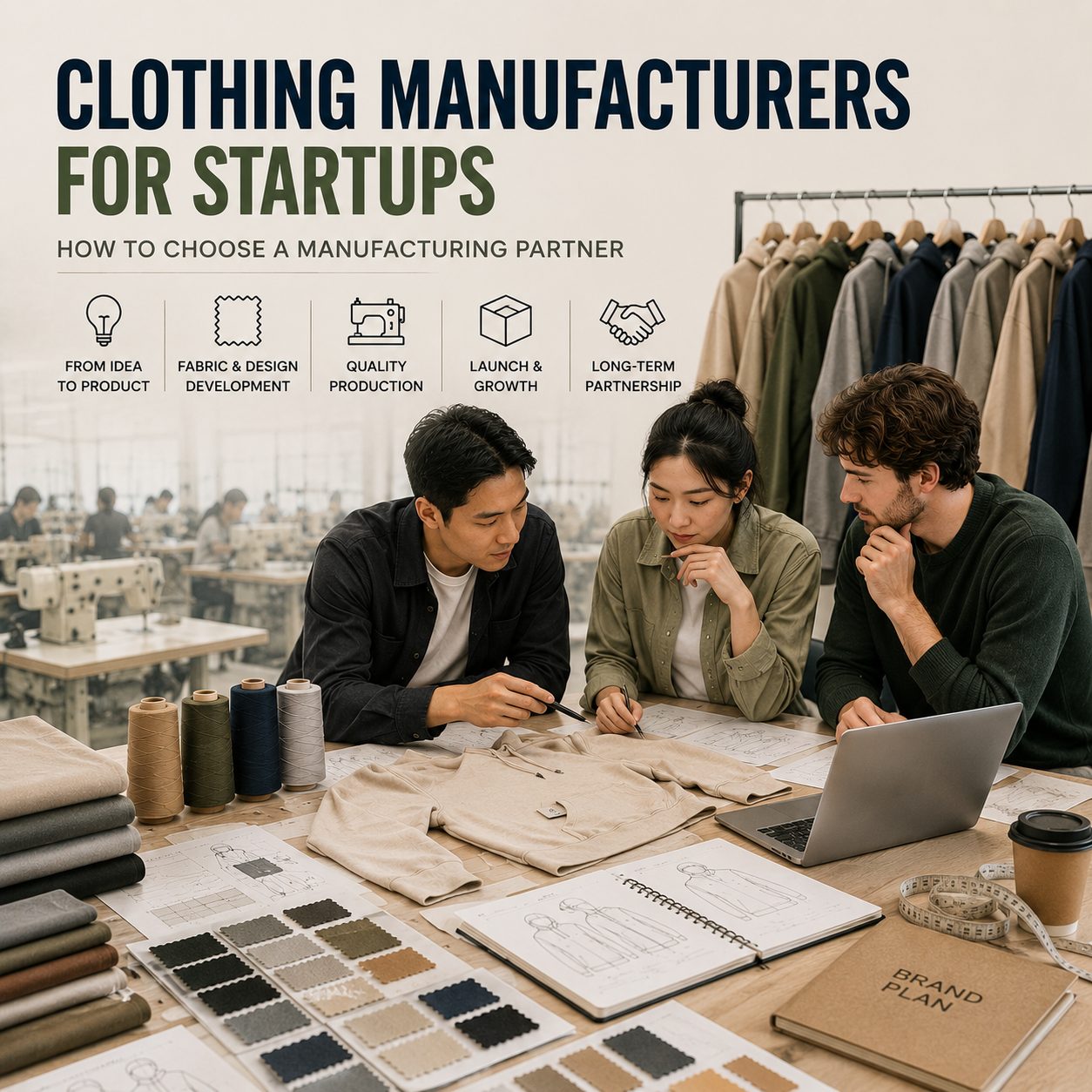
Trouver le bon clothing manufacturers for startups is one of the first major decisions a new fashion brand needs to make.
A startup usually begins with an idea, a small product range, and a limited budget. At this stage, the manufacturer can have a major influence on how quickly that idea becomes a real product.
New brands need to understand fabrics, samples, sizing, production quantities, branding, quality control, and costs.
The right manufacturing partner can help make this process more manageable.
This guide explains what clothing startups should look for when selecting a manufacturer and how to prepare for their first production order.
1. Start With the Product, Not the Factory
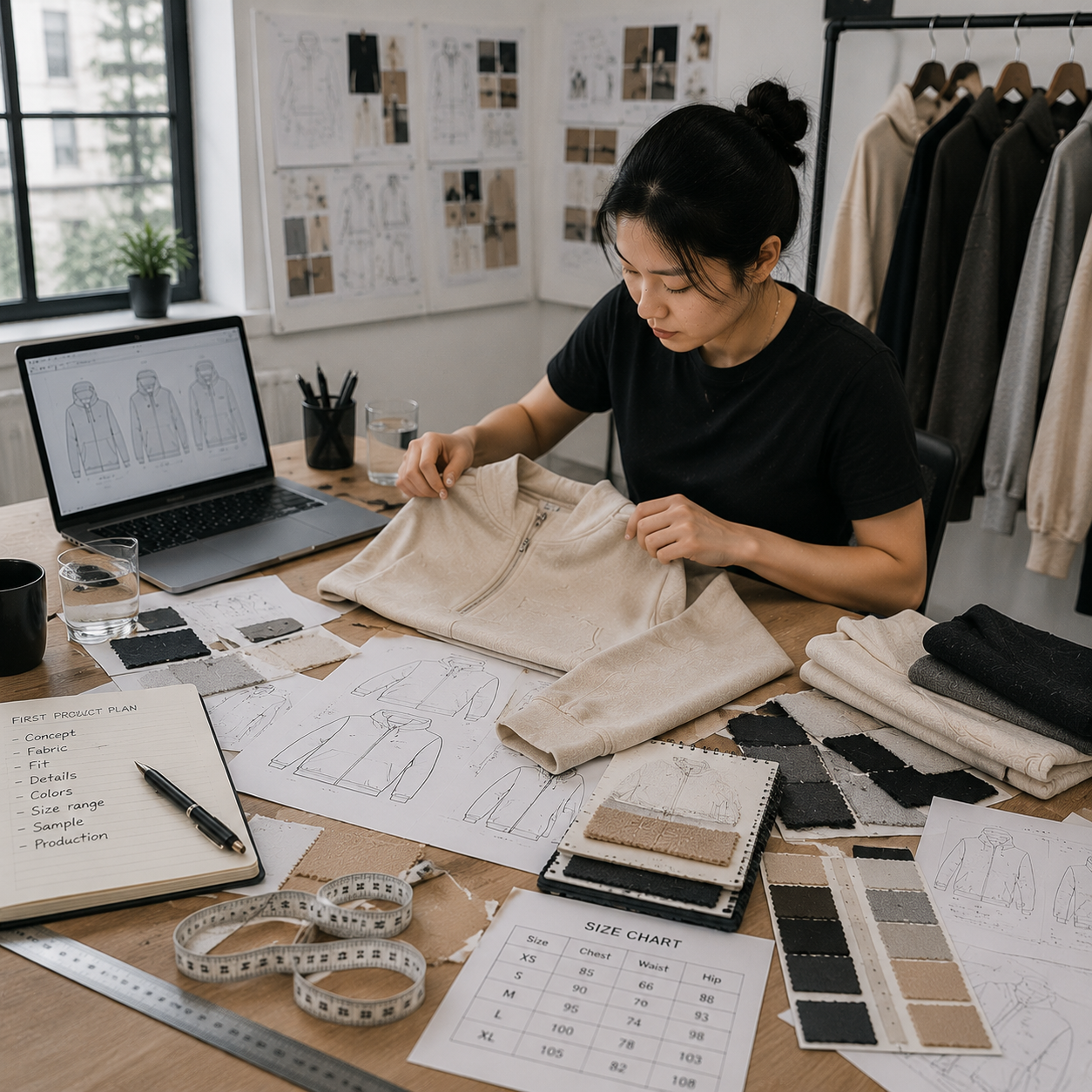
Before looking for a manufacturer, define the product you want to create.
Start with:
- Catégorie de produits
- Target customer
- Tissu
- Couleur
- Gamme de tailles
- Conception
- Logo
- Étiquettes
- Emballage
- Quantité estimée
For example, if your startup is developing an outdoor fleece jacket, the manufacturer needs to understand more than the product name.
You may need to specify:
- Composition du tissu
- Poids du tissu
- Zipper type
- Pocket construction
- Cuffs
- Collar
- Logo position
- Mesures des tailles
Clear specifications make the manufacturing process much easier.
2. Find a Manufacturer That Matches Your Product
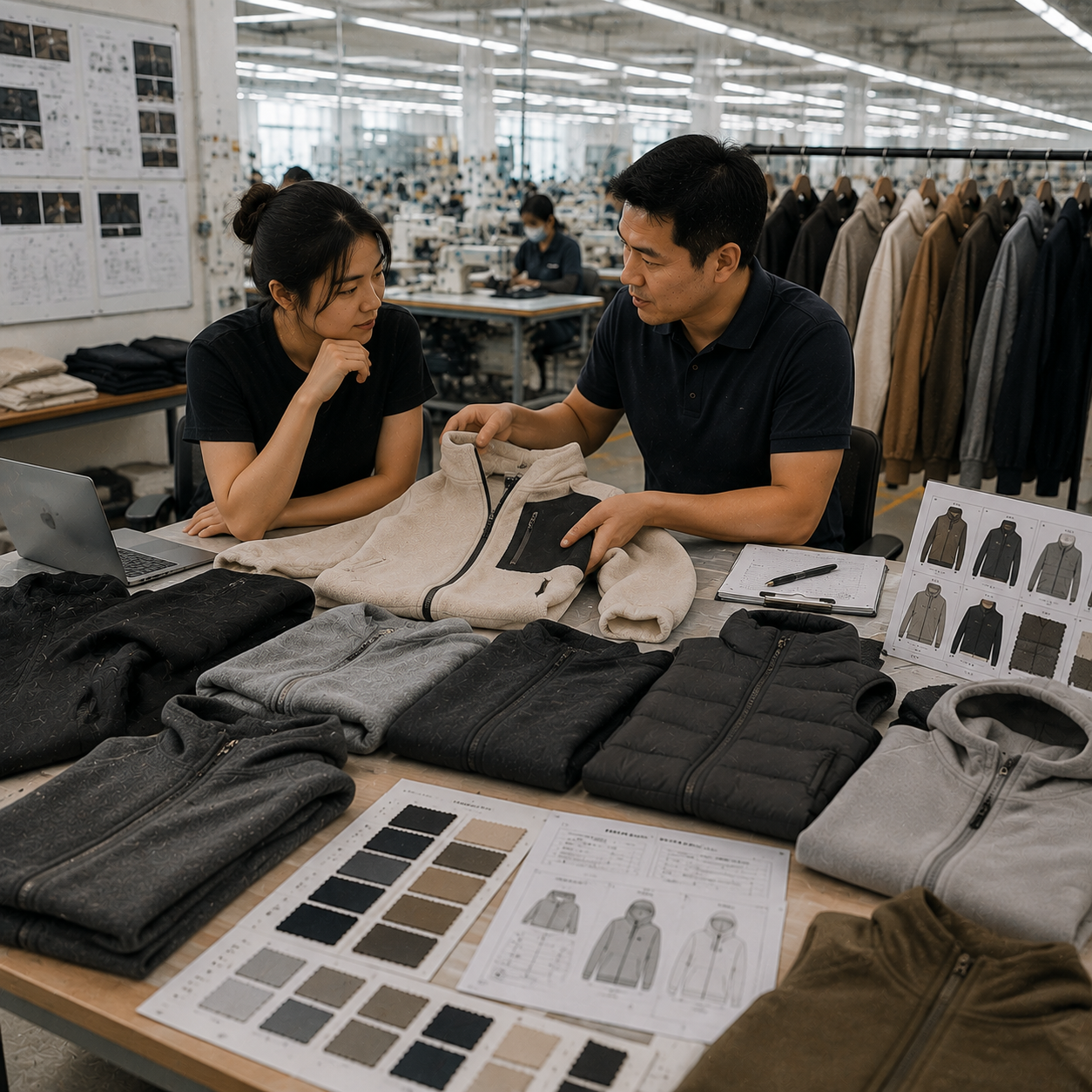
Not every clothing factory specializes in the same products.
A startup should look for a manufacturer with experience relevant to its product category.
Par exemple :
Streetwear startup: look for experience with hoodies, T-shirts, sweatshirts, embroidery, printing, and related products.
Outdoor startup: look for experience with fleece, jackets, vests, woven fabrics, and functional construction.
Children's brand: look for experience with children's garment sizing, construction, and production requirements.
The goal is to match the manufacturer's capabilities with your product rather than choosing a factory simply because it has a low quotation.
3. Understand the Manufacturing Process
A startup should understand the basic production process before placing an order.
A typical clothing project may involve:
Product concept → Fabric selection → Sample development → Sample approval → Production preparation → Cutting → Sewing → Finishing → Quality inspection → Packing → Shipment
KALAIBEN's Jiangxi production operation describes its main production activities as including cutting, sewing, ironing, inspection, and packing.
Understanding these stages helps startups know what information needs to be confirmed at each point.
4. Develop a Sample First
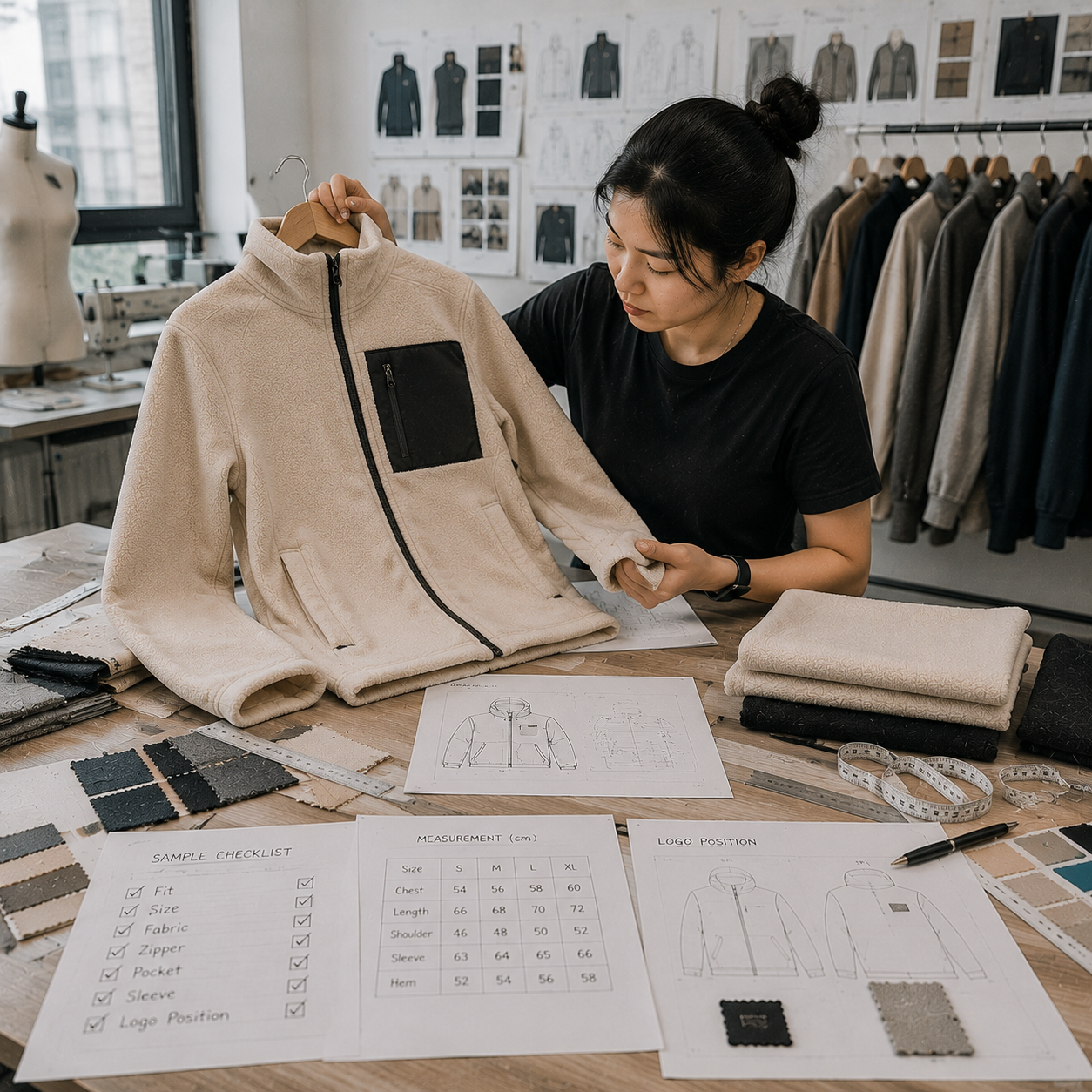
For startups, the sample stage is extremely important.
Your first design may not be perfect.
You may discover that:
- The fabric is too heavy.
- The fit needs adjustment.
- A zipper is not suitable.
- A pocket is too small.
- The color needs changing.
- The logo position needs adjustment.
These changes are much easier to manage before bulk production.
A sample should therefore be treated as a development stage rather than simply a finished product.
5. Understand MOQ Before Starting
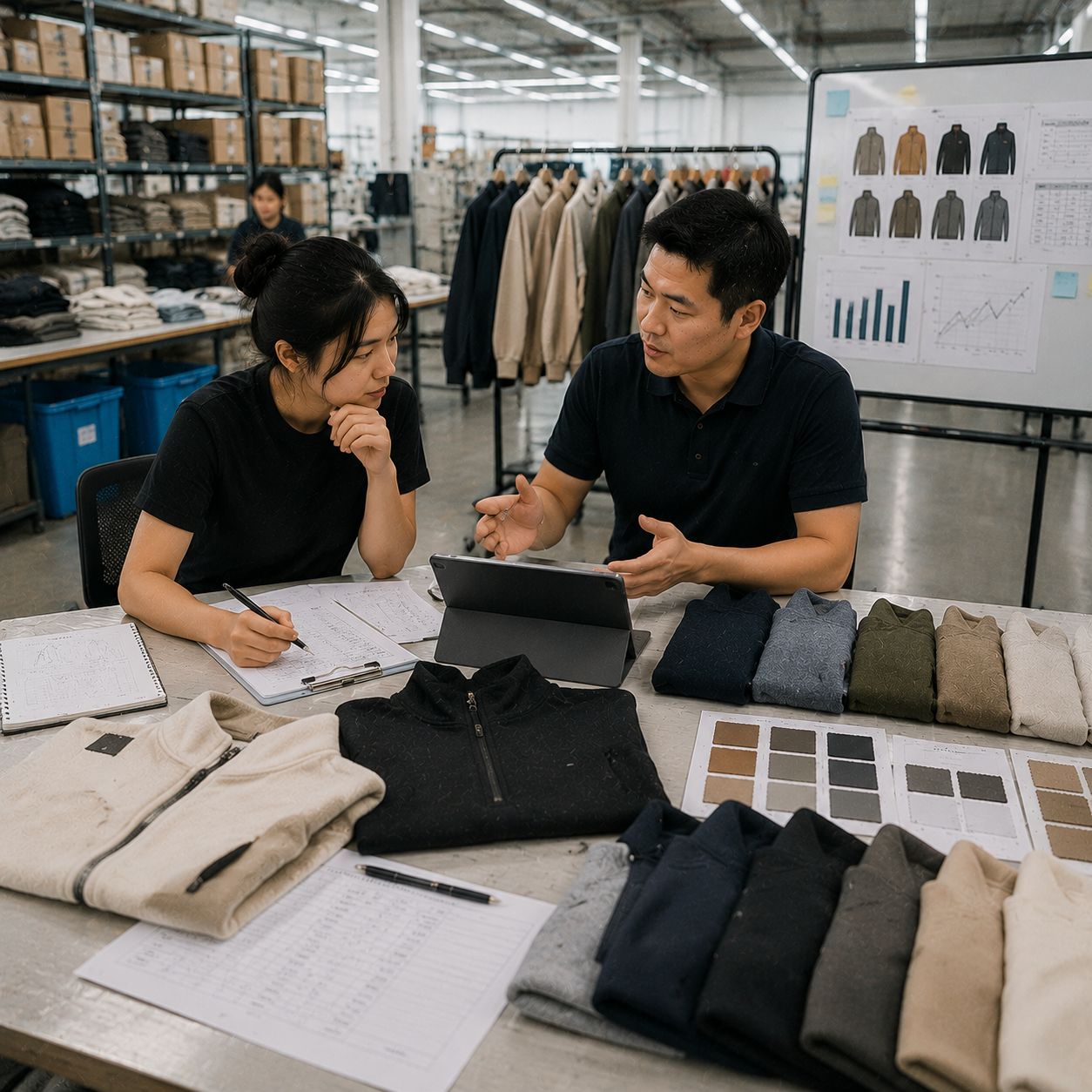
MOQ is one of the most important terms for a new clothing brand.
MOQ = Minimum Order Quantity
Manufacturers may have different requirements depending on:
- Produit
- Tissu
- Couleur
- Production process
- Personnalisation
- Quantité commandée
For startups, MOQ needs to be considered together with expected demand.
Ordering too little may make production inefficient.
Ordering too much may create unnecessary inventory.
The right quantity depends on the individual business.
6. Calculate the Real Cost of Starting Production
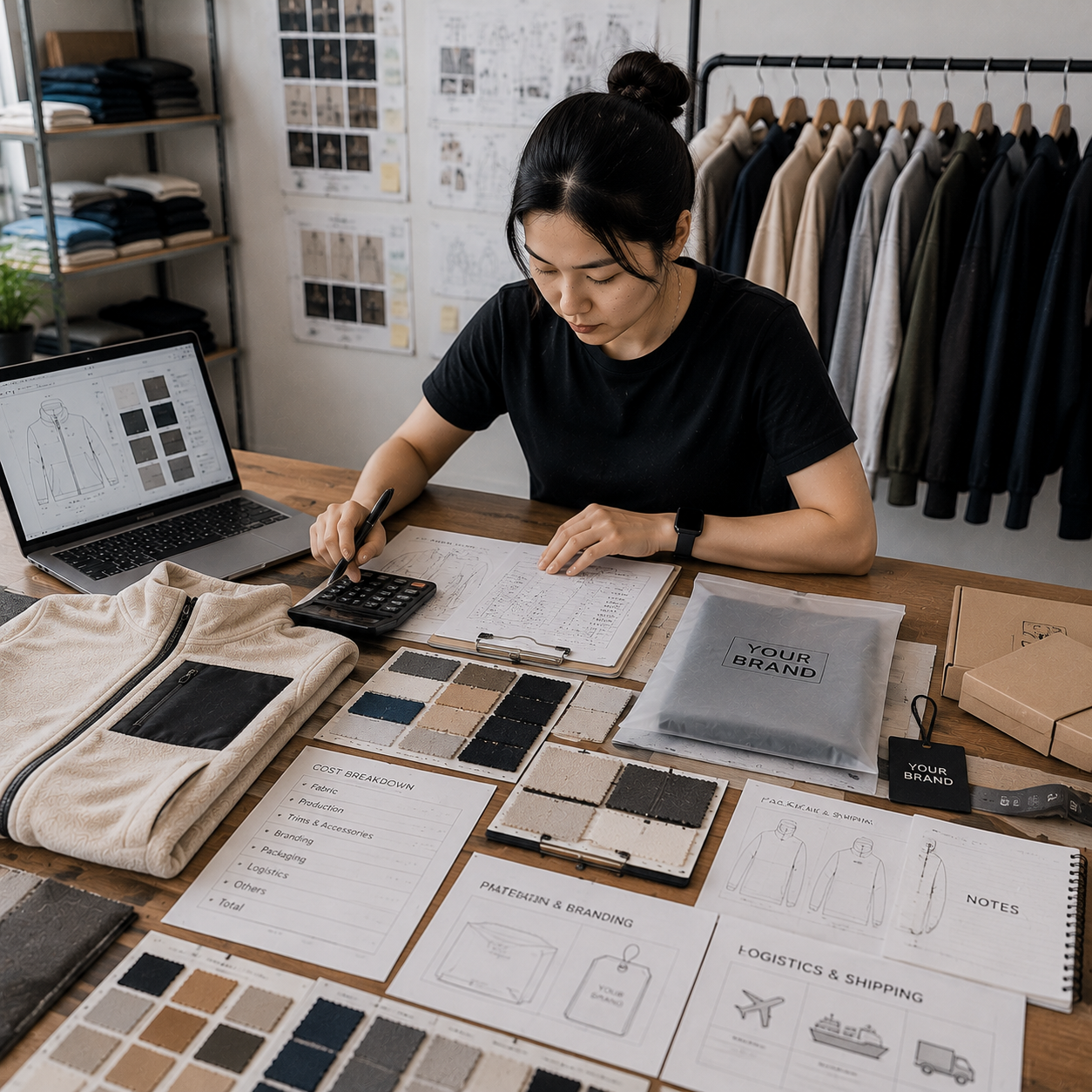
A startup should not calculate its budget using only the garment unit price.
The complete budget may include:
Développement de produits
- Exemples
- Conception de motifs
- Product adjustments
Manufacturing
- Tissu
- Garment production
- Finitions
- Étiquettes
Image de marque
- Impression
- Broderie
- Étiquettes volantes
- Emballage
Logistics
- Shipping
- Customs-related costs
- Warehousing
Understanding the complete cost before placing an order can help prevent unexpected expenses.
7. Choose the Right Fabric
For a startup, fabric selection can become part of the product identity.
A fleece garment, for example, can have very different characteristics depending on its GSM and fiber composition.
When discussing fabric with a manufacturer, consider:
- Fiber content
- GSM
- Sensation au toucher
- Aspect
- Étirement
- Chaleur
- Durabilité
- Couleur
KALAIBEN's business model includes both garment production and knitted fabric production, allowing fabric requirements to be considered as part of the wider textile and garment production process.
8. Do Not Ignore Quality Control
A startup's first products create the customer's first impression of the brand.
Quality problems can therefore be particularly damaging.
Before production, define your quality expectations.
Vérifier :
- Dimensions
- Tissu
- Couture
- Couleur
- Logo
- Zippers
- Buttons
- Étiquettes
- Emballage
Quality requirements should be communicated clearly before bulk production begins.
9. Consider Manufacturing Experience
A startup can benefit from working with a manufacturer that has experience serving different clothing projects and markets.
KALAIBEN's company profile describes experience across knitted and woven casual garments and outdoor sportswear, as well as the company's own BOWTAD children's brand and KALAIBEN adult casualwear brand.
The company has also developed cooperation with various external brands, reflected in the cooperation-brand portfolio provided for the company's website.
For a startup, manufacturing experience can be useful when discussing product specifications, fabrics, sampling, production quantities, and future product development.
However, startups should still evaluate a supplier based on their specific project requirements rather than relying only on a manufacturer's customer list.
10. Think About Your Second Order
A startup's first production order is only the beginning.
If the product performs well, the brand may need to:
- Reorder the same style
- Add new colors
- Expand the size range
- Develop new products
- Increase quantities
- Create seasonal collections
This is why startups should consider long-term compatibility when choosing a manufacturer.
Demandez :
Can this manufacturer support the brand if the business grows?
11. Why KALAIBEN Is Relevant to Clothing Startups
KALAIBEN is an integrated textile and garment company with capabilities covering fabric and garment production.
According to the company's profile, its Jiangxi subsidiary has a production base covering approximately 30 mu, with around 26,000㎡ of construction area. The profile states that the garment factory has more than 380 employees and annual garment production of approximately 700,000–1,000,000 pieces.
The company focuses on knitted and woven casual garments and outdoor sportswear, while also developing its own children's and adult clothing brands.
For startups, this provides a practical manufacturing environment for discussing product development according to specific garment requirements.
Instead of approaching production only as a simple purchasing process, startups can communicate requirements around:
Fabric + Design + Size + Color + Branding + Quantity + Quality
This approach can help turn an initial product idea into a more clearly defined production project.
What Should a Clothing Startup Send to a Manufacturer?
When contacting a manufacturer, prepare the following information whenever possible:
1. Product Reference
Photos, sketches, or technical drawings.
2. Fabric Requirements
Composition, GSM, color, and other known specifications.
3. Size Information
Size range and measurement requirements.
4. Branding
Logo files, labels, embroidery, printing, or other branding requirements.
5. Quantity
Expected order quantity and color breakdown.
6. Packaging
Hangtags, polybags, cartons, or other packaging requirements.
The more complete the information, the easier it is for the manufacturer to understand the project.
Common Mistakes Clothing Startups Make
1. Starting Production Before Confirming the Sample
Always confirm the product before bulk manufacturing.
2. Choosing Only the Cheapest Manufacturer
Price is only one part of the manufacturing decision.
3. Ordering Too Much
Inventory should be planned according to realistic demand.
4. Ignoring Fabric Specifications
The same product category can use very different fabrics.
5. Not Planning for Repeat Orders
A successful product may require consistent future production.
FAQ
What are the best clothing manufacturers for startups?
The best manufacturer depends on the startup's product category, budget, quantity, fabric requirements, and development needs.
How do startups find clothing manufacturers?
Startups can research manufacturers by product category, location, manufacturing capabilities, MOQ, sampling services, and previous experience.
What MOQ should a startup expect?
MOQ varies by manufacturer and product. It may also vary according to fabric, color, and customization requirements.
Should a startup make a sample before placing a bulk order?
Yes. Sampling is an important way to confirm the product before committing to larger production quantities.
Can a clothing manufacturer help a startup develop products?
Depending on the manufacturer's capabilities, it may be possible to discuss fabric selection, product specifications, sampling, and production preparation.
Conclusion
Finding suitable clothing manufacturers for startups requires more than searching for the lowest production price.
A startup should evaluate the manufacturer's:
- Expérience produit
- Caractéristiques des tissus
- Quantité minimale de commande
- Sampling process
- Exigences de qualité
- Communication
- Production capabilities
- Capacité à répondre aux commandes futures
KALAIBEN's integrated textile and garment business, experience with knitted and woven casualwear and outdoor sportswear, and its own product development provide a practical foundation for working with brands that need to move from product concept to manufacturing.
If you are developing a new clothing brand, contact KALAIBEN with your product idea, fabric requirements, estimated quantity, and target specifications to discuss your manufacturing project.











