




KALAIBEN Apparel Factory : un fabricant professionnel de vêtements pour des marques internationales
Date de publication :2026-09-16 Catégorie :ACTUALITÉS Nombre de visites :479
When brands search for a reliable clothing production partner, they need more than a factory that can make garments. They need a manufacturer with stable production capacity, product development
experience, quality control systems, and the ability to support long-term growth. KALAIBEN apparel factory provides professional apparel manufacturing solutions for global brands, retailers, and business partners looking for reliable OEM and ODM production.
Choosing the right apparel manufacturer directly affects product quality, delivery time, and brand reputation. A professional factory should understand not only production but also design development, material selection, construction details, and market requirements.
This guide explains what makes KALAIBEN a trusted apparel manufacturing partner and how global brands can evaluate an apparel factory before starting cooperation.
1. What Is KALAIBEN Apparel Factory?

A modern apparel factory does more than cut and sew garments.
Today’s brands need manufacturers that can support the complete product journey:
- Concept development
- Approvisionnement en tissus
- Modélisme
- Création d'un échantillon
- Production en série
- Contrôle qualité
- Emballage
- Delivery support
KALAIBEN apparel factory focuses on providing complete apparel manufacturing solutions for brands that require professional production support.
Instead of treating every order as a simple manufacturing task, an experienced factory works as an extension of the brand team.
Example: A growing fashion brand launching a new collection
Imagine a startup brand preparing its first outdoor clothing collection.
The brand needs:
- Functional fabrics
- Accurate sizing
- Consistent stitching
- Étiquettes personnalisées
- Reliable production timing
A professional apparel manufacturer helps transform the initial product idea into a production-ready garment.
That partnership approach is what separates experienced factories from basic suppliers.
2. KALAIBEN Clothing Manufacturer: From Product Development to Production
2.1 Professional Apparel Development Support
A successful garment starts before production begins.
The development stage determines:
- Product structure
- Performances du tissu
- Fit accuracy
- Manufacturing difficulty
- Final customer experience
A capable clothing manufacturer should help brands solve problems early.
Typical product development process:
- Revue de conception
- Choix des matériaux
- Conception de motifs
- Production d'échantillons
- Fit adjustment
- Approbation définitive
- Production en série
Exemple :
A brand wants to create a lightweight jacket.
The first idea may only include appearance requirements.
The manufacturer helps evaluate:
- Which fabric matches the target market
- Which construction improves durability
- Which trims improve functionality
- Which production method controls cost
This reduces mistakes before mass production.
3. KALAIBEN Garment Manufacturer Capabilities
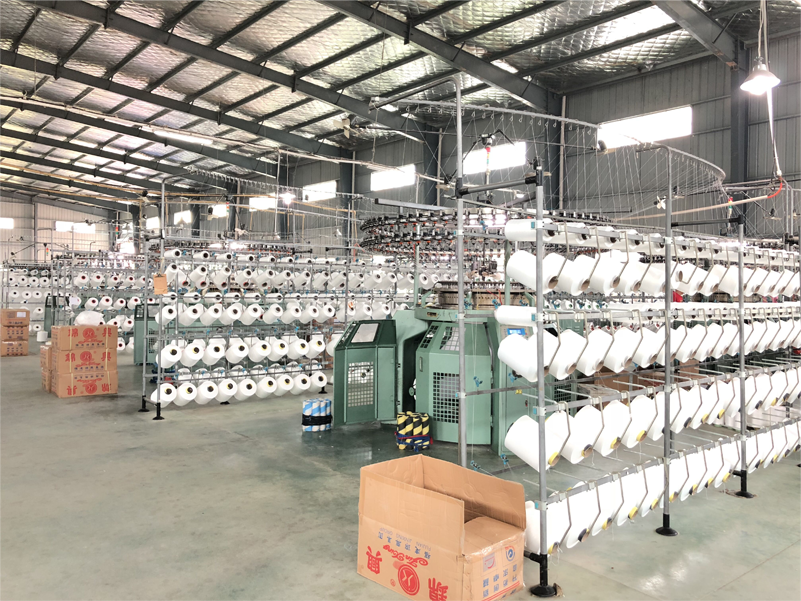
When evaluating a garment supplier, production capability is one of the most important factors.
A reliable manufacturer should have:
- Experienced production teams
- Professional equipment
- Organized workflow
- Quality inspection procedures
- Flexible production solutions
According to KALAIBEN’s official website, the company provides OEM and ODM apparel services covering product development, customization, labeling, and packaging solutions. More information about its manufacturing services can be found at https://www.kalaiben.com/.
3.1 Main Manufacturing Categories
KALAIBEN supports multiple apparel categories, including:
| Product Category | Typical Applications |
|---|---|
| Vestes | Outdoor brands, casual collections |
| Gilets | Lightweight layering products |
| Hoodies & Sweatshirts | Streetwear and lifestyle brands |
| Sweaters | Seasonal collections |
| Vêtements de sport | Active lifestyle products |
| Vêtements de travail | Corporate and functional clothing |
| Vêtements de plein air | Performance-focused products |
| Vêtements pour enfants | Children's clothing brands |
A diversified product range allows brands to work with one manufacturing partner across different collections.
4. KALAIBEN OEM Clothing Factory Services
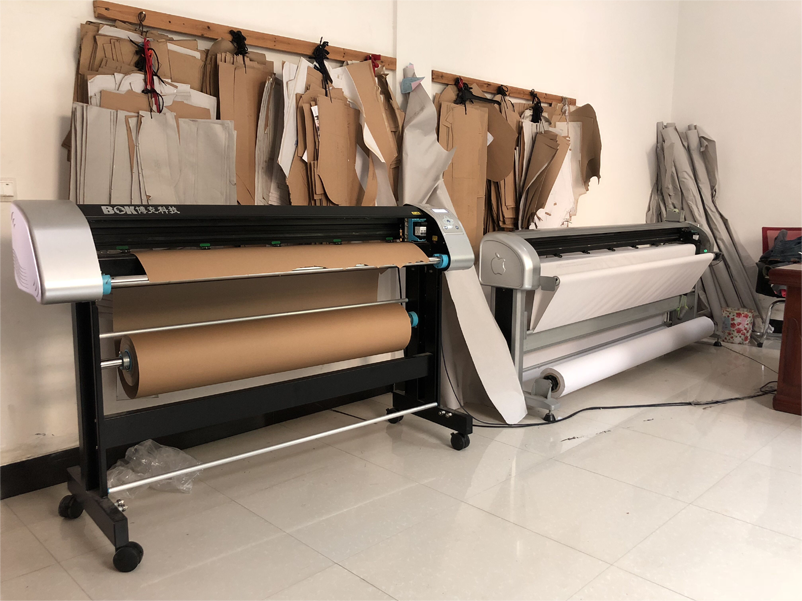
OEM manufacturing allows brands to create products based on their own specifications.
A professional OEM apparel factory should support customization beyond basic production.
4.1 OEM Service Process
The typical OEM workflow includes:
Step 1: Product Requirements
La marque propose :
- Design ideas
- Product references
- Technical drawings
- Quantités de tissu nécessaires
- Quantity requirements
Étape 2 : Élaboration d'échantillons
The factory creates samples to confirm:
- Ajustement
- Matériaux
- Construction
- Aspect
Step 3: Production
After approval:
- Materials are prepared
- Production begins
- Quality checks are performed
- Finished products are packed
Exemple :
A sportswear brand wants a customized training jacket.
The manufacturer needs to understand:
- Breathability requirements
- Poids du tissu
- Stretch performance
- Construction de la pièce cousue
- Branding details
OEM cooperation works best when communication between brand and factory is clear.
5. KALAIBEN ODM Apparel Manufacturer: Supporting Brand Development
ODM manufacturing provides more development support.
Instead of starting completely from zero, brands can work with manufacturers that understand:
- Existing product solutions
- Choix de tissus
- Manufacturing techniques
- Market trends
Tableau comparatif OEM vs ODM
| Facteur | OEM Manufacturing | ODM Manufacturing |
|---|---|---|
| Source du design | Brand provides design | Manufacturer provides development support |
| Customization Level | Élevé | Flexible |
| Soutien au développement | Moyen | Plus élevé |
| Suitable For | Marques bien établies | New brands and growing companies |
| Product Creation Speed | Depends on design readiness | Often faster |
Exemple :
A new apparel brand wants to launch fleece jackets but does not have technical experience.
An ODM partner can help recommend:
- Suitable fleece materials
- Construction methods
- Product improvements
Cela peut permettre de raccourcir le processus de développement.
6. Why Brands Choose a Professional Apparel Factory
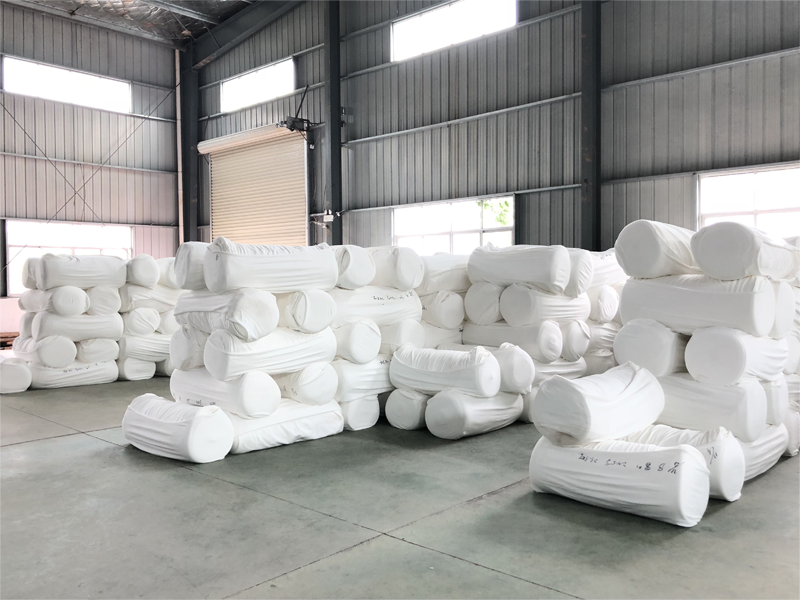
Selecting a manufacturer is a long-term business decision.
The right factory affects:
- Cohérence du produit
- Customer satisfaction
- Production efficiency
- Brand growth
Important Evaluation Factors
6.1 Expérience dans le domaine de la fabrication
Experience helps manufacturers understand common production challenges.
Examples:
- Fabric shrinkage
- Color differences
- Sewing problems
- Measurement accuracy
An experienced factory can identify these issues earlier.
6.2 Quality Control System
Quality should be managed throughout production.
A complete quality process may include:
- Contrôle des tissus
- Contrôle de la découpe
- Contrôle de la couture
- Contrôles des mesures
- Final product inspection
Exemple :
For a hoodie production order, quality control should check:
- Fabric weight consistency
- Longueur des manches
- Stitch strength
- Position d'impression
- Dernière apparition
Checking only finished products is often too late.
6.3 Production Communication
Clear communication reduces production risks.
Brands should look for suppliers that provide:
- Clear quotations
- Sample feedback
- Production updates
- Problem-solving communication
A good manufacturer does not only receive instructions.
It actively helps solve production challenges.
7. KALAIBEN Factory China: Production Advantages for Global Buyers
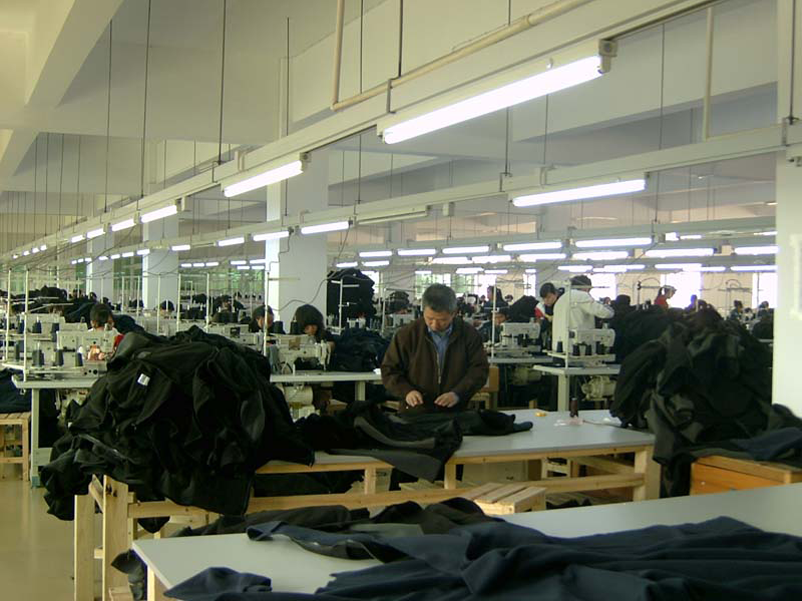
Many international brands work with Chinese apparel manufacturers because of:
- Complete supply chains
- Experienced production workers
- Wide fabric choices
- Mature manufacturing systems
However, the factory selection process matters.
Not every supplier provides the same level of service.
What Global Buyers Should Check
| Point d'évaluation | Pourquoi est-ce important ? |
|---|---|
| Factory experience | Réduit les risques liés à la production |
| Catégories de produits | Confirms technical ability |
| Exemple de processus | Improves final quality |
| Capacité de production | Supports future growth |
| Communication | Improves cooperation efficiency |
| Contrôle qualité | Protects brand reputation |
Exemple :
A European outdoor brand may need:
- Functional jackets
- Seasonal production planning
- Stable repeat orders
The right factory should support both the first order and future expansion.
8. KALAIBEN Clothing Supplier for Growing Brands
Small and medium brands often need more than production.
They need a partner that understands growth stages.
A reliable apparel supplier can help brands with:
- Small product launches
- Collection expansion
- Custom development
- Production en série
- New category exploration
Common Brand Situations
Situation 1: New Brand Launch
Besoin :
- Développement de produits
- Sampling support
- Flexible production quantities
Situation 2: Growing Brand Expansion
Besoin :
- Une qualité constante
- Larger production capacity
- Faster repeat orders
Situation 3: Established Brand Optimization
Besoin :
- Better production efficiency
- Cost management
- Reliable supply chain
A strong apparel partner should adapt to different business stages.
9. How to Start Cooperation With KALAIBEN Apparel Factory
Before contacting a manufacturer, brands should prepare clear information.
Recommended Preparation Checklist
Informations sur le produit
- Catégorie de produits
- Références en matière de conception
- Quantités de tissu nécessaires
- Quantité visée
- Gamme de tailles
- Choix de couleurs
Informations sur l'image de marque
- Logo requirements
- Label details
- Exigences en matière d'emballage
- Target market
Production Information
- Expected timeline
- Exigences de qualité
- Shipping destination
Exemple :
Au lieu de demander :
"Can you make jackets?"
Provide:
"We need 500 lightweight outdoor jackets with waterproof fabric, custom labels, and delivery within three months."
Clear information helps manufacturers provide more accurate solutions.
10. Questions to Ask Before Choosing an Apparel Manufacturer
Before starting cooperation, brands should evaluate:
Questions relatives à la production
- What products do you specialize in?
- Can you provide samples?
- What is your production process?
- Comment assurez-vous le contrôle qualité ?
Customization Questions
- Can you develop custom designs?
- Can you provide OEM services?
- Can you support private labeling?
- Can you help with packaging?
Partnership Questions
- How do you handle repeat orders?
- How do you communicate production updates?
- Can you support brand growth?
A factory’s answers reveal whether it can become a long-term manufacturing partner.
11. KALAIBEN Apparel Factory: Building Long-Term Brand Partnerships
The apparel industry changes quickly.
Brands need suppliers that can respond to:
- New designs
- Changing customer demand
- Different production volumes
- Market trends
A professional apparel factory should provide more than manufacturing capacity.
It should provide reliability.
For global brands, the ideal manufacturing relationship includes:
- Product expertise
- Une qualité constante
- Clear communication
- Flexible solutions
- Coopération à long terme
KALAIBEN focuses on helping brands develop and produce apparel products through professional OEM and ODM manufacturing services.
You can learn more about KALAIBEN’s manufacturing capabilities and product solutions at https://www.kalaiben.com/.
12. KALAIBEN Apparel Factory Checklist
Before choosing an apparel manufacturing partner, consider:
| Checklist | Importance |
|---|---|
| Manufacturing experience | Élevé |
| Product category match | Élevé |
| OEM/ODM capability | Élevé |
| Élaboration d'échantillons | Élevé |
| Contrôle qualité | Élevé |
| Communication ability | Élevé |
| Production flexibility | Élevé |
| Long-term cooperation ability | Élevé |
13. Final Thoughts: Choosing the Right Apparel Manufacturing Partner
Trouver le bon KALAIBEN apparel factory partner means looking beyond production price.
A professional manufacturer should help brands create better products, reduce production risks, and build reliable supply chains.
The key factors include:
- Strong development support
- Experienced production capability
- Flexible OEM and ODM services
- Reliable quality control
- Long-term partnership mindset
For brands searching for a professional apparel manufacturing partner, KALAIBEN provides a complete approach from product development to finished garment production.
Visit https://www.kalaiben.com/ to explore more about KALAIBEN apparel manufacturing solutions.











