




Cagoule Sherpa : guide complet sur la chaleur, les matières, les styles et la fabrication sur mesure
Date de publication :2026-09-01 Catégorie :ACTUALITÉS Nombre de visites :618
Introduction
A Cagoule Sherpa is becoming an increasingly popular winter accessory for outdoor activities, cold-weather protection, and modern winter fashion.
Combining the full coverage of a traditional balaclava with the soft texture of Sherpa fleece, this type of headwear provides warmth, comfort, and a premium appearance.
Today, Sherpa balaclavas are used not only for skiing and outdoor sports but also for streetwear, travel, and lifestyle collections. For clothing brands and retailers, understanding the fabric, construction, and customization options is important when developing winter accessories.
What Is a Sherpa Balaclava?
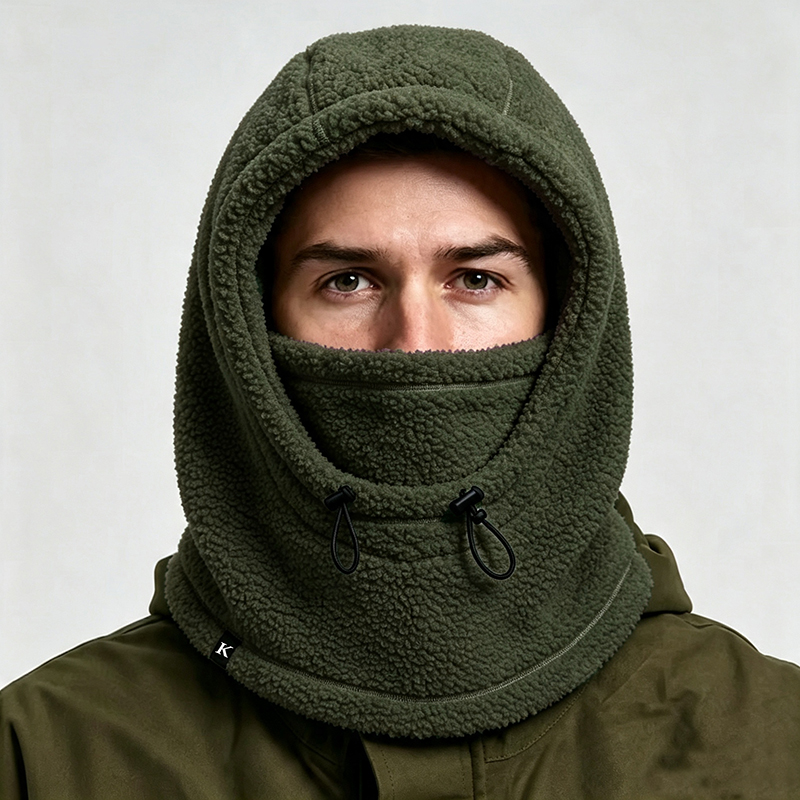
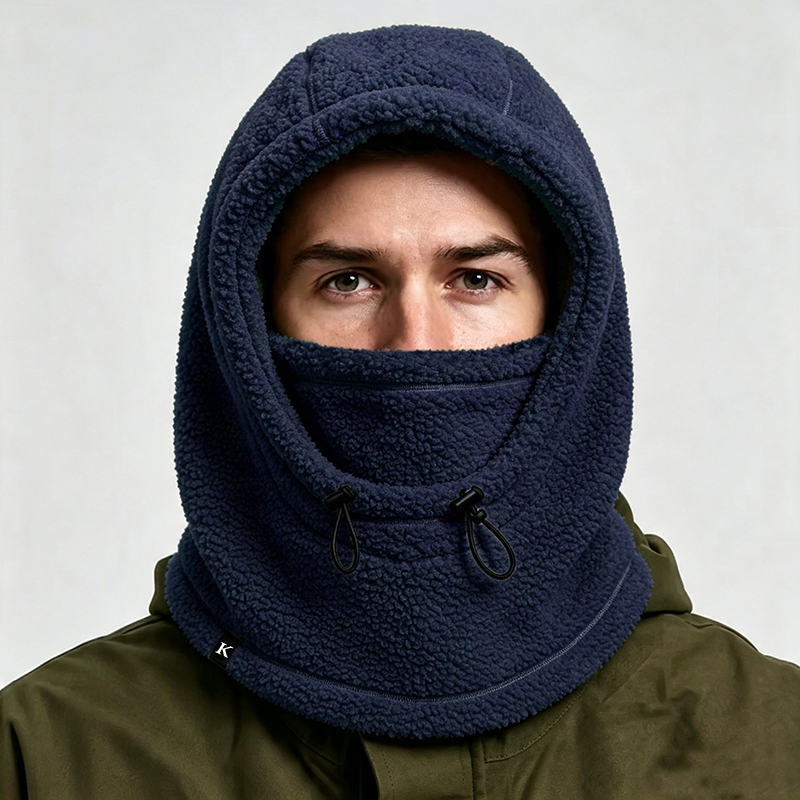
A Sherpa balaclava is a winter head covering made with Sherpa fleece fabric or Sherpa lining. It is designed to protect the head, ears, neck, and face area from cold weather.
Compared with traditional knitted balaclavas, Sherpa balaclavas provide:
- Softer hand feel
- Better thermal comfort
- Plush texture
- Cozy winter appearance
They are commonly used in:
- Skiing
- Snowboarding
- Hiking
- Camping
- Winter travel
- Outdoor work
- Streetwear fashion
The combination of warmth and modern design has made Sherpa balaclavas a popular choice for both performance and lifestyle brands.
Why Is Sherpa Fleece Popular for Balaclavas?
Sherpa fleece is a soft pile fabric with a wool-like appearance. It is usually made from polyester fibers and designed to provide warmth while maintaining lightweight comfort.
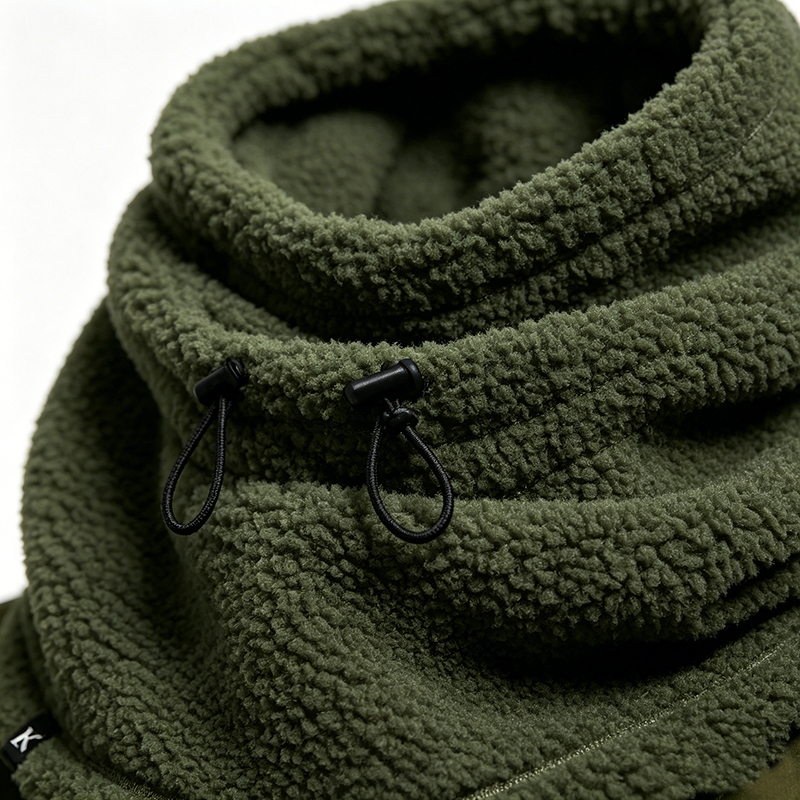
Soft and Comfortable Texture
One of the biggest advantages of Sherpa fabric is its soft surface.
Because balaclavas are worn directly around the face and neck, fabric comfort is especially important. A high-quality Sherpa fleece provides a comfortable feeling during extended wear.
Excellent Warmth
The fluffy structure of Sherpa fleece helps create air pockets that improve insulation.
This makes Sherpa suitable for winter accessories where warmth and comfort are key requirements.
Fashion-Friendly Appearance
Unlike traditional technical fabrics, Sherpa has a unique visual texture.
The plush surface creates a cozy outdoor style that fits well with:
- Winter jackets
- Outdoor collections
- Casual apparel
- Streetwear products
Sherpa Balaclava vs Fleece Balaclava
Although both Sherpa and fleece are popular winter materials, they offer different characteristics.
| Fonctionnalité | Cagoule Sherpa | Fleece Balaclava |
|---|---|---|
| Surface | Soft fluffy texture | Smooth brushed surface |
| Aspect | Cozy and premium | Clean and technical |
| Chaleur | High insulation feeling | Lightweight warmth |
| Idéal pour | Winter lifestyle and outdoor use | Sports and active use |
For some products, manufacturers combine both materials by using:
Outer fabric + Sherpa lining
This construction improves durability, structure, and comfort.
Common Sherpa Balaclava Styles
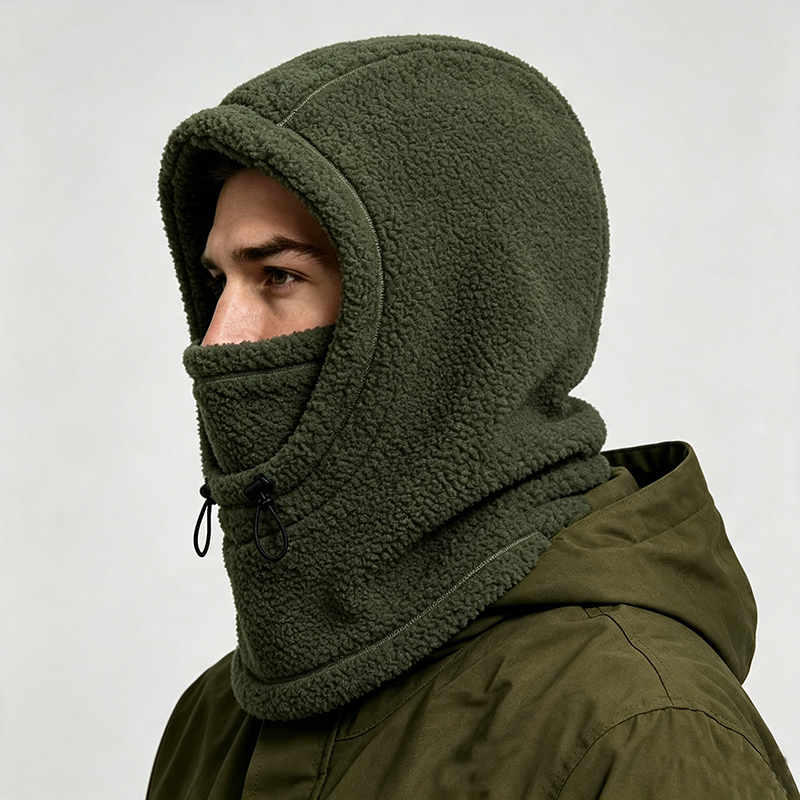
Full Face Sherpa Balaclava
A full-face design provides maximum coverage for:
- Head
- Ears
- Face
- Cou
It is suitable for colder environments such as skiing, snowboarding, and winter outdoor activities.
Important design factors include:
- Comfortable face opening
- Respirabilité
- Helmet compatibility
- Proper fitting
Open Face Sherpa Balaclava
An open-face design leaves the face area uncovered.
Advantages include:
- Easier breathing
- Better daily comfort
- More flexible styling
This style is often used for outdoor activities and casual winter wear.
Sherpa Hood Balaclava
A Sherpa hood combines:
- Hood design
- Balaclava coverage
- Neck protection
This style has become popular in winter fashion because it creates a unique silhouette while maintaining warmth.
How to Choose the Right Sherpa Fabric for a Balaclava?
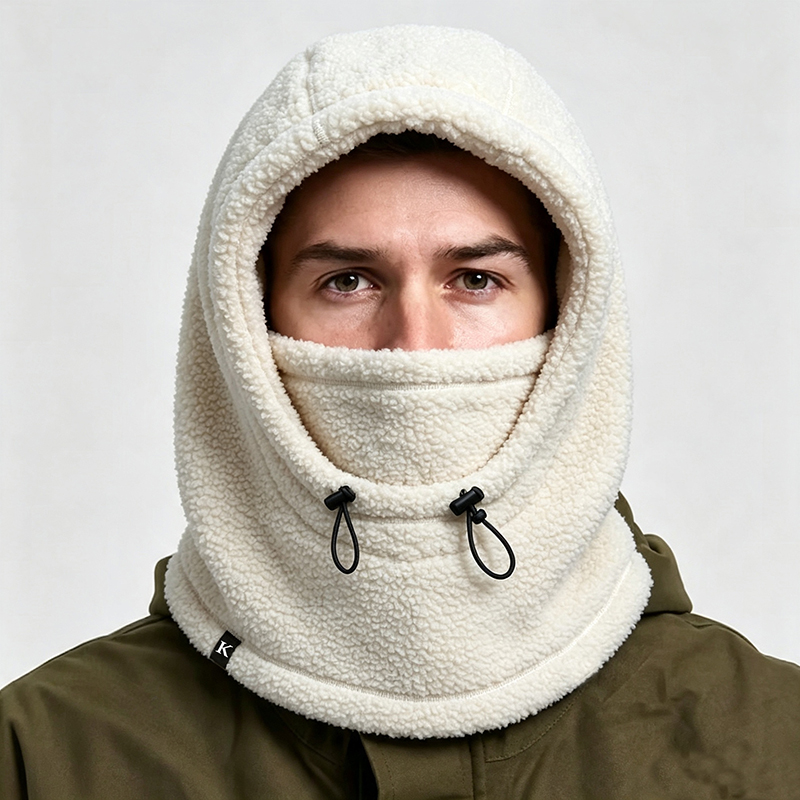
When developing a Sherpa balaclava, brands should consider several fabric factors.
Fabric Weight
Fabric weight influences warmth and thickness.
However, GSM should be considered together with:
- Composition en fibres
- Fabric density
- Pile height
- Product construction
For example, a heavyweight Sherpa fleece can provide stronger warmth and a more premium feel.
A typical Sherpa balaclava development may use fabrics such as:
- Lightweight Sherpa fleece
- Midweight Sherpa fleece
- Heavyweight Sherpa fleece
The suitable option depends on the target market and usage scenario.
Fabric Composition
Polyester Sherpa fleece is widely used because it offers:
- Durabilité
- Easy care
- Stable performance
- Soft texture
For example, some custom Sherpa balaclava products use 100% polyester Sherpa fleece with around 370gsm, providing a thick and comfortable winter construction.
Applications of Sherpa Balaclavas
Outdoor Sports
Sherpa balaclavas are widely used for:
- Skiing
- Snowboarding
- Hiking
- Camping
Outdoor brands usually focus on:
- Chaleur
- Comfort
- Étirement
- Helmet compatibility
Winter Fashion
Balaclavas have expanded beyond outdoor equipment and become part of winter fashion trends.
Sherpa materials are especially suitable because they create:
- Soft visual texture
- Premium appearance
- Cozy lifestyle feeling
They can be matched with:
- Puffer jackets
- Fleece jackets
- Outdoor coats
- Casual winter outfits
Workwear and Cold Environments
Sherpa balaclavas can also be developed for cold working conditions.
Typical applications include:
- Outdoor workers
- Cold storage environments
- Winter construction
These products usually prioritize warmth, durability, and long wearing comfort.
Custom Sherpa Balaclava Manufacturing
For brands developing their own winter accessory collections, Sherpa balaclavas can be customized in many ways.
Choix de tissus
Manufacturers can develop:
- Sherpa fleece
- Sherpa lining
- Polyester fleece
- Recycled fleece options
- Mixed fabric constructions
Design Customization
Options include:
- Pattern design
- Hood shape
- Face opening
- Neck coverage
- Drawcord adjustment
- Stitching details
Branding Options
Private label options may include:
- Étiquettes tissées
- Broderie
- Printed logos
- Emballages sur mesure
- Étiquettes volantes
OEM suppliers commonly support these customization services for winter accessory brands.
Sherpa Balaclava Manufacturing Process
A professional development process usually includes:
1. Fabric Selection
Choose the right:
- Sherpa type
- Poids du tissu
- Couleur
- Exigences de performance
2. Pattern Development
Create product patterns based on:
- Target users
- Fit requirements
- Wearing scenarios
3. Sample Development
Prototype samples are produced to evaluate:
- Comfort
- Aspect
- Function
4. Production and Quality Control
Final production includes:
- Fabric cutting
- Couture
- Inspection
- Emballage
How to Choose a Sherpa Balaclava Manufacturer?
When selecting a supplier, brands should evaluate:
Fabric Development Capability
A professional manufacturer should understand:
- Sherpa fleece materials
- Performances du tissu
- Winter product construction
Sampling Ability
A reliable supplier should support:
- Prototype development
- Product adjustments
- Custom designs
Production Experience
Experience with:
- Knit apparel
- Articles en polaire
- Outdoor accessories
can help ensure consistent quality.
FAQ
Is Sherpa warmer than fleece?
Sherpa usually provides a warmer and softer wearing experience because of its thicker pile structure. However, actual performance depends on fabric construction and product design.
Can Sherpa balaclavas be customized?
Yes. Brands can customize fabric, color, design, labels, packaging, and other details.
Are Sherpa balaclavas suitable for skiing?
Yes. With suitable construction, Sherpa balaclavas can be designed for skiing, snowboarding, and other winter outdoor activities.
Conclusion
Sherpa balaclavas combine warmth, comfort, and modern winter style, making them suitable for outdoor brands, fashion companies, and lifestyle collections.
From fabric selection to product development, choosing the right construction and manufacturing partner is essential for creating high-quality winter accessories.
With professional fabric knowledge and apparel manufacturing experience, brands can develop Sherpa balaclavas that meet both functional and market demands.











