




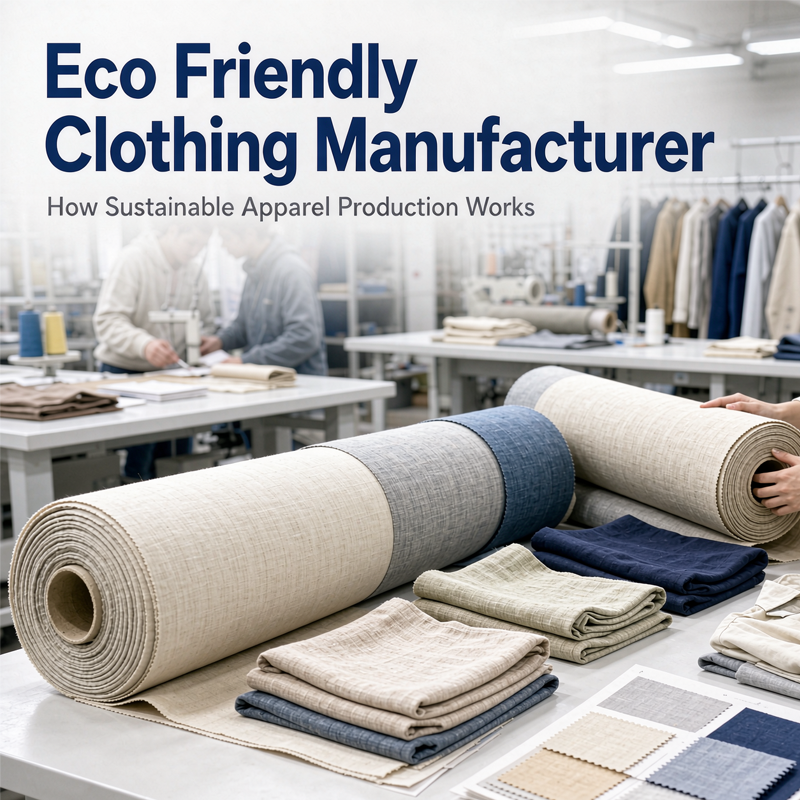
Eco Friendly Clothing Manufacturer: How Sustainable Apparel Production Works
Publicēšanas datums:2026-09-04 Kategorija:Ziņas Apskates skaits:484
Ievads
Sustainability has become an important consideration for many apparel brands.
Consumers increasingly pay attention to where clothing comes from, what materials are used, and how products are manufactured.
For brands developing new collections, choosing an eco friendly clothing manufacturer can help create apparel that aligns with environmental goals while maintaining product quality.
However, sustainable manufacturing involves more than using recycled fabrics.
It includes material selection, production processes, waste management, resource efficiency, and responsible supply chain practices.
This guide explains what brands should understand when working with an eco friendly clothing manufacturer.
1. What Is an Eco Friendly Clothing Manufacturer?
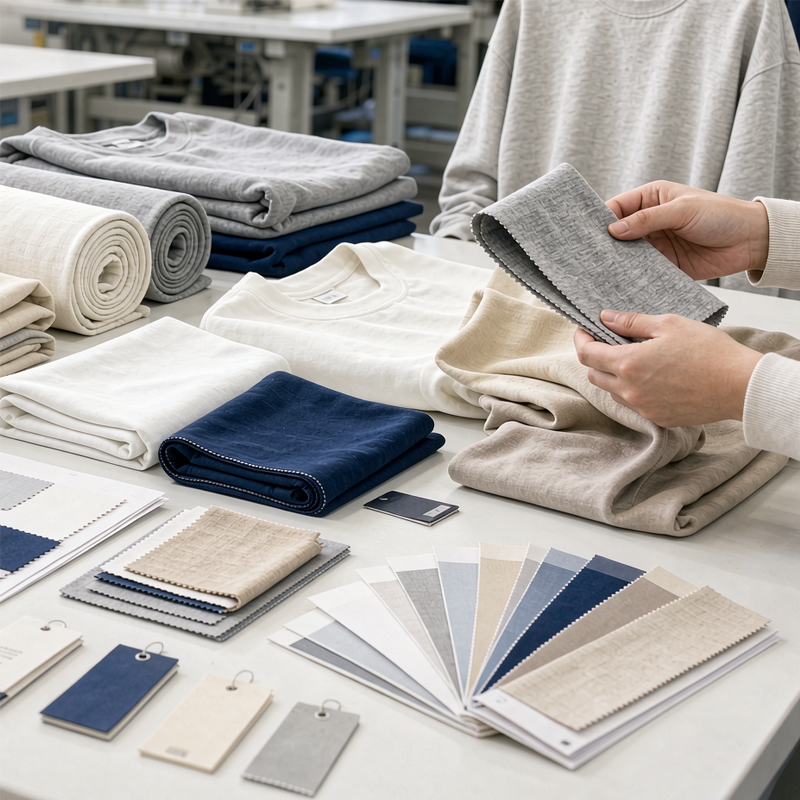
An eco friendly clothing manufacturer is a garment producer that considers environmental impact throughout the production process.
This may include:
- Sustainable fabric options
- Reduced waste production
- Responsible resource usage
- Better production efficiency
- Environment-conscious manufacturing practices
The exact sustainability approach varies between manufacturers.
Brands should evaluate specific practices rather than relying only on general sustainability claims.
2. Why Are Brands Looking for Sustainable Manufacturers?
Sustainability can influence purchasing decisions and brand positioning.
Brands choose sustainable manufacturing because they want to:
Build Consumer Trust
Customers increasingly want more information about how products are made.
Develop Responsible Products
Sustainable materials and processes can become part of the product story.
Improve Long-Term Brand Value
Responsible production practices can support stronger brand positioning.
3. Sustainable Fabrics Used in Apparel Production
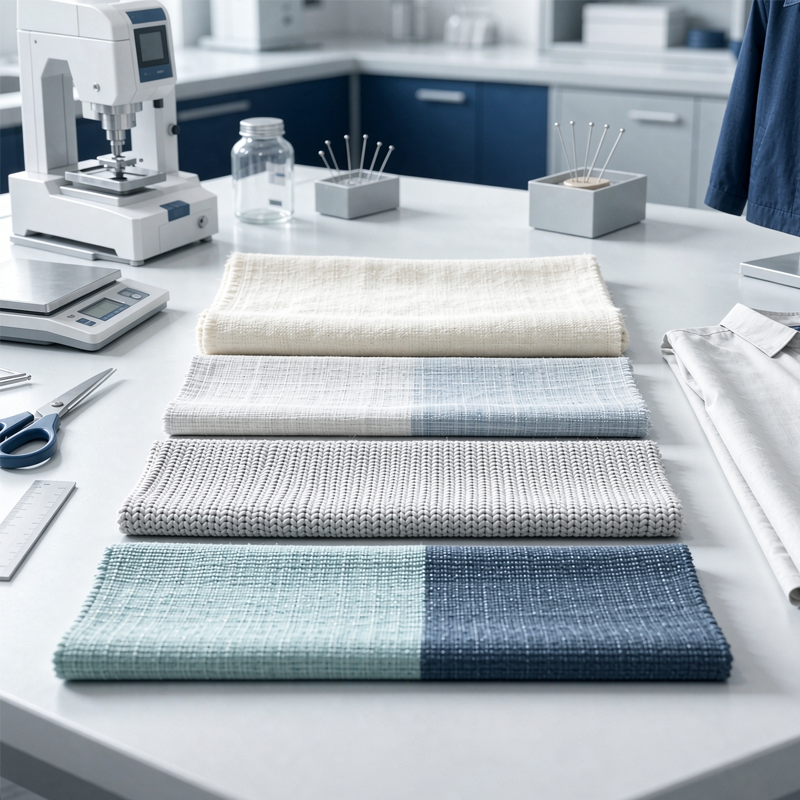
Material selection is one of the most visible parts of sustainable clothing development.
Common sustainable fabric options include:
Organic Cotton
Produced with farming methods designed to reduce certain environmental impacts.
Recycled Polyester
Uses recycled materials to create new textile fibers.
Recycled Fabrics
Different recycled fibers can be incorporated into apparel products.
Responsible Material Selection
Brands should consider:
- Fabric source
- Veiktspēja
- Izturība
- Prasības produktam
The most suitable material depends on the garment's purpose.
4. Sustainable Manufacturing Practices
An eco friendly manufacturer may focus on improving production efficiency.
Examples include:
- Reducing material waste
- Improving cutting efficiency
- Managing energy usage
- Optimizing production processes
- Reducing unnecessary packaging
Sustainability is often achieved through many small improvements across the manufacturing workflow.
5. The Role of Quality in Sustainable Clothing
Sustainable apparel is not only about materials.
Product durability is also important.
A garment that maintains quality and lasts longer can reduce unnecessary replacement.
Brands should consider:
- Fabric durability
- Sewing quality
- Celtniecība
- Apdare
- Product lifespan
Good manufacturing quality supports more responsible consumption.
6. How to Choose an Eco Friendly Clothing Manufacturer

Brands should ask:
What Sustainable Materials Are Available?
Understand fabric options and certifications.
What Production Practices Are Used?
Ask about manufacturing processes.
How Is Quality Controlled?
Sustainable products still require reliable quality.
Can They Provide Documentation?
Transparency is important when evaluating sustainability claims.
Do They Understand Your Product Category?
Different garments require different production knowledge.
7. Sustainable Manufacturing and Product Development
Sustainability should be considered from the beginning.
During development, brands can discuss:
- Fabric choices
- Product lifespan
- Packaging options
- Production efficiency
- Manufacturing methods
Early planning makes sustainable decisions easier to implement.
8. Questions to Ask Before Working With a Sustainable Manufacturer
Brands can ask:
- What sustainable fabrics do you provide?
- Where are materials sourced?
- What environmental practices are used?
- How is waste managed?
- What certifications are available?
- How do you maintain product quality?
Clear communication helps brands understand the manufacturer's actual capabilities.
9. Why Transparency Matters

Sustainability requires trust.
A reliable manufacturer should provide clear information about:
- Materiāli
- Production processes
- Kvalitātes standarti
- Supply chain practices
Transparency helps brands communicate honestly with customers.
Secinājums
Izvēloties eco friendly clothing manufacturer allows apparel brands to consider environmental responsibility during product development.
Sustainable apparel production involves more than selecting environmentally friendly fabrics.
It includes responsible material choices, efficient manufacturing processes, quality control, and transparent communication.
For brands building long-term products, the right sustainable manufacturing partner can help balance environmental goals with product performance and commercial requirements.











