



Experienced ODM Clothing China: How to Choose the Right Factory
Date: 2026-10-14 Categories: NEWS Views: 273
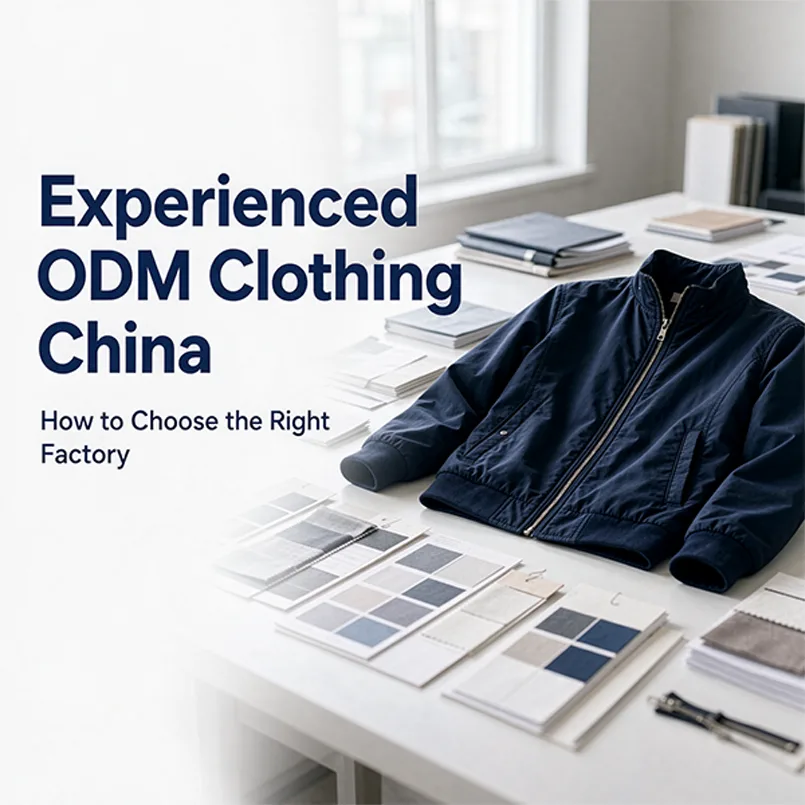
Experienced ODM Clothing China: How to Choose a Factory
Looking for experienced ODM clothing in China? Learn how to evaluate product development, samples, MOQ, quality control, and supplier reliability.
An experienced ODM clothing manufacturer in China should do more than produce garments. It should help turn a product concept or reference design into a manufacturable product, from fabric selection and pattern development to sample approval and bulk production. Before choosing a supplier, verify its experience with similar garments, assess its development process, and confirm how it controls quality and costs.
1. What Does an Experienced China ODM Clothing Factory Offer?
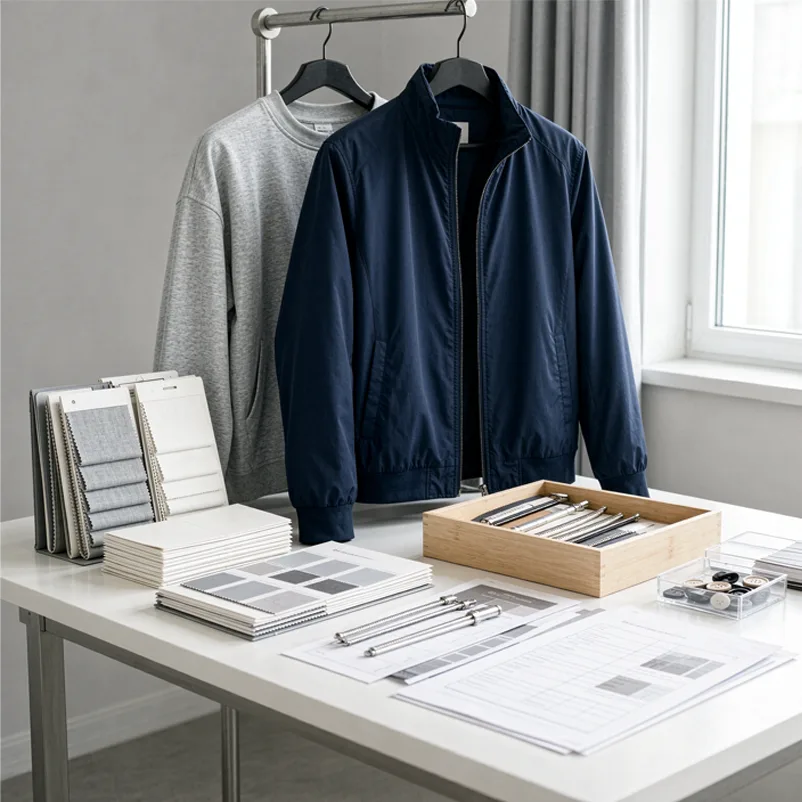
ODM stands for Original Design Manufacturing. In apparel, the manufacturer contributes to product development and production based on the buyer’s concept, reference, or requirements.
Depending on the supplier, ODM services may include:
- Design adaptation and product development
- Fabric and trim sourcing
- Pattern making and sample development
- Fit adjustments and construction revisions
- Private-label details and packaging
- Bulk production and quality inspection
Not every factory offers the same level of ODM support. Some specialize in adapting existing styles, while others can develop more complex garments from an initial concept.
The key is to match the factory’s actual development capabilities to your product requirements.
2. How to Verify a Factory’s ODM Experience
Years in business alone do not prove that a factory is right for your product. Ask for evidence of relevant experience.
2.1 Check Similar Garments
Request examples of garments with similar fabrics, construction, and functional details.
For example, a brand developing an outdoor jacket should look for experience with lining, zippers, pocket construction, and suitable shell fabrics—not just a portfolio of basic T-shirts.
2.2 Evaluate Technical Feedback
Share a sketch, reference garment, or preliminary product brief. Observe whether the factory identifies missing specifications, material limitations, or construction issues.
Useful feedback should explain what needs clarification and how different choices may affect cost, fit, or production.
2.3 Clarify Who Handles Development
Ask who is responsible for pattern making, sample revisions, material sourcing, and production coordination. If any process is outsourced, clarify how it is managed and checked.
A capable ODM partner should explain its responsibilities instead of making broad promises about being a full-service manufacturer.
3. Evaluate the Sample Before Committing to Bulk Production
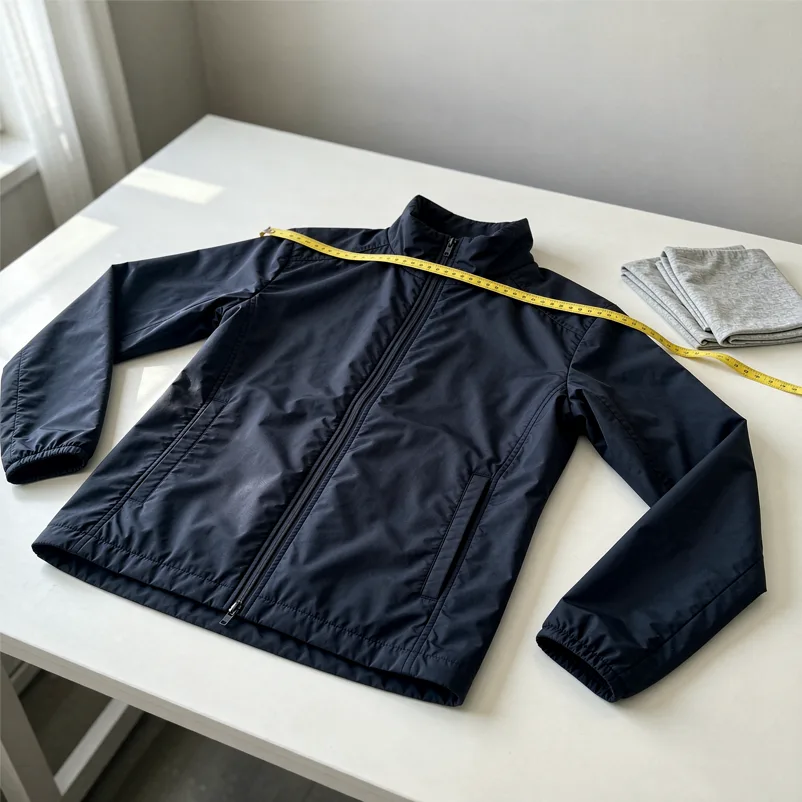
A sample provides practical evidence of how well a supplier translates requirements into a physical garment.
Check the following:
- Fabric: composition, weight, texture, and color
- Fit: measurements, proportions, and comfort
- Construction: seams, stitching, pockets, and closures
- Trims: zippers, buttons, and other components
- Branding: logo placement, labels, and hangtags
- Finishing: appearance, workmanship, and packaging
For example, if a fleece jacket sample has the correct appearance but the pocket placement differs from the reference, record the required correction and request approval of the revised sample.
Before bulk production, confirm the final sample and written specifications. This creates a shared reference for production and future repeat orders.
4. Compare MOQ, Pricing, and Production Terms
There is no universal MOQ for China ODM clothing. Minimums depend on the garment, fabric availability, customization, colors, and supplier requirements.
When requesting a quotation, confirm:
| Item | What to clarify |
|---|---|
| MOQ | Per style, color, or fabric |
| Development | Pattern and sample charges |
| Materials | Fabric specifications and sourcing |
| Customization | Logos, labels, trims, and packaging |
| Lead time | Sampling and bulk production separately |
| Quality control | Inspection stages and acceptance criteria |
Compare quotations based on the same specifications. A lower unit price may exclude sampling, custom trims, packaging, or other requirements included in another offer.
Ask suppliers to explain exclusions and confirm important terms in writing before placing an order.
5. Check Quality Control and Communication
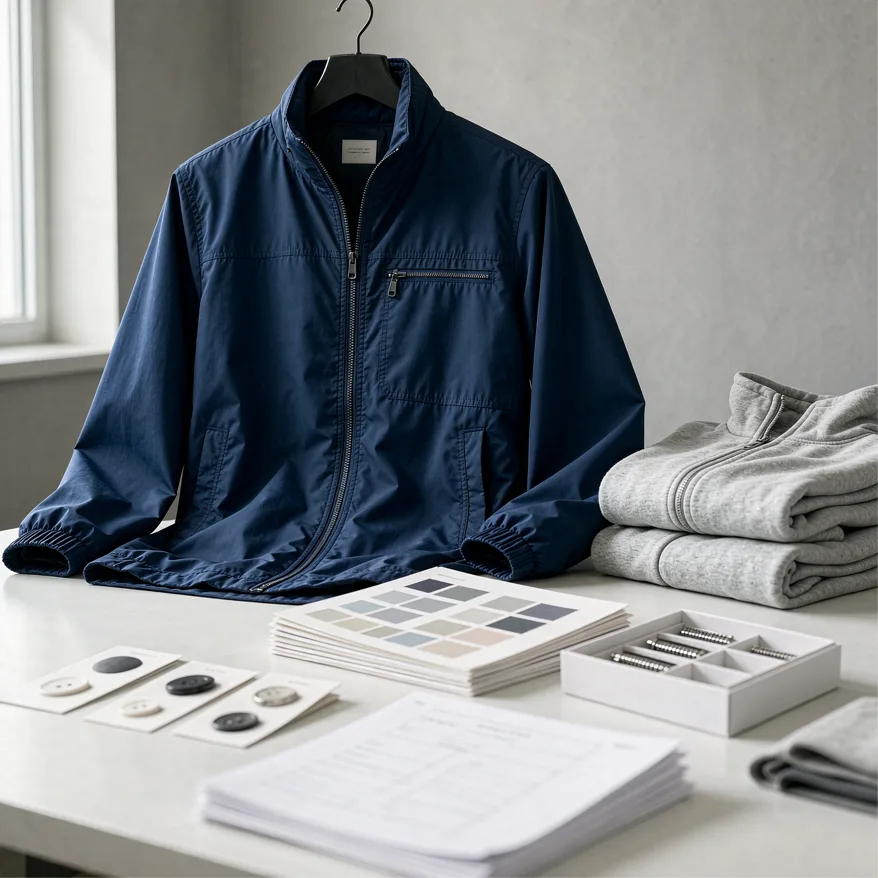
ODM experience matters only if the factory can deliver the approved product consistently.
Before choosing a supplier, ask:
- How are materials checked before cutting?
- What quality checks happen during production?
- How are measurement and workmanship issues recorded?
- How are changes approved after sampling?
- Who communicates production delays or quality problems?
- How are specifications retained for repeat orders?
Be cautious if a supplier cannot explain its inspection process, gives inconsistent answers, or pressures you to skip sample approval.
6. What Should You Send in Your First ODM Inquiry?
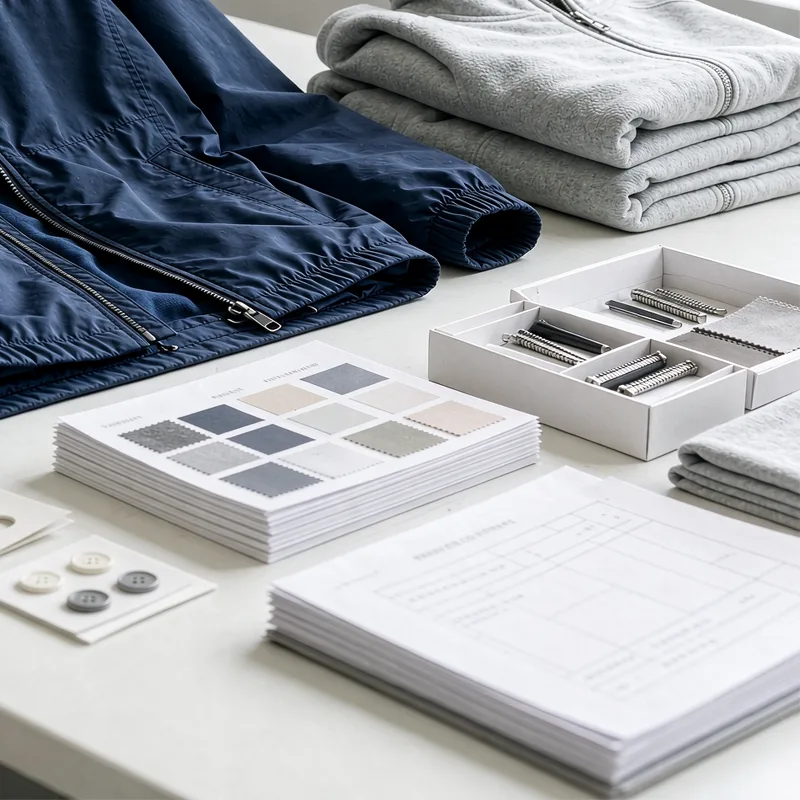
A clear product brief helps a manufacturer assess feasibility and prepare a more useful quotation.
Include as many of these details as possible:
- Product category and reference images
- Sketches or an existing garment sample
- Fabric preferences and functional requirements
- Colors, size range, and branding needs
- Estimated quantity by style and color
- Target price and delivery date
You do not need every detail finalized before starting a discussion. Clearly separate confirmed requirements from areas where you need the factory’s recommendations.
For a broader supplier-selection framework, read this guide to choosing a China ODM clothing factory.
If you are exploring apparel manufacturing options, you can also visit KALAIBEN’s website to learn more about its manufacturing focus.
Final Thoughts
Choosing experienced ODM clothing in China requires more than comparing factory profiles and prices. Verify relevant product experience, evaluate technical feedback, approve samples carefully, and confirm how quality and production changes are managed.
A well-matched ODM partner should help you make informed development decisions and turn an initial product idea into a clearly specified, production-ready garment.











