



Long Term OEM Clothing Partner: How to Choose the Right Factory
Date: 2026-10-16 Categories: NEWS Views: 133
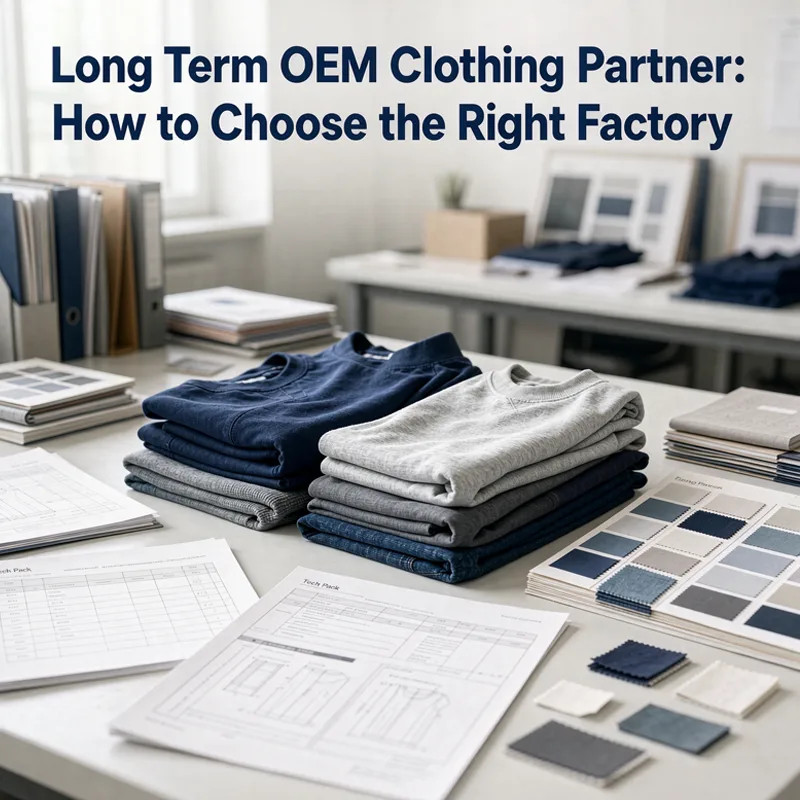
Looking for a long term OEM clothing partner? Learn how to evaluate factory experience, quality consistency, communication, production control, and repeat-order capability.
A long term OEM clothing partner should do more than complete one successful order. The right partner should consistently meet your specifications, maintain quality across repeat orders, communicate production risks early, and support product development as your brand grows.
The best way to evaluate a potential partner is not to judge the factory by its website alone. Start with samples and a controlled first order, then measure quality, communication, delivery, and consistency over time.
1. What Makes a Long Term OEM Clothing Partner?
Long-term manufacturing depends on repeatability.
A factory may produce an excellent first sample but still struggle with repeat production. A suitable long-term partner should have systems that keep the following consistent:
- Fabric specifications
- Garment measurements
- Construction details
- Trims and accessories
- Workmanship
- Packaging requirements
- Production records
The goal is simple: your second and third orders should not feel like starting from zero.
2. Why Brands Benefit From Long-Term OEM Partnerships
Changing factories for every collection can create additional development work.
A stable manufacturing relationship can help brands build:
Faster Product Development
Once a factory understands your preferred fits, fabrics, trims, and construction standards, future development can become more efficient.
More Consistent Quality
Previous samples and production records provide useful references for repeat orders.
Smoother Reorders
Established specifications reduce the need to explain the same product requirements repeatedly.
Better Production Planning
A factory familiar with your seasonal calendar can plan materials and capacity earlier.
However, these benefits only appear when the manufacturer has good documentation and production discipline.
3. How to Test a Clothing Factory Before a Long-Term Commitment
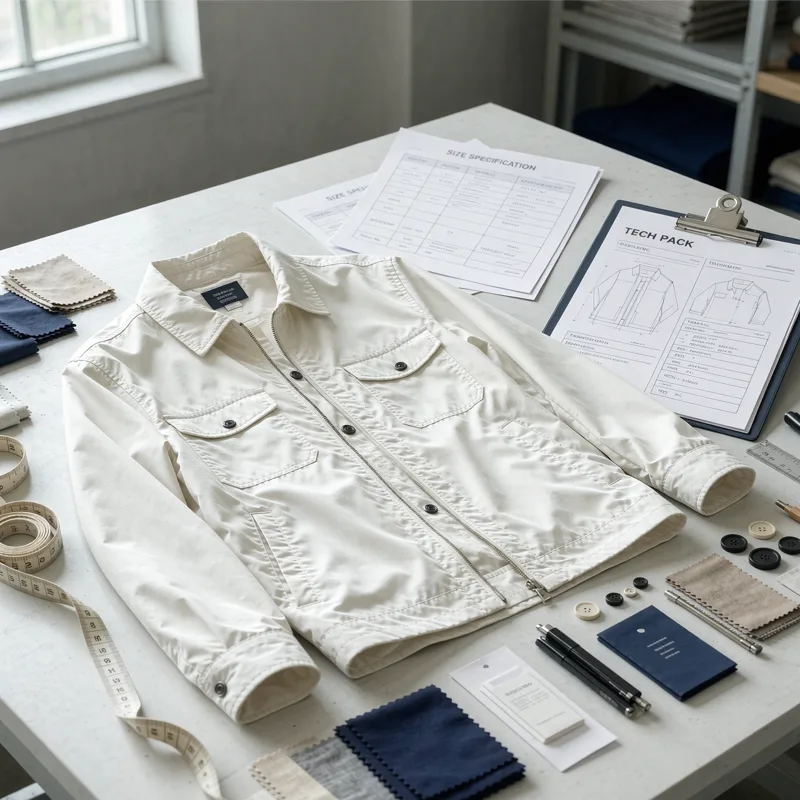
Do not commit to a long-term relationship after one conversation.
Use a staged evaluation process.
Stage 1: Review the Product
Send your tech pack, reference garment, or product concept.
Evaluate whether the manufacturer asks useful questions about:
- Fabric
- Measurements
- Construction
- Trims
- Target quantity
- Delivery requirements
Good questions often reveal more than a factory's sales presentation.
Stage 2: Order a Sample
Check the physical sample against your specifications.
Focus on:
- Fit
- Fabric
- Stitching
- Measurements
- Details
- Finishing
Record your feedback clearly and see how efficiently the factory handles revisions.
Stage 3: Start With a Controlled Production Order
If the sample meets expectations, use the first bulk order to evaluate consistency.
Track:
- Delivery performance
- Quality defects
- Communication
- Packaging
- Quantity accuracy
- Response to problems
This provides stronger evidence than promises about “long-term cooperation.”
4. Check Whether the Factory Can Maintain Quality Over Time
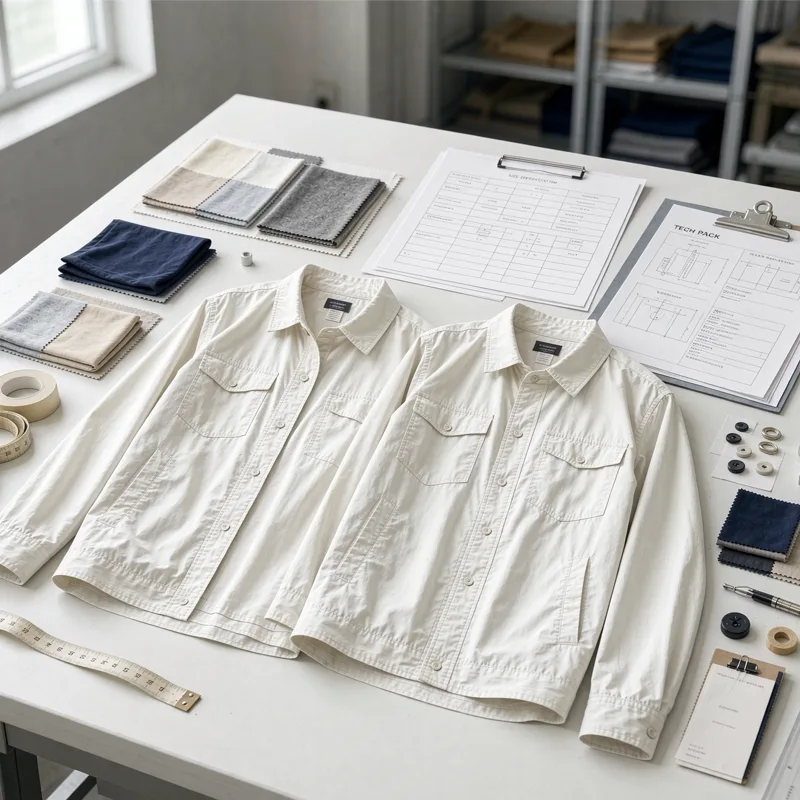
Quality consistency is one of the most important factors in a long-term OEM relationship.
Ask how the factory manages repeat production.
Keep Approved Specifications
The manufacturer should retain the final tech pack, approved sample, fabric details, measurements, and other important production information.
Control Material Changes
If a fabric or trim becomes unavailable, the factory should communicate the change before using an alternative.
Never assume a replacement material is equivalent simply because it looks similar.
Track Production Standards
Important standards should be measurable.
For example:
- Measurement tolerances
- Fabric weight
- Color references
- Stitching requirements
- Label placement
- Packaging specifications
This makes quality easier to reproduce across multiple orders.
5. Evaluate Communication Before You Scale Orders
Communication problems become more expensive as order volume increases.
A potential partner should clearly explain:
- What information is missing
- When samples will be ready
- When materials need approval
- When bulk production can start
- What risks may affect delivery
- How production changes will be handled
Pay attention to how the factory communicates bad news.
A manufacturer that reports a fabric delay early gives you time to make a decision. A manufacturer that stays silent until the delivery date creates a much larger problem.
6. Compare OEM Partners Using the Same Criteria
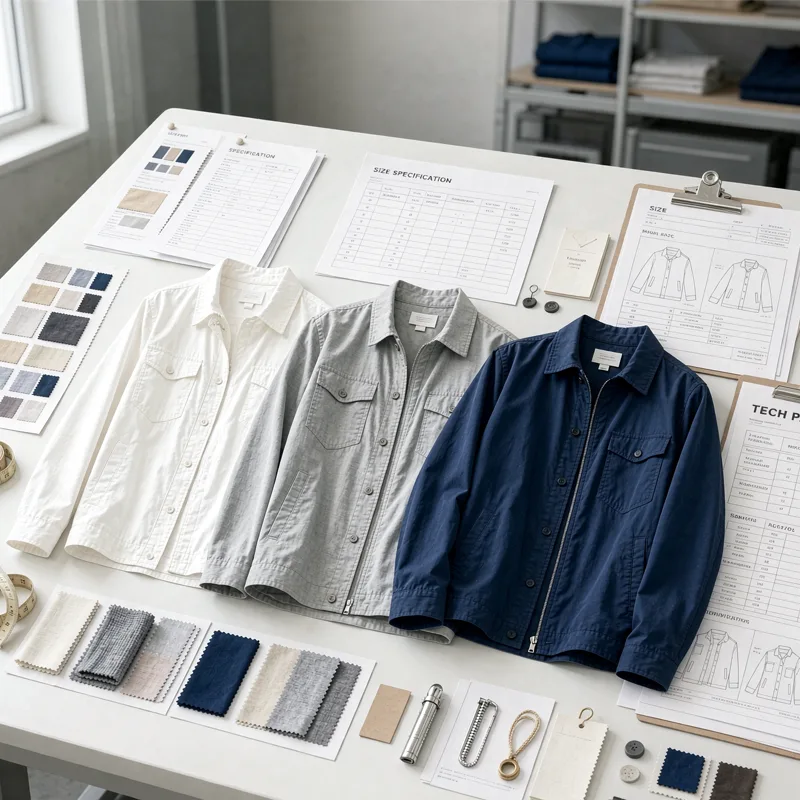
When evaluating several factories, use a simple scorecard.
| Factor | What to Evaluate |
|---|---|
| Product experience | Similar garments and materials |
| Sample quality | Accuracy against specifications |
| Communication | Speed, clarity, and problem solving |
| Quality control | In-process and final inspections |
| Production | Capacity and lead-time management |
| Documentation | Tech packs, samples, and change records |
| Reorders | Ability to reproduce approved standards |
| Scalability | Ability to support future volumes |
This prevents a low initial price from becoming the only deciding factor.
7. What Should You Discuss With a Potential OEM Partner?
Before starting production, clarify the commercial and technical details.
Discuss:
- MOQ per style and color
- Sample charges
- Fabric sourcing
- Production lead time
- Quality requirements
- Payment terms
- Packaging
- Shipping arrangements
- Reorder process
For example, if your brand expects to reorder the same jacket next season, ask how the factory will maintain the same fabric, measurements, trims, and construction standards.
A long-term relationship works best when expectations are clear from the beginning.
8. When Should You Replace an OEM Clothing Supplier?
Long-term cooperation does not mean staying with a supplier regardless of performance.
Consider changing partners when problems become recurring rather than occasional.
Warning signs include:
- Repeated quality deviations
- Unexplained material substitutions
- Frequent delivery delays
- Poor documentation
- Slow response to production problems
- Large differences between samples and bulk orders
- Repeated pricing changes without clear explanations
One production problem can happen in any supply chain. The more important question is whether the manufacturer identifies the cause and prevents the same problem from happening again.
9. How to Build a Better Long-Term OEM Relationship
The responsibility is not only on the factory.
Brands can also improve the relationship by:
- Providing complete product information
- Giving structured sample feedback
- Approving changes promptly
- Sharing production forecasts when possible
- Avoiding last-minute specification changes
- Keeping commercial and technical requirements documented
The strongest partnerships are built around predictable processes rather than informal promises.
For brands exploring custom apparel production, visit KALAIBEN's website to learn more about its apparel manufacturing capabilities.
Final Thoughts
Choosing a long term OEM clothing partner should be treated as a process, not a one-time supplier search.
Start with relevant product experience, test the factory through sampling, evaluate the first production order, and measure how well the manufacturer maintains quality and communication over time.
A reliable long-term partner should make repeat production more predictable, not more complicated.











