



Full Package Apparel Manufacturer: How to Choose the Right Production Partner
Date: 2026-10-14 Categories: NEWS Views: 289
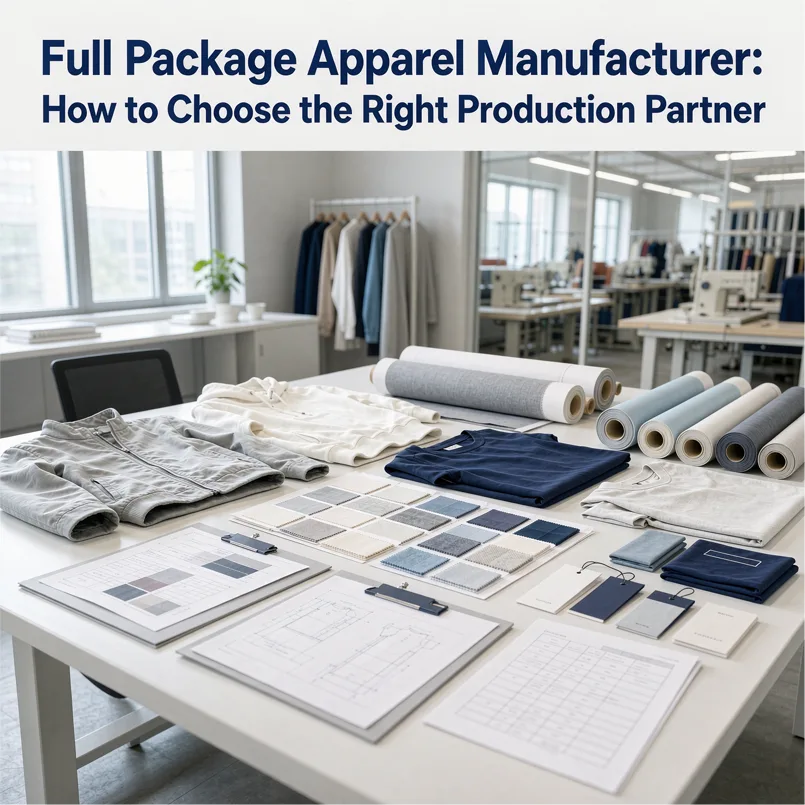
Full Package Apparel Manufacturer: Complete Guide for Brands
Learn how a full package apparel manufacturer helps clothing brands manage design, sourcing, sampling, production, quality control, and delivery with one partner.
A full package apparel manufacturer manages multiple stages of clothing production under one manufacturing partnership, from material sourcing and product development to sampling, bulk manufacturing, quality control, and final packaging.
For brands, the biggest advantage is reducing the complexity of managing different suppliers. Instead of coordinating separate fabric suppliers, sample rooms, factories, and packaging companies, one partner manages the complete production workflow.
However, not every manufacturer offering “full package” services provides the same level of support. Brands should understand what is included and how to evaluate a reliable production partner.
1. What Is a Full Package Apparel Manufacturer?
A full package apparel manufacturer provides end-to-end clothing production support.
Unlike a basic cut-and-sew factory that mainly focuses on garment assembly, a full package partner can support multiple production stages.
Typical services include:
- Product development
- Fabric sourcing
- Trim sourcing
- Pattern making
- Sample development
- Garment production
- Printing and embroidery
- Quality inspection
- Labeling
- Packaging
- Shipment preparation
The exact service range depends on the manufacturer's capabilities.
A strong full package partner helps brands move from an initial product idea or tech pack to a finished garment ready for market.
2. What Services Should a Full Package Apparel Manufacturer Include?
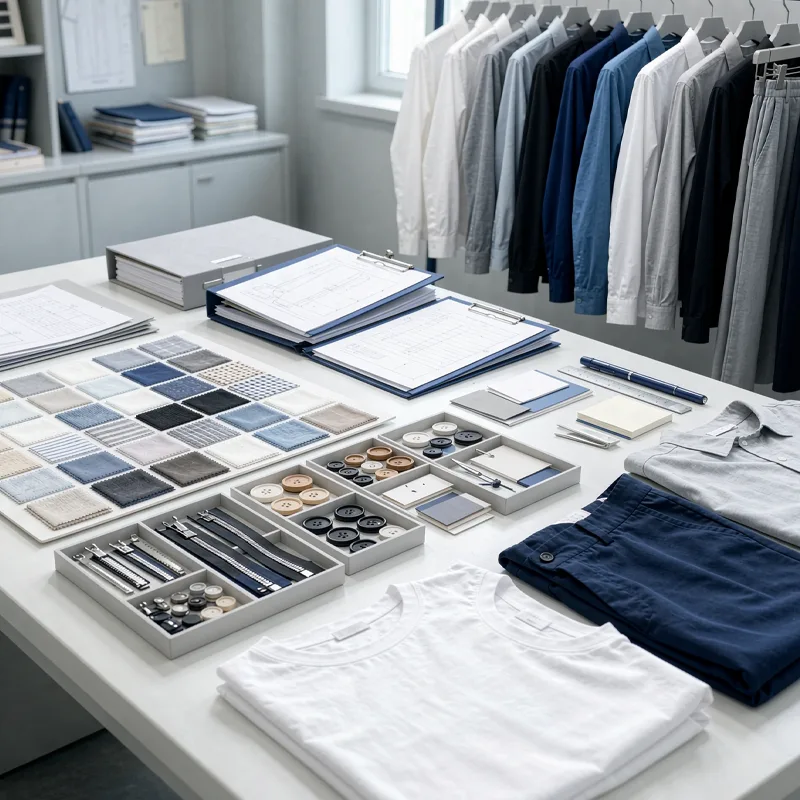
Before choosing a supplier, understand what “full package” actually covers.
2.1 Product Development
The process usually starts with product requirements.
A manufacturer may help review:
- Tech packs
- Reference samples
- Product sketches
- Measurement charts
- Fabric requirements
- Construction details
Experienced manufacturers can identify potential production issues before sampling begins.
For example, a jacket design may require adjustments to pocket construction, fabric weight, or stitching methods to improve production feasibility.
2.2 Fabric and Material Sourcing
Fabric selection directly affects garment quality and production cost.
A full package apparel manufacturer should help evaluate:
- Fabric composition
- GSM
- Texture and hand feel
- Performance requirements
- Color availability
- MOQ requirements
The right fabric choice impacts:
- Fit
- Durability
- Comfort
- Washing performance
- Final pricing
2.3 Sampling and Product Approval
Samples are a critical stage before bulk production.
A professional process usually includes:
- Initial sample
- Brand feedback
- Product adjustment
- Revised sample
- Final approval
Before approving production, brands should check:
- Measurements
- Fabric performance
- Construction details
- Logo placement
- Labels and trims
- Overall finishing
The approved sample becomes the production reference.
2.4 Bulk Manufacturing
After sample approval, production begins.
Manufacturing may include:
- Fabric cutting
- Sewing
- Assembly
- Printing or embroidery
- Finishing
- Packing
During production, quality control should monitor key points instead of relying only on final inspection.
3. Full Package Manufacturer vs Traditional Clothing Factory
Not every clothing factory provides the same service level.
| Full Package Apparel Manufacturer | Traditional Clothing Factory | |
|---|---|---|
| Product development | Usually supported | May be limited |
| Fabric sourcing | Often included | May require buyer supply |
| Sampling | Managed internally | Depends on factory |
| Production | Included | Included |
| Branding | Labels, trims, packaging | May be limited |
| Supplier coordination | Managed by one partner | Buyer manages suppliers |
For brands without an established supply chain team, a full package manufacturer can simplify product development and production management.
4. Who Should Work With a Full Package Apparel Manufacturer?
A full package solution is especially useful for:
New Clothing Brands
New brands often need support with:
- Material selection
- First samples
- Production planning
- Packaging requirements
A full package partner reduces the need to coordinate multiple suppliers.
Growing Apparel Companies
Established brands may use full package manufacturing when expanding product categories or launching new collections.
Brands Developing Custom Products
If your garments require:
- Custom fabrics
- Unique construction
- Private labels
- Special trims
- Custom packaging
a full package manufacturer can provide better coordination.
5. How to Evaluate a Full Package Apparel Manufacturer?
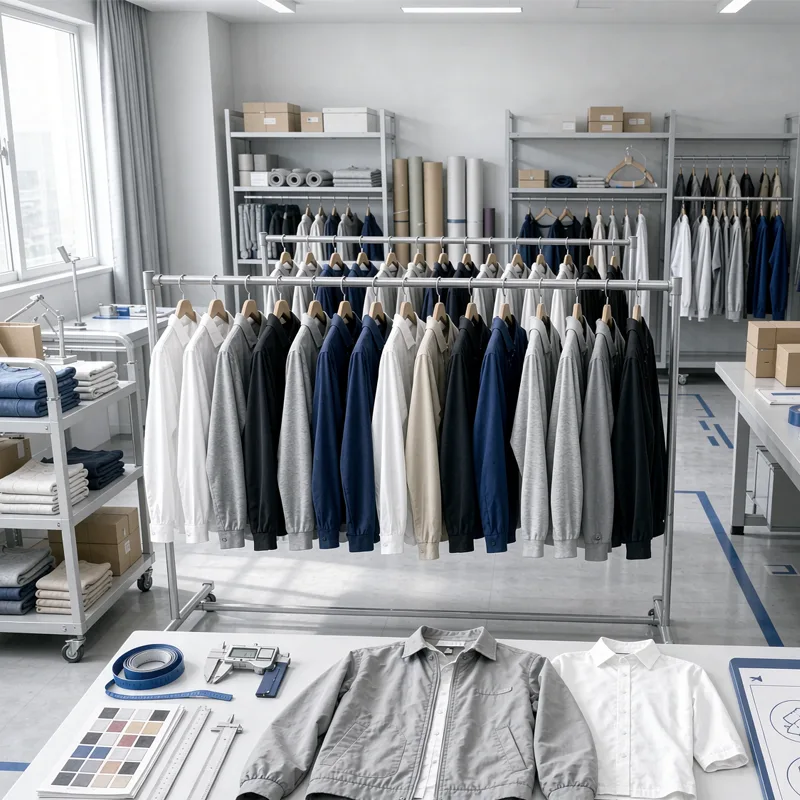
Choosing the right partner requires more than checking a service list.
5.1 Check Relevant Product Experience
A manufacturer should have experience with products similar to yours.
For example:
- Activewear requires knowledge of stretch fabrics and performance materials.
- Outerwear requires experience with construction, insulation, and functional details.
- Fleece garments require knowledge of fabric weight and finishing.
Relevant experience reduces development problems.
5.2 Review Sample Quality
Ask how the manufacturer handles:
- Sample revisions
- Fit corrections
- Material changes
- Production approval
A good supplier should have a clear sample approval process before bulk manufacturing.
5.3 Understand Quality Control
Ask:
- When are inspections performed?
- How are defects recorded?
- How are measurements checked?
- Who approves production changes?
Quality should be controlled throughout production, not only after garments are finished.
5.4 Evaluate Communication
Production involves many decisions.
A reliable partner should provide clear communication about:
- Development timelines
- Material availability
- Production progress
- Potential problems
- Required approvals
Strong communication helps prevent costly misunderstandings.
6. What Information Should You Prepare Before Contacting a Manufacturer?
A detailed inquiry helps manufacturers provide more accurate feedback.
Prepare:
- Product category
- Reference images
- Tech pack (if available)
- Fabric requirements
- Size range
- Colors
- Quantity
- Logo and label requirements
- Packaging needs
- Target delivery date
If some details are not finalized, explain what is confirmed and what needs professional advice.
For brands looking for a complete apparel manufacturing solution, you can learn more about KALAIBEN's apparel manufacturing capabilities.
7. How Much Does Full Package Apparel Manufacturing Cost?
There is no fixed price for full package apparel production.
The final cost depends on:
- Garment type
- Fabric selection
- Product complexity
- Customization level
- Quantity
- Branding requirements
- Packaging
- Shipping terms
For example, a basic custom T-shirt and a technical outdoor jacket require very different development processes and production resources.
When comparing quotations, check whether the price includes:
- Fabric sourcing
- Sampling
- Labels
- Packaging
- Quality inspection
- Additional production services
A lower quotation may not always represent a lower total production cost.
8. Common Mistakes When Choosing a Full Package Manufacturer
Choosing Only Based on Price
The cheapest supplier may not include important services or quality controls.
Not Confirming Responsibilities
Clarify who manages:
- Fabric sourcing
- Sample revisions
- Quality checks
- Packaging
- Shipping preparation
Skipping Sample Approval
Bulk production should always follow an approved sample.
Ignoring Future Orders
A good partner should be able to reproduce the same product quality for repeat orders.
9. How Full Package Manufacturing Helps Brands Scale
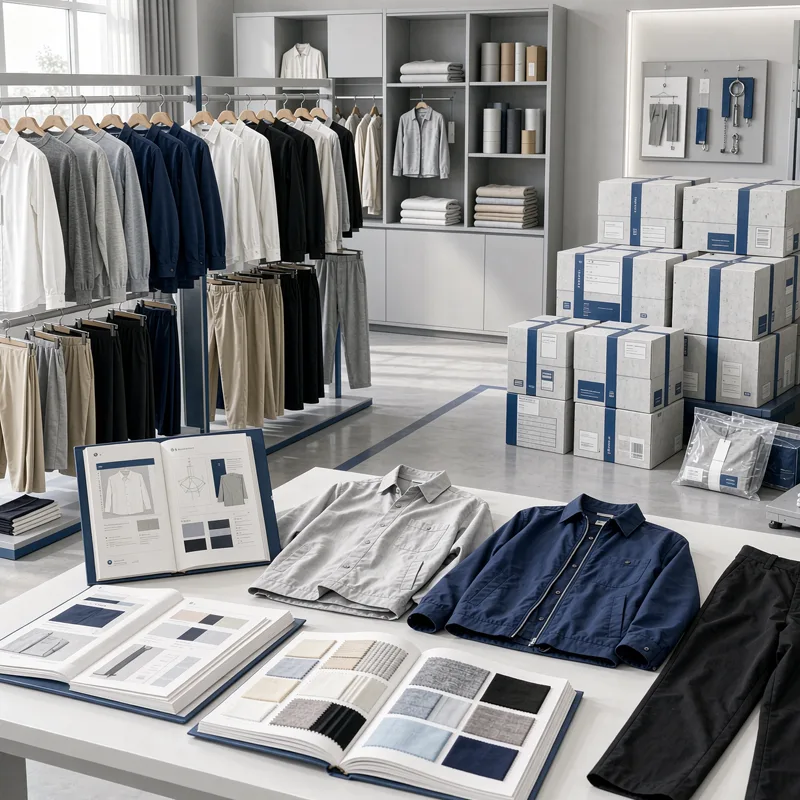
A full package apparel manufacturer is not only a production supplier.
The right partner helps brands:
- Reduce supplier coordination
- Improve product consistency
- Shorten development communication
- Control production risks
- Build repeatable manufacturing processes
For brands planning long-term growth, the relationship with a manufacturer becomes an important part of the supply chain.
Final Thoughts
A full package apparel manufacturer provides more than garment production. It connects product development, material sourcing, manufacturing, quality control, and finishing into one coordinated process.
Before choosing a partner, evaluate their actual capabilities, product experience, sample quality, communication process, and production control.
The right manufacturing partner helps transform a clothing concept into a reliable, market-ready product.











