



High Quality OEM Clothing China: How to Verify Factory Quality
Date: 2026-10-15 Categories: NEWS Views: 215
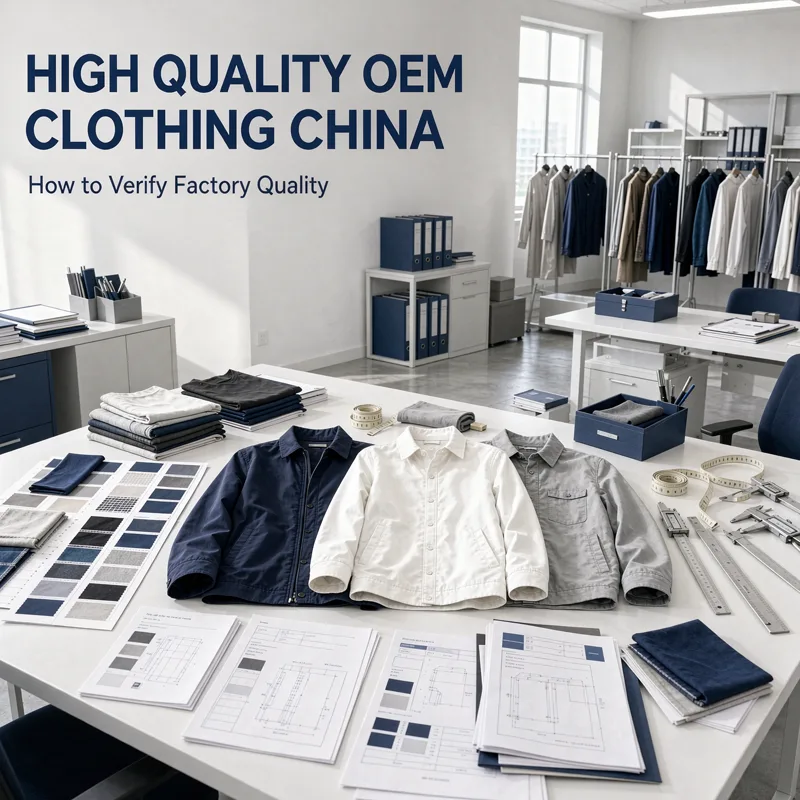
High Quality OEM Clothing China: A Buyer’s Guide
Looking for high quality OEM clothing in China? Learn how to evaluate fabric, samples, quality control, pricing, and production consistency before choosing a factory.
Finding high quality OEM clothing in China requires more than comparing factory prices or reviewing product photos. Buyers should verify fabric specifications, inspect samples, understand quality control procedures, and confirm that bulk production will follow approved standards.
The right OEM manufacturer should be able to turn your product specifications into consistent garments while communicating clearly about costs, production risks, and delivery requirements.
1. What Defines High Quality OEM Clothing?
High-quality clothing should meet the buyer’s agreed specifications, intended use, and workmanship requirements. A garment that looks good in a photo may still have problems with fit, stitching, fabric performance, or finishing.
Evaluate five key areas:
- Fabric: composition, weight, color, texture, and performance.
- Fit: measurements, proportions, and size consistency.
- Construction: stitching, seams, pockets, closures, and finishing.
- Branding: logo placement, labels, trims, and packaging.
- Consistency: whether bulk garments match the approved sample and specifications.
Quality should be defined before production starts, not judged only after the order arrives.
2. How to Check Fabric and Material Quality
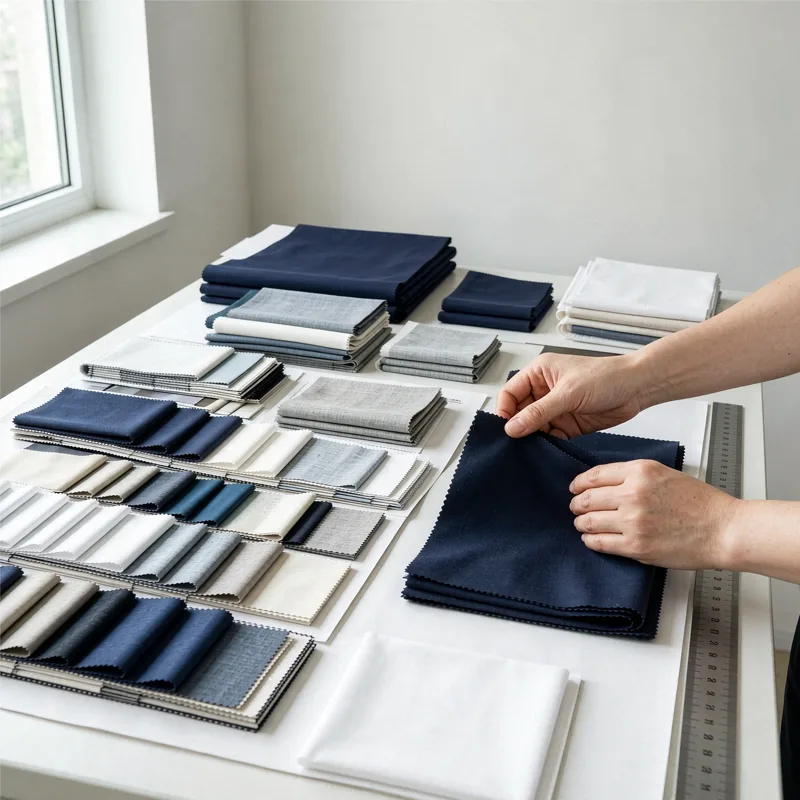
Fabric affects garment appearance, comfort, durability, and production cost.
Before approving materials, confirm:
- Fiber composition and fabric weight (GSM)
- Color standard and shade consistency
- Stretch and recovery, where relevant
- Shrinkage and colorfastness requirements
- Surface defects and hand feel
- Compatibility with the garment’s intended use
For example, a fleece jacket intended for outdoor use may need different fabric performance from a lightweight promotional sweatshirt. Ask the manufacturer to recommend materials based on the product’s purpose, not just its price.
Request fabric swatches or relevant test information when these factors matter to your product.
3. Approve Samples Before Bulk Production
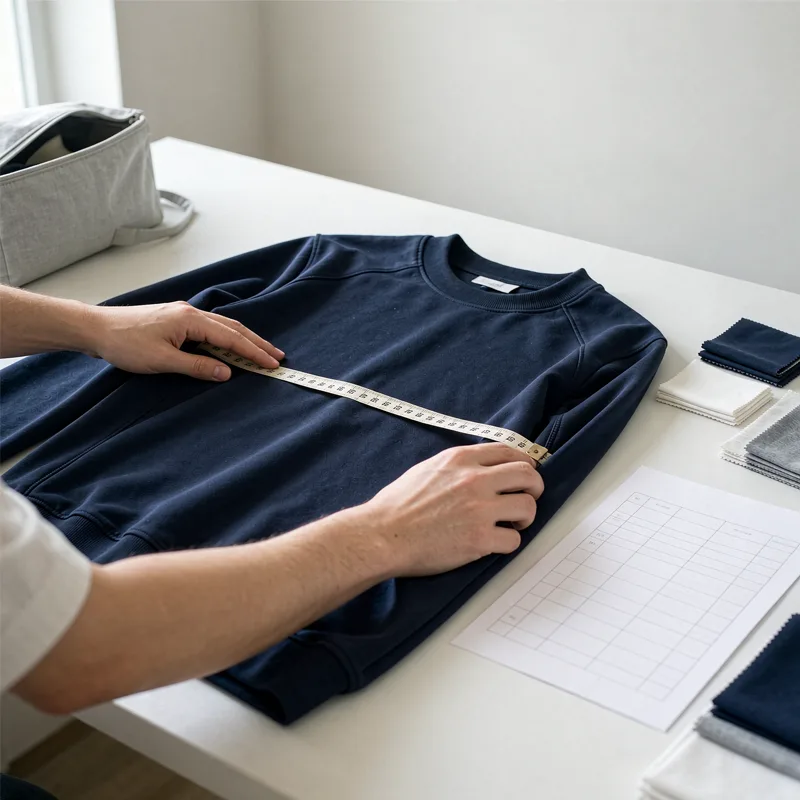
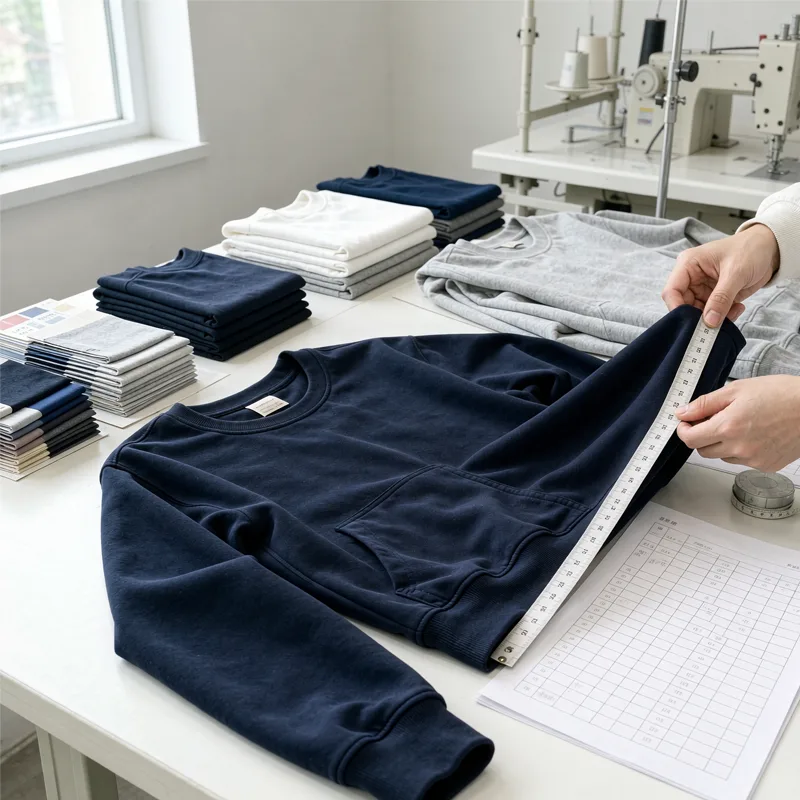
A pre-production sample is one of the most useful ways to evaluate an OEM manufacturer.
Check the sample against your tech pack or reference specifications.
Sample Inspection Checklist
- Body length, chest, shoulder, and sleeve measurements
- Fabric composition, weight, and color
- Stitching, seam alignment, and loose threads
- Zippers, buttons, pockets, and other trims
- Logo position, label details, and finishing
- Packaging and folding requirements
Example: A jacket sample may look correct but have a sleeve measurement that differs from the approved specification. Record the discrepancy, request a correction, and approve the revised sample before bulk production.
Keep a record of the final sample, measurement chart, material details, and approved changes. These documents help both parties follow the same quality standard.
4. Check Quality Control During Production
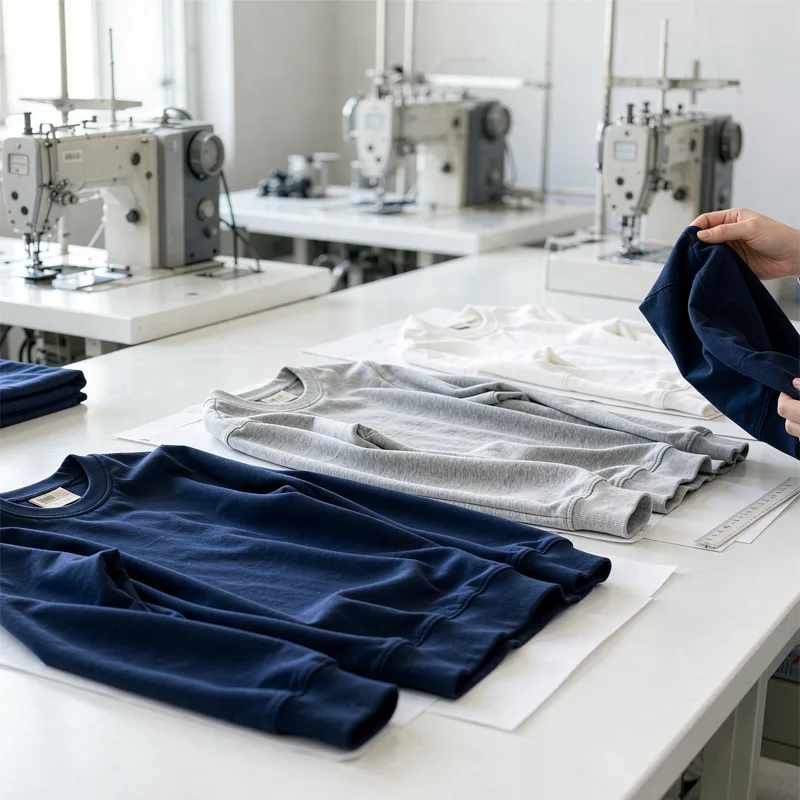
A final inspection alone may not identify every problem early enough to prevent rework.
Ask how the factory checks quality at different stages:
| Stage | What to check |
|---|---|
| Material inspection | Fabric defects, color, and specifications |
| Cutting | Panel accuracy and fabric alignment |
| Sewing | Stitching, seams, and construction |
| In-process inspection | Measurements and workmanship |
| Final inspection | Appearance, quantity, labeling, and packing |
Clarify how defects are recorded, who approves corrective action, and what happens if finished garments do not meet the agreed requirements.
If your buyer, retailer, or destination market requires a particular inspection standard or testing protocol, confirm it before production rather than assuming every factory follows the same rules.
5. How to Evaluate a High Quality OEM Clothing Manufacturer in China
Do not rely on claims such as “premium quality” or “strict quality control” without supporting evidence.
Ask potential suppliers:
- Can you show examples of similar products you have manufactured?
- How do you review tech packs and clarify specifications?
- What checks are performed before bulk production?
- How are sample revisions documented?
- How are defects handled and reported?
- Can you support the quality requirements of my target market?
Look for specific answers, relevant product experience, and a clear process. If factory visits are not practical, request a live video walkthrough or appropriate production evidence, while recognizing that photos and documents alone cannot guarantee future performance.
For a broader supplier-selection framework, see this guide to choosing an OEM clothing manufacturer in China.
6. Compare Price, MOQ, and Quality Together
A low unit price does not automatically mean better value. Two quotations may use different fabrics, trims, packaging, or inspection requirements.
Compare quotations using the same product specifications.
| Cost factor | What to confirm |
|---|---|
| Fabric | Composition, GSM, and color |
| Construction | Design details and finishing |
| Branding | Printing, embroidery, and labels |
| Sampling | Sample charges and revision terms |
| MOQ | Minimum quantity per style and color |
| Quality control | Inspection scope and acceptance criteria |
| Delivery | Production schedule and shipping terms |
MOQ and pricing vary by product, materials, customization, and supplier. Request a written quotation that separates included services from exclusions before placing an order.
7. Prepare a Clear OEM Inquiry
To help a manufacturer assess your requirements, provide:
- Product images, sketches, or a tech pack
- Fabric and construction requirements
- Size range and color options
- Logo, label, and packaging details
- Estimated order quantity
- Target delivery date and destination market
If you are still developing the product, identify which details are confirmed and where you need technical advice.
For more information about the company and its apparel manufacturing focus, visit KALAIBEN’s website.
Final Thoughts
Finding high quality OEM clothing in China starts with clear specifications and evidence-based supplier evaluation. Check materials, approve samples, understand production inspections, and document quality requirements before bulk manufacturing.
The goal is not simply to find a factory that promises quality. It is to establish a process that makes quality measurable, reviewable, and repeatable.











