



ODM Apparel Manufacturer China: From Product Idea to Bulk Production
Date: 2026-10-16 Categories: NEWS Views: 125
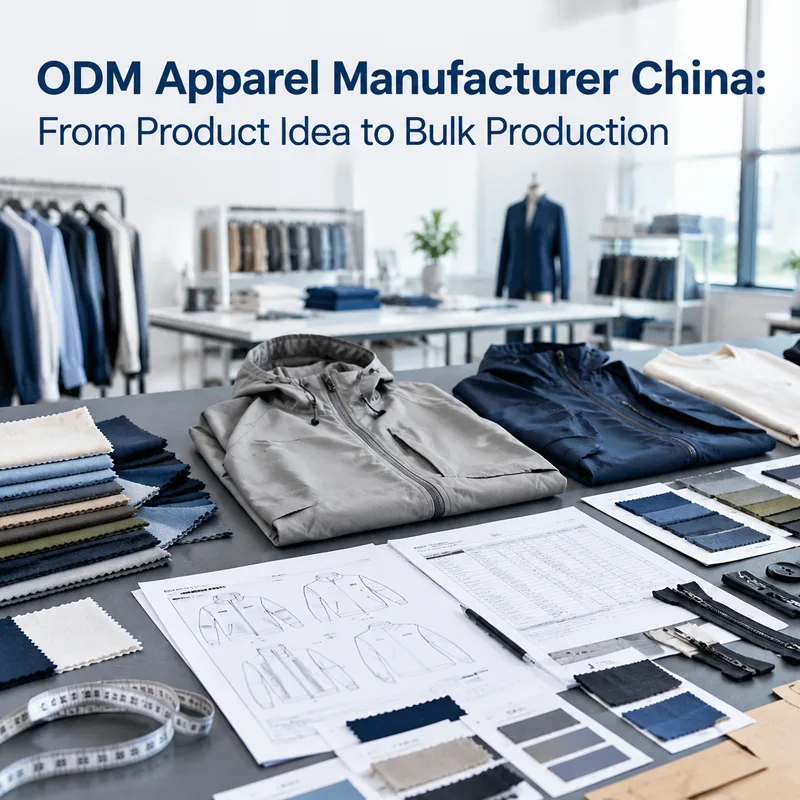
Looking for an ODM apparel manufacturer in China? Learn how ODM works, what services to expect, how samples are developed, and what to check before bulk production.
Choosing an ODM apparel manufacturer in China can help brands turn an early product idea, reference garment, or design concept into a production-ready product. A capable ODM partner can support material selection, pattern development, sampling, fit adjustments, costing, bulk manufacturing, and quality control.
The key is understanding what the manufacturer actually contributes during development and how the final product is approved before production.
1. What Is an ODM Apparel Manufacturer?
ODM stands for Original Design Manufacturing.
In apparel, ODM means the manufacturer participates in product development instead of simply manufacturing a fully specified design.
A project may start with:
- A product concept
- Design sketches
- Reference photos
- An existing garment
- A mood board
- A partial tech pack
The manufacturer then helps turn the initial idea into a manufacturable garment.
This is different from traditional OEM production, where the buyer normally provides more complete product specifications.
2. What Does an ODM Clothing Manufacturer in China Do?
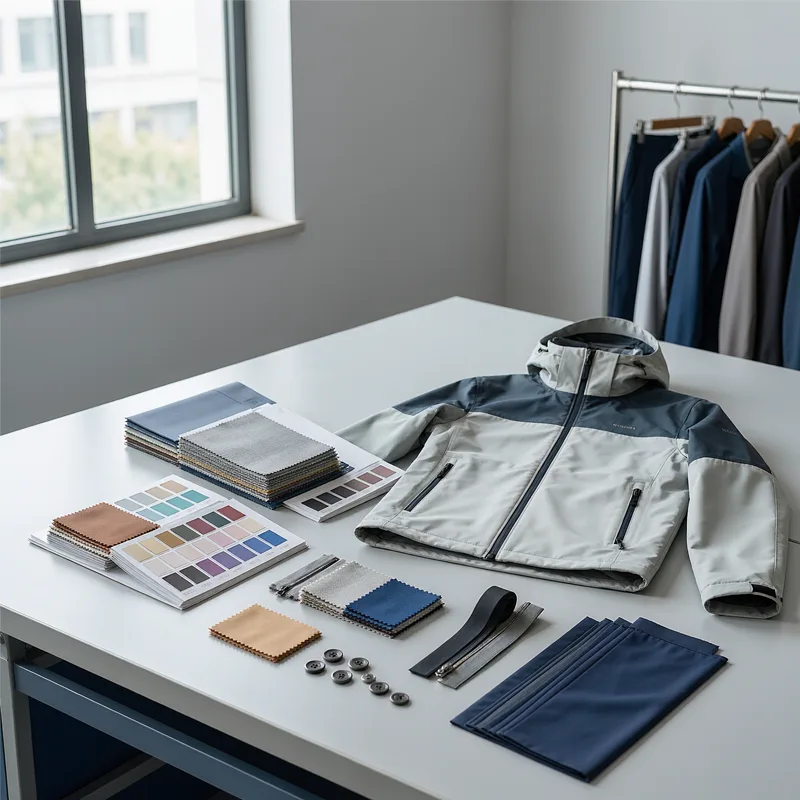
A professional ODM partner may support several stages.
2.1 Product Development
The manufacturer reviews the concept and identifies production requirements.
This can include:
- Garment construction
- Measurements
- Pattern development
- Fabric selection
- Trims
- Production feasibility
For example, a brand may have a reference image for a fleece jacket but no finalized pattern. The ODM manufacturer can help develop the pattern and recommend suitable fabric weight and construction.
2.2 Fabric and Trim Sourcing
Material selection is a major part of apparel development.
The manufacturer may help source:
- Cotton
- Polyester
- Fleece
- Nylon
- Blended fabrics
- Zippers
- Buttons
- Labels
- Other trims
The right material depends on the garment's intended use, target price, appearance, and performance requirements.
2.3 Sample Development
Sampling converts the development concept into a physical garment.
A typical process is:
- Product brief review
- Material confirmation
- Pattern development
- First sample
- Fit and construction review
- Revisions
- Final sample approval
Do not judge an ODM partner only by the first sample. Pay attention to how effectively the manufacturer handles revisions.
3. ODM vs OEM: Which One Should You Choose?
The main difference is the level of development input.
| Requirement | OEM | ODM |
|---|---|---|
| Starting point | Finished specifications | Idea, reference, or design direction |
| Buyer design control | Higher | Shared |
| Factory development role | Limited to defined requirements | More involved |
| Pattern development | Usually based on buyer specs | Often supported |
| Material advice | May be limited | Usually more involved |
| Best suited for | Established designs | New or developing products |
If your tech pack is complete, OEM may be the simpler route.
If you have a product concept but need technical support to develop it, ODM can provide more value.
4. How to Evaluate an ODM Apparel Manufacturer in China
A factory website cannot fully demonstrate development capability. Ask for evidence.
Check Relevant Product Experience
Look for experience with garments similar to yours.
A manufacturer experienced in basic T-shirts may not have the same expertise in technical jackets, performance wear, or complex outerwear.
Test Technical Communication
Send a reference image or preliminary product brief.
A capable manufacturer should ask about important details rather than immediately provide a generic price.
Review Sample Revisions
Pay attention to how the factory responds when you request changes.
Good development communication should clearly identify:
- What can be changed
- What may increase cost
- What may affect lead time
- What needs a new sample
5. How to Control Quality Before Bulk Production
The approved sample should become the reference for bulk manufacturing.
Confirm:
- Fabric composition and GSM
- Color standard
- Measurements
- Construction details
- Stitching
- Trims
- Logo placement
- Labels
- Packaging
Keep the final specifications and sample approval records together.
This is especially important for repeat orders. Without clear records, the same style may gradually change between production runs.
6. How Much Does ODM Clothing Manufacturing Cost?
There is no standard ODM apparel price.
Cost depends on:
- Garment type
- Fabric
- Construction complexity
- Quantity
- Customization
- Branding
- Packaging
- Sampling requirements
When comparing quotations, make sure suppliers are quoting the same specifications.
A lower price may result from differences in fabric, trims, packaging, or included development services.
Also confirm MOQ separately for each style and color. Current Chinese manufacturers advertise very different MOQ levels depending on product type and production model, so buyers should not assume one universal MOQ.
7. What Should You Send to an ODM Manufacturer?
You do not need a complete tech pack to start an ODM discussion.
Send whatever information you already have:
- Product images
- Sketches
- Reference garments
- Target fabric
- Size requirements
- Colors
- Estimated quantity
- Logo requirements
- Target market
- Expected delivery date
The manufacturer can then identify missing information and advise on development requirements.
For a deeper look at selecting a China ODM supplier, see this China apparel ODM supplier guide.
8. When Is an ODM Manufacturer the Better Choice?
ODM is particularly useful when a brand:
- Has an idea but no complete tech pack
- Wants to develop a new garment category
- Needs help selecting materials
- Wants technical input during sampling
- Needs to adapt an existing product concept
- Wants one partner to manage development and production
For brands that already have complete specifications and mainly need manufacturing capacity, OEM may be more appropriate.
9. From ODM Development to Bulk Production
A well-managed project should have a clear handover between development and manufacturing:
Concept → Material Selection → Pattern → Sample → Revision → Approval → Bulk Production → QC → Packing
Each stage should have a clear approval point.
This reduces the risk of starting bulk production before important product details have been finalized.
For brands exploring apparel development and manufacturing services, visit KALAIBEN’s website.
Final Thoughts
The right ODM apparel manufacturer in China should contribute more than production capacity.
Look for a partner that can understand your product concept, provide practical development input, source suitable materials, manage sampling, and reproduce the approved product consistently in bulk.
The strongest ODM relationships are built around clear specifications, controlled sampling, technical communication, and measurable quality standards.











